What Makes an NGO Trusted?
A trusted NGO in Pakistan is defined by its reliability, transparency, and consistent support to persons with disabilities (PWDs). Trust is earned through delivering impactful programs, offering meaningful opportunities, and responding to real challenges faced by disabled communities.
For PWDs, trust is crucial. Individuals and families rely on organizations that understand their unique needs, provide safe environments, and uphold commitments. A trusted NGO in Pakistan ensures that every initiative, whether educational, vocational, or social, prioritizes dignity, independence, and inclusion.
Trust also stems from accountability. Reporting outcomes, maintaining ethical standards, and demonstrating measurable impact ensures that communities feel confident engaging with the organization.
Skills Training for Disabled
Skills training for disabled individuals is essential for empowerment, independence, and self-sufficiency. These programs equip participants with practical abilities that directly improve employability and personal confidence.
A trusted NGO in Pakistan offers structured skills training for disabled persons to address gaps in education, experience, and workplace readiness. Training programs are designed to meet the diverse needs of participants, focusing on both foundational and advanced skills.
Key aspects of skills training for disabled include:
- Hands-on vocational practice
- Development of communication and social skills
- Guidance on workplace etiquette and expectations
- Specialized training tailored to individual abilities
Through these programs, PWDs gain skills that not only prepare them for jobs but also increase self-reliance and social participation.
Vocational Programs
Vocational programs are a cornerstone of skills training for disabled individuals. They provide industry-relevant skills, ensuring that participants are job-ready and confident in their capabilities.
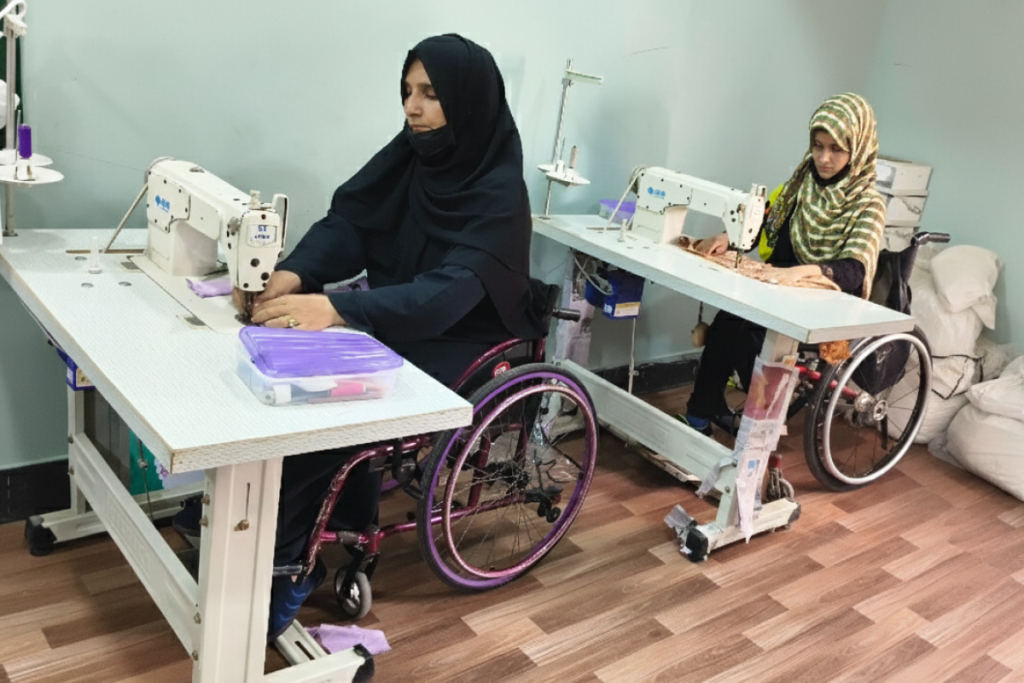
A trusted NGO in Pakistan develops vocational programs that are flexible, practical, and inclusive. Courses range from digital literacy and office administration to handicrafts, tailoring, and technical trades, allowing participants to choose paths that align with their interests and abilities.
Benefits of Vocational Programs:
- Improved employability in competitive job markets
- Opportunities to pursue entrepreneurship or freelance work
- Enhanced self-confidence and independence
- Development of discipline and routine through structured training
Vocational programs also promote peer interaction and community engagement, reinforcing social inclusion for participants who may have experienced isolation.
Employment Readiness
Employment readiness programs complement skills training for disabled by bridging the gap between learning and actual employment opportunities.
A trusted NGO in Pakistan prepares PWDs for the workforce through workshops on resume writing, interview preparation, professional behavior, and workplace communication. Participants also learn about their legal rights, accommodations they are entitled to, and how to advocate for themselves in professional settings.
Key components of employment readiness programs include:
- Mock interviews and role-playing exercises
- Job search strategies and networking guidance
- Understanding workplace accessibility standards
- Mentorship and career counseling
These initiatives ensure that participants are not only skilled but also confident and aware of their rights, which significantly enhances their chances of securing meaningful employment.
Benefits for PWD
The combined effect of skills training for disabled and vocational and employment readiness programs is transformative. Participants experience tangible improvements in independence, financial security, and social engagement.
Key Benefits Include:
- Enhanced employability: Participants gain in-demand skills valued by employers
- Increased confidence: Overcoming skill gaps boosts self-esteem
- Economic empowerment: Employment enables financial independence
- Social inclusion: Engagement in vocational programs fosters community participation
- Support network: Mentorship and peer interactions provide emotional support
A trusted NGO in Pakistan ensures that these benefits extend to families and communities as well, creating an environment that supports sustainable development and inclusive growth.
Real-Life Impact
The impact of skills training for disabled can be seen in real-life success stories:
- A young woman with mobility challenges completes a vocational course and secures employment in an administrative role
- A youth with hearing impairment gains digital skills, allowing them to work remotely and independently
- Families report improved confidence and self-sufficiency of PWDs participating in structured programs
Such transformations highlight the critical role of a trusted NGO in Pakistan, showing that well-designed skills training for disabled initiatives can truly change lives.
Creating Sustainable Training Programs
Sustainability in skills training for disabled requires continuous evaluation, adaptation, and community engagement. Programs must remain relevant to market needs, individual abilities, and evolving accessibility standards.
A trusted NGO in Pakistan ensures sustainability by:
- Updating vocational modules according to industry trends
- Providing ongoing mentorship and follow-up support
- Collecting feedback from participants and employers
- Building partnerships with businesses for employment pathways
This approach ensures that participants benefit not just during training but long after, fostering lasting impact in their personal and professional lives.
Inclusive Development Through Training
When skills training for disabled is implemented effectively, it contributes to broader inclusive development. PWDs equipped with vocational skills and employment readiness become active contributors to society, reducing dependency and challenging stereotypes.
A trusted NGO in Pakistan demonstrates leadership by integrating training programs with community awareness initiatives, advocacy campaigns, and partnerships with employers. This creates a holistic support system where skills training for disabled is recognized as a tool for empowerment, independence, and societal integration.
Start Your Journey Toward Empowerment
Individuals, families, and organizations can engage with skills training for disabled programs offered by a trusted NGO in Pakistan to take practical steps toward empowerment.
How to Begin:
- Enroll in vocational and skill development programs
- Attend workshops for employment readiness
- Connect with mentors and trainers for personalized guidance
- Explore internships and job placement opportunities
- Participate in community awareness activities to reinforce inclusion
By following these steps, participants gain the skills, confidence, and support needed to thrive both personally and professionally.
Conclusion
Skills training for disabled is more than just education; it is a pathway to independence, inclusion, and dignity. A trusted NGO in Pakistan ensures that PWDs receive practical, empowering programs that equip them for the workforce and everyday life.
Through dedicated vocational programs, structured employment readiness initiatives, and ongoing mentorship, individuals can overcome barriers and actively participate in society. These efforts build not only individual confidence but also stronger, more inclusive communities where every PWD has the opportunity to contribute meaningfully.
Investing in skills training for disabled is investing in a future where abilities are recognized, opportunities are accessible, and independence is a reality for all.