Personal Care Assistance Free Transport for Disabled

Personal Care Assistance & Free Transport for Disabled

Introduction For persons with disabilities, daily life can become challenging without the right support systems. Tasks that many people take for granted, such as getting dressed, bathing, traveling to work, or visiting a doctor, may require extra assistance. This is where personal care assistance becomes a lifeline. It helps individuals manage daily activities with dignity, safety, and confidence. Alongside personal support, mobility is another major concern. Many persons with disabilities struggle to travel due to inaccessible public transport or financial limitations. Free transport for disabled individuals helps remove this barrier and allows people to access healthcare, education, employment, and social activities. When personal care assistance and free transport for disabled individuals are available together, they significantly improve independence and quality of life. This article explains these services, their importance, and how they support persons with disabilities in leading fuller and more active lives. Understanding Personal Care Assistance Services Personal care assistance refers to support provided to persons with disabilities to help them manage everyday personal tasks. These services are designed to promote independence while ensuring comfort, privacy, and respect. Personal care assistance may include help with bathing, dressing, grooming, eating, and using the restroom. For individuals with mobility limitations, caregivers may assist with moving safely from bed to wheelchair or supporting posture during daily activities. In many cases, personal care assistance also includes support with medication reminders, basic health monitoring, and daily routines. This kind of assistance is especially important for individuals with physical disabilities, chronic illnesses, or age-related conditions. The goal of personal care assistance is not to create dependency but to support independence. With the right level of help, individuals can live at home, participate in community life, and make their own choices. Who Provides Personal Care Assistance Personal care assistance is often provided by trained caregivers, healthcare aides, or support workers. These professionals are trained to understand disability needs and provide assistance in a respectful and safe manner. In many communities, personal care assistance is offered through NGOs, disability support organizations, welfare programs, or government-funded initiatives. Some families also arrange personal care assistance privately, depending on resources and needs. A key part of quality personal care assistance is trust. Caregivers build relationships with individuals and their families, ensuring comfort and consistency. This emotional support is just as important as physical help. Importance of Free Transport for Disabled Individuals Mobility is essential for independence. Without reliable transportation, persons with disabilities may miss medical appointments, educational opportunities, or work. Free transport for disabled individuals helps remove this major barrier. Free transport for disabled individuals includes services such as accessible buses, vans, or community transport programs that provide safe and affordable travel. These services are designed to accommodate wheelchairs, mobility aids, and other special needs. Many persons with disabilities cannot use regular public transport due to physical barriers, lack of ramps, or overcrowding. Free transport programs ensure that individuals can travel safely and comfortably. By providing free transport for disabled individuals, communities promote equal access and participation. Types of Free Transport Programs Free transport for disabled individuals can take different forms depending on local resources and needs. Some programs provide door-to-door transport for medical visits, therapy sessions, or work. Other programs offer subsidized or free passes for accessible public transport. These passes allow individuals to travel independently without worrying about cost. Community-based transport services are also common. NGOs or local welfare groups operate vehicles that pick up and drop off persons with disabilities for specific purposes such as education, rehabilitation, or social events. In rural areas, free transport for disabled individuals is especially important, as distances are longer and public transport options are limited. How Personal Care Assistance and Transport Work Together Personal care assistance and free transport for disabled individuals are most effective when provided together. Personal care assistance ensures that individuals are physically prepared and supported for daily activities, while transport services ensure they can reach destinations safely. For example, a person may receive personal care assistance in the morning to get ready for the day. Free transport for disabled individuals then allows them to travel to work, school, or a healthcare facility. This combination reduces dependence on family members and improves self-confidence. Individuals feel more in control of their schedules and choices. Organizations that offer both services often see better outcomes, as barriers are addressed in a coordinated way. Benefits for Daily Life and Independence The impact of personal care assistance and free transport for disabled individuals can be life-changing. These services improve physical safety, emotional well-being, and social participation. With personal care assistance, individuals can maintain personal hygiene, health, and comfort. This reduces health risks and increases self-esteem. Free transport for disabled individuals opens doors to opportunities. People can attend appointments on time, pursue education, engage in employment, and maintain social connections. Families also benefit. When reliable support is available, caregivers experience less stress and can focus on emotional support rather than constant physical assistance. Overall, these services promote independence rather than isolation. How to Access Personal Care Assistance Accessing personal care assistance usually begins with an assessment of needs. NGOs, healthcare providers, or social welfare departments evaluate the level of support required. Many organizations require documentation related to disability status, medical condition, or income level. Once approved, a care plan is developed based on individual needs. Families and individuals are often involved in choosing caregivers and setting schedules. This ensures comfort and cultural sensitivity. Awareness is important, as many people are not aware that personal care assistance programs exist. Community outreach and information sharing play a key role. How to Access Free Transport for Disabled Individuals Free transport for disabled individuals is typically provided through NGOs, welfare associations, or government programs. Access may require registration and verification of disability. Some programs operate on fixed routes or schedules, while others offer flexible, on-demand services. Understanding the available options helps individuals plan their daily activities. Coordination between transport providers and care services improves efficiency. For example, transport schedules can align with therapy sessions or work hours. Advocacy

NGO Services Accessibility Assessments

NGO Services & Accessibility Assessments

Introduction Persons with disabilities often face challenges that go far beyond health or mobility. One of the most common and overlooked problems is inaccessible buildings. Offices, schools, hospitals, shopping areas, and public spaces are frequently designed without considering the needs of persons with disabilities. Stairs without ramps, narrow doorways, lack of elevators, and inaccessible washrooms can limit independence and participation. In this situation, the role of an NGO for disabled persons becomes extremely important. An NGO for disabled persons works to improve quality of life by addressing both social and physical barriers. One of their most impactful efforts is conducting a building accessibility assessment. These assessments help identify obstacles within buildings and recommend practical solutions to make spaces safe, usable, and inclusive for everyone. When NGOs combine advocacy with technical assessments, they help create environments where persons with disabilities can move freely and live with dignity. This article explores the role of NGOs for disabled persons, the importance of building accessibility assessment, and how these efforts contribute to inclusive communities. Understanding the Role of NGOs for Disabled Persons An NGO for disabled persons is an organization dedicated to supporting, empowering, and advocating for persons with disabilities. These organizations focus on long-term solutions rather than temporary assistance. Their goal is to promote independence, inclusion, and equal rights. NGOs for disabled persons provide a wide range of services. These may include healthcare support, rehabilitation, education, skills training, employment assistance, counseling, and legal awareness. Many NGOs also work closely with families to ensure a supportive environment for persons with disabilities. Beyond direct services, an NGO for disabled persons plays a strong advocacy role. They raise awareness about disability rights, challenge discrimination, and encourage inclusive policies. Accessibility is a major part of this advocacy, as physical barriers are often the first obstacle to participation. By focusing on both individual support and environmental change, NGOs help build inclusive societies where persons with disabilities can participate fully. Why Accessibility Matters for Persons with Disabilities Accessibility is not a luxury; it is a basic requirement for equal participation. Without accessible buildings, persons with disabilities may be excluded from education, employment, healthcare, and social life. Even simple tasks such as visiting an office or attending an event can become stressful or impossible. An NGO for disabled persons understands that true inclusion cannot exist without accessible infrastructure. When buildings are designed or modified to meet accessibility needs, persons with disabilities gain independence and confidence. Accessibility also benefits others. Elderly people, pregnant women, parents with strollers, and individuals with temporary injuries all benefit from accessible design. This makes accessibility a shared community benefit rather than a special arrangement. Importance of Building Accessibility Assessments Building accessibility assessment is essential because many buildings are constructed without considering diverse needs. Even newer buildings may fail to meet accessibility requirements due to lack of awareness or poor planning. An NGO for disabled persons uses accessibility assessments to highlight these gaps and promote inclusive design. These assessments help prevent discrimination and ensure that persons with disabilities can access services and opportunities. Accessibility assessments also support compliance with laws and regulations related to disability rights. Many countries have accessibility standards, but enforcement is often weak. NGOs help bridge this gap by providing guidance and monitoring. From a practical perspective, building accessibility assessment improves safety. Proper ramps, handrails, clear signage, and accessible exits reduce the risk of accidents and injuries. Guidelines and Standards for Accessibility Building accessibility assessments are usually based on national or international guidelines. An NGO for disabled persons may refer to local building codes, disability laws, and global best practices when conducting assessments. Common standards focus on ramp slopes, door widths, floor surfaces, accessible washrooms, tactile indicators, and visual signage. Emergency preparedness is also an important area, ensuring that persons with disabilities can evacuate safely during emergencies. While standards provide a framework, NGOs often emphasize user experience. They involve persons with disabilities in assessments to understand real-life challenges. This approach ensures that recommendations are practical and effective. By promoting standards-based assessments, NGOs encourage consistent and sustainable accessibility improvements. How NGOs Conduct Accessibility Assessments An NGO for disabled persons usually begins by engaging with building owners or institutions. This may include offices, schools, hospitals, public buildings, or commercial spaces. The assessment process often includes site visits, measurements, observations, and discussions with users. Accessibility experts may use checklists and tools to evaluate different areas of the building. After the assessment, the NGO prepares a report outlining barriers and recommended improvements. These recommendations may range from simple changes, such as installing handrails, to larger modifications like adding ramps or accessible washrooms. NGOs may also provide follow-up support, helping organizations implement changes and monitor progress. Examples of Successful NGO Initiatives Many NGOs for disabled persons have successfully improved accessibility through building accessibility assessment initiatives. For example, an NGO may work with a school to make classrooms, washrooms, and playgrounds accessible for students with disabilities. In another case, an NGO collaborates with a hospital to improve entrance access, patient navigation, and emergency exits. These changes make healthcare services more accessible and reduce stress for patients with disabilities. Some NGOs partner with local governments to assess public buildings and transport hubs. Their recommendations help shape inclusive urban planning and infrastructure development. These initiatives demonstrate that building accessibility assessment leads to real, visible change when supported by committed NGOs.  Challenges Faced by NGOs Despite their impact, NGOs for disabled persons face challenges in promoting building accessibility assessment. Limited funding, lack of technical expertise, and resistance from building owners can slow progress. Awareness is another challenge. Some stakeholders view accessibility as an extra cost rather than a necessary investment. NGOs work continuously to change this mindset through education and advocacy. Policy gaps and weak enforcement can also limit impact. NGOs often advocate for stronger laws and better implementation to ensure accessibility becomes standard practice. Conclusion An NGO for disabled persons plays a vital role in creating inclusive environments by addressing physical barriers and advocating for accessibility. Through building accessibility assessment, these organizations

Disability Livelihood Projects Welfare Associations

Disability Livelihood Projects & Welfare Associations

Introduction For many persons with disabilities, the biggest challenge is not the disability itself but the lack of income opportunities. Without stable work or skills, individuals often depend on family members or charity for survival. This dependency can affect confidence, dignity, and long-term well-being. Disability livelihood projects are designed to change this reality by creating income-generating opportunities that support independence and self-respect. Across many communities, a disabled people welfare association plays a vital role in designing and implementing these projects. These associations focus on empowering persons with disabilities through skills training, employment support, and small business opportunities. By combining guidance, resources, and long-term support, disability livelihood projects help individuals become financially independent and socially included. Need for Livelihood Projects for Persons with Disabilities Employment is a key factor in leading an independent and dignified life. However, many persons with disabilities face barriers such as limited education, lack of training, inaccessible workplaces, and social stigma. As a result, unemployment rates among persons with disabilities remain high. Disability livelihood projects address these challenges by focusing on ability rather than limitation. These projects provide skills that match individual strengths and local market needs. Instead of offering short-term financial aid, disability livelihood projects aim to create long-term income sources. A disabled people welfare association understands that financial independence improves overall quality of life. When individuals earn their own income, they gain confidence, decision-making power, and respect within their families and communities. Livelihood projects also reduce poverty and dependence, creating a more inclusive society. Role of Disabled People Welfare Associations A disabled people welfare association acts as a bridge between persons with disabilities and livelihood opportunities. These associations identify individuals who need support and assess their skills, interests, and challenges. Based on this assessment, they design suitable disability livelihood projects. Welfare associations also provide training, tools, and mentorship. They help individuals learn new skills, improve existing abilities, and understand basic business or employment practices. Many disabled people welfare associations partner with local businesses, donors, and training institutions to expand opportunities. In addition, these associations advocate for the rights of persons with disabilities. They work to reduce discrimination, promote inclusive policies, and create awareness about the abilities of disabled individuals. Through this combined approach, disabled people welfare associations ensure that livelihood projects are sustainable and impactful. Planning and Implementation of Livelihood Projects Successful disability livelihood projects require careful planning and ongoing support. A disabled people welfare association usually begins by conducting community assessments to understand local economic conditions and market demands. Training programs are then designed to match these demands. For example, in urban areas, projects may focus on computer skills, office work, or small online businesses. In rural settings, agriculture, handicrafts, livestock care, or home-based enterprises may be more suitable. The association also provides startup support. This may include tools, equipment, raw materials, or small grants. Ongoing mentorship helps participants manage challenges, improve productivity, and grow their income over time. Monitoring and evaluation are important parts of disability livelihood projects. Welfare associations track progress, identify gaps, and adjust programs to ensure long-term success. Types of Disability Livelihood Projects Disability livelihood projects come in many forms, depending on individual abilities and local opportunities. Skill-based projects are among the most common. These include tailoring, embroidery, handicrafts, carpentry, and mobile repair work. Digital and technology-based projects are growing in importance. Many disabled people welfare associations now offer training in computer skills, graphic design, data entry, and online freelancing. These projects allow individuals to work from home and earn income without facing physical accessibility barriers. Small business projects are another popular option. Participants receive training in basic entrepreneurship, budgeting, and customer service. With support from the association, they may start small shops, food businesses, or service-based enterprises. Some disability livelihood projects focus on cooperative models. Groups of persons with disabilities work together to produce and sell goods, sharing resources and profits. This approach builds teamwork and mutual support. Support Beyond Income Generation A disabled people welfare association understands that income generation alone is not enough. Disability livelihood projects often include additional support services to ensure overall well-being. These may include counseling, health referrals, and life skills training. Financial literacy is also important, as individuals learn how to manage income, save money, and plan for the future. Social support is another key element. Many persons with disabilities experience isolation. Livelihood projects create opportunities for social interaction, teamwork, and community engagement. This improves mental health and builds a sense of belonging. By addressing both economic and social needs, disability livelihood projects create holistic empowerment. Success Stories and Real-Life Impact The true value of disability livelihood projects can be seen in the lives they transform. Many individuals who once depended entirely on others are now earning stable incomes and supporting their families. For example, a disabled people welfare association may support a woman with a physical disability to learn tailoring skills. With training and a sewing machine, she starts working from home and gradually builds a customer base. Over time, she becomes financially independent and gains respect within her community. In another case, a young man with a mobility impairment receives computer training and starts freelance work online. Through disability livelihood projects, he earns income without facing physical barriers and builds a professional identity. Families also benefit from these changes. Increased income improves living conditions, access to education, and healthcare. Communities benefit as well, as empowered individuals contribute economically and socially. Economic and Social Benefits Disability livelihood projects have wide-reaching benefits beyond individual participants. Economically, they reduce poverty and dependence on aid. When persons with disabilities earn income, they contribute to local economies and reduce the burden on families and social services. Socially, these projects challenge stereotypes about disability. Seeing persons with disabilities working, running businesses, and supporting families changes community attitudes. A disabled people welfare association plays a key role in promoting this positive image. Inclusive economic participation also strengthens social cohesion. Communities become more accepting and supportive when everyone has the opportunity to contribute. Conclusion Disability livelihood projects are powerful

medical support for PWDs

Medical Support & English Courses for Disabled

Introduction Persons with disabilities often face challenges that go beyond physical limitations. Health concerns, communication barriers, and limited access to education can make everyday life more difficult. In many cases, these challenges are not caused by disability itself but by the lack of proper support systems. This is where medical support for PWDs becomes extremely important. Access to timely healthcare, rehabilitation, and ongoing medical guidance helps individuals manage their conditions and live healthier lives. Alongside healthcare, communication and education play a major role in independence. English courses for disabled individuals help improve language skills, confidence, and access to better opportunities. English is widely used in education, employment, and digital platforms, making it a valuable skill for personal and professional growth. When medical support for PWDs is combined with English courses for disabled individuals, it creates a strong foundation for inclusion, independence, and empowerment. This article explores how these two areas work together to improve quality of life for persons with disabilities. Importance of Medical Support for PWDs Medical support for PWDs is essential for maintaining physical health, managing disabilities, and preventing complications. Many persons with disabilities require regular medical care, including check-ups, therapy, medication management, and rehabilitation services. Without proper medical support, minor health issues can turn into serious problems. Pain, infections, mobility limitations, and fatigue can increase when healthcare is delayed or unavailable. Medical support for PWDs helps address these issues early and ensures long-term well-being. Medical care also supports mental and emotional health. Living with a disability can sometimes lead to stress, anxiety, or low confidence. Access to supportive healthcare professionals helps individuals feel understood, respected, and cared for. For children, youth, and adults with disabilities, consistent medical support for PWDs improves daily functioning and allows them to focus on education, skills, and social participation rather than health struggles. Types of Medical Support Services Medical support for PWDs includes a wide range of services designed to meet different needs. Primary healthcare services provide routine check-ups, diagnosis, and treatment of common illnesses. These services help monitor overall health and manage chronic conditions. Rehabilitation services are another key part of medical support for PWDs. Physiotherapy, occupational therapy, and speech therapy help improve movement, coordination, communication, and daily living skills. These services are especially important for individuals with physical or neurological disabilities. Specialist care is often required for complex conditions. Medical support for PWDs may include access to neurologists, orthopedic specialists, mental health professionals, or rehabilitation doctors depending on the individual’s needs. Many support programs also provide assistive devices such as wheelchairs, hearing aids, braces, or mobility aids as part of medical care. These tools help individuals move safely and perform daily tasks more independently. Health Programs Designed for PWDs Health programs focused on medical support for PWDs are often provided by non-profit organizations, NGOs, hospitals, and community health centers. These programs aim to make healthcare accessible, affordable, and respectful. Some programs offer free or low-cost medical consultations and therapy sessions for persons with disabilities who cannot afford private care. Others provide mobile clinics or home-based medical services for individuals with limited mobility. Preventive healthcare is an important part of these programs. Regular screenings, vaccinations, and health education help prevent secondary conditions and improve long-term outcomes. Medical support for PWDs also includes caregiver training. Families and caregivers learn how to provide basic medical care, manage medications, and support rehabilitation at home. This shared responsibility improves recovery and reduces hospital visits. Importance of Education and Communication Skills Health alone is not enough for a fulfilling life. Communication, education, and confidence are equally important. Many persons with disabilities face barriers in communication, especially when they lack access to language education. English courses for disabled individuals help bridge this gap. English is commonly used in education systems, workplaces, online platforms, and official communication. Learning English improves access to information and opportunities. English courses for disabled individuals are designed to be inclusive and supportive. They focus on simple language, practical usage, and confidence building rather than complex grammar rules. When combined with medical support for PWDs, education programs ensure that individuals are healthy enough to learn and confident enough to participate. English Courses for Disabled Individuals English courses for disabled individuals are structured to meet different learning needs and abilities. These courses may include spoken English, basic reading and writing, and communication skills for daily life. Classes are often adapted for different disabilities. For individuals with hearing impairments, visual aids and written materials are used. For those with mobility challenges, online or home-based English courses for disabled individuals may be offered. The goal of these courses is not only language learning but also confidence building. Many participants gain the courage to speak, ask questions, and express themselves clearly after completing English training. English courses for disabled individuals also support independence. Improved communication skills help individuals manage healthcare appointments, understand medical instructions, and interact with service providers more effectively. Link Between Medical Support and English Learning Medical support for PWDs and English courses for disabled individuals support each other in many ways. Good health enables better learning, while education improves understanding of healthcare needs. When individuals can communicate in English, they are better able to explain symptoms, understand treatment plans, and follow medical advice. This improves the effectiveness of medical support for PWDs. Healthcare professionals also find it easier to provide care when patients can communicate their needs clearly. English learning reduces misunderstandings and increases patient involvement in healthcare decisions. At the same time, medical support for PWDs ensures that health conditions do not interrupt learning. Pain management, therapy, and regular check-ups help individuals attend classes and focus on skill development. Case Studies and Real-Life Impact Many success stories highlight the combined impact of medical support for PWDs and English courses for disabled individuals. For example, individuals who received regular physiotherapy and medical care were able to attend language classes consistently and improve their communication skills. Some participants used their English skills to find employment, enroll in further education, or work as peer trainers. Others became

Free Support & Workplace Accessibility Assessment

Free Support & Workplace Accessibility Assessment

Introduction Persons with disabilities often face multiple challenges in education, employment, healthcare, and social participation. Limited access to resources, financial constraints, and inaccessible environments can restrict opportunities and independence. In this context, free support for PWDs plays a crucial role in improving quality of life and promoting equal participation in society. These support services aim to remove barriers and provide individuals with the tools they need to thrive. At the same time, workplaces must evolve to become inclusive and accessible. An accessible workplace assessment helps organizations identify physical, structural, and procedural barriers that may prevent employees with disabilities from performing at their best. When free support for PWDs is combined with accessible workplace assessment practices, the result is a more inclusive, productive, and respectful work environment. This article explores the importance of free support programs for persons with disabilities, the role of accessible workplace assessment, and how both employees and employers benefit from inclusive practices. Understanding Free Support Programs for PWDs Free support for PWDs refers to services and resources provided at no cost to assist persons with disabilities in leading independent and dignified lives. These programs are often offered by non-profit organizations, NGOs, community groups, and sometimes through government or corporate social responsibility initiatives. The purpose of free support for PWDs is to reduce inequality and ensure that financial limitations do not prevent individuals from accessing essential services. Support may include healthcare assistance, rehabilitation services, counseling, skill development, assistive devices, and employment guidance. Many persons with disabilities are capable and motivated but lack access to resources. Free support programs help bridge this gap by focusing on empowerment rather than dependency. They aim to build confidence, skills, and independence so that individuals can actively participate in society. Types of Free Support for PWDs Free support for PWDs covers a wide range of services designed to address different needs. Healthcare support often includes basic medical consultations, physiotherapy, occupational therapy, and mental health counseling. These services help manage physical conditions, improve mobility, and support emotional well-being. Educational support is another important area. Free training programs, literacy classes, and digital skill development initiatives enable persons with disabilities to pursue education and employment opportunities. Some programs also provide career counseling and job placement assistance. Assistive devices and mobility aids are frequently included in free support for PWDs. Wheelchairs, hearing aids, walking aids, and adaptive tools help individuals perform daily tasks more independently. Social and legal support is also part of many programs. Guidance on disability rights, workplace inclusion, and access to public services empowers individuals to advocate for themselves. When these services are delivered consistently and respectfully, free support for PWDs can create long-term positive outcomes. What Is an Accessible Workplace Assessment An accessible workplace assessment examines different aspects of the work environment to ensure it meets the needs of employees with disabilities. This includes physical access, such as entrances, ramps, washrooms, elevators, and workstations. The assessment also considers internal movement, signage, lighting, and emergency procedures. For individuals with sensory or cognitive disabilities, communication methods, visual aids, and noise levels may be evaluated. Policies and procedures are another key component. An accessible workplace assessment reviews recruitment practices, reasonable accommodations, flexible work arrangements, and support systems within the organization. By identifying gaps and recommending practical solutions, accessible workplace assessment helps organizations build environments where all employees can perform effectively. Linking Free Support for PWDs with Workplace Accessibility Free support for PWDs and accessible workplace assessment are closely connected. Many individuals receive training, rehabilitation, or assistive devices through free support programs and then seek employment in inclusive workplaces. When workplaces conduct accessible workplace assessment, they create opportunities for individuals who have benefited from free support for PWDs to apply their skills and contribute meaningfully. Organizations that collaborate with NGOs and support programs often see better outcomes. Free support services can prepare individuals for work, while accessible workplace assessment ensures that the work environment supports their needs.  Benefits for Employees with Disabilities For employees with disabilities, free support for PWDs provides the foundation for personal and professional growth. Access to healthcare, training, and assistive tools improves confidence and capability. When combined with accessible workplace assessment, these benefits multiply. Employees feel valued when their workplace acknowledges their needs and removes barriers. Accessible environments reduce physical strain, prevent injuries, and improve productivity. Clear communication and supportive policies help employees focus on their work rather than on overcoming obstacles. Inclusive workplaces also support mental well-being. Employees who feel accepted and supported are more engaged, motivated, and loyal to their organizations. Benefits for Employers and Organizations Employers also gain significantly from investing in accessibility and supporting free support for PWDs initiatives. An accessible workplace assessment helps organizations identify inefficiencies and improve overall workplace design. Inclusive workplaces attract diverse talent and enhance organizational reputation. Companies that support free support for PWDs and accessibility initiatives are often viewed as socially responsible and forward-thinking. Productivity improves when employees can work comfortably and safely. Reduced absenteeism, higher morale, and better teamwork are common outcomes of inclusive practices. Accessible workplace assessment also helps organizations comply with legal and ethical standards related to disability inclusion, reducing the risk of discrimination claims. Implementing Free Support and Accessibility Initiatives Successful implementation of free support for PWDs and accessible workplace assessment requires planning and commitment. Organizations should start by building awareness and understanding of disability inclusion. Partnering with experienced NGOs or accessibility professionals can provide valuable guidance. These partners often have expertise in assessments, training, and support services. Regular accessible workplace assessment ensures that improvements are maintained and updated as needs evolve. Accessibility should be seen as an ongoing process rather than a one-time effort. Employers should also encourage feedback from employees with disabilities. Their lived experiences provide insights that assessments alone may not capture. Conclusion Free support for PWDs is essential for empowering persons with disabilities and enabling them to lead independent and fulfilling lives. These programs provide critical services that reduce barriers and build capacity. An accessible workplace assessment ensures that employment environments are inclusive, safe, and supportive.

Assistive Devices

Assistive Devices & Welfare Organizations

Introduction Access to the right support can transform the life of a person with a disability. One of the most important forms of support is assistive devices distribution, which enables individuals to move, communicate, learn, and live with dignity. For millions of persons with disabilities, assistive devices are not luxuries but necessities that make everyday activities possible. Across many communities, a disability welfare organization plays a central role in ensuring that assistive devices reach those who need them the most. These organizations work at the grassroots level to identify needs, source appropriate equipment, and provide ongoing support. Their efforts help reduce dependency, increase independence, and promote inclusion in education, employment, and social life. This article explores different types of assistive devices, the role of disability welfare organizations, how distribution programs work, and the real impact these initiatives have on the lives of persons with disabilities. Types of Assistive Devices There are many types of assistive devices designed to support different needs. Assistive devices distribution programs usually focus on providing the most essential and impactful equipment. Mobility devices are among the most commonly distributed assistive tools. These include wheelchairs, walkers, crutches, canes, and prosthetic limbs. They help individuals move independently and participate in daily activities. Hearing assistive devices such as hearing aids and communication tools support people with hearing impairments. These devices improve communication, education access, and social interaction. Visual assistive devices include white canes, magnifiers, screen readers, and Braille tools. These devices help visually impaired individuals navigate their environment and access information. Daily living aids support routine tasks such as eating, dressing, bathing, and writing. These tools are especially important for individuals with limited motor control or strength. Learning and communication devices, including speech-generating devices and adaptive educational tools, help children and adults with intellectual or communication disabilities engage in education and social life. A disability welfare organization often prioritizes devices based on urgency, impact, and long-term benefit to the individual. Role of Disability Welfare Organizations A disability welfare organization plays a vital role in planning and executing assistive devices distribution programs. These organizations understand the local context, cultural challenges, and specific needs of the communities they serve. One of their key responsibilities is identifying individuals who need assistive devices. This is done through community outreach, referrals, and collaboration with healthcare professionals and schools. Disability welfare organizations also work to source devices through donations, partnerships, or funding programs. They ensure that devices meet quality standards and are appropriate for the user’s condition. Training and follow-up are equally important. Many organizations provide guidance on how to use and maintain assistive devices. Regular follow-ups help ensure that devices continue to meet the user’s needs over time. Beyond distribution, a disability welfare organization often advocates for the rights of persons with disabilities, promoting accessibility, inclusion, and equal opportunities. How Assistive Devices Distribution Programs Work Assistive devices distribution programs usually follow a structured process to ensure fairness and effectiveness. The process often begins with assessment. Professionals such as doctors, physiotherapists, or occupational therapists evaluate the individual’s needs and recommend suitable devices. Once needs are identified, the disability welfare organization arranges procurement. Devices may be purchased, donated, or locally manufactured depending on availability and cost. The next step is fitting and customization. Proper fitting is essential for comfort, safety, and usability. A poorly fitted device can cause discomfort or even injury. Training is provided to the user and sometimes to family members. This ensures correct usage and helps maximize the benefits of the device. Ongoing support and maintenance are also part of effective assistive devices distribution. Organizations may offer repair services, replacements, or upgrades as needs change. Impact on Persons with Disabilities The impact of assistive devices distribution on persons with disabilities is profound and long-lasting. Access to the right device can significantly improve quality of life. Mobility devices enable individuals to move freely, attend school, go to work, and participate in community activities. This independence reduces reliance on caregivers and boosts confidence. Hearing and visual assistive devices improve communication and access to information. This supports education, employment, and social engagement. Daily living aids make routine tasks easier and safer, promoting dignity and self-care. Small improvements in daily functioning can have a big emotional impact. Assistive devices also contribute to better mental health. Increased independence and participation reduce feelings of isolation and helplessness. Through consistent assistive devices distribution, a disability welfare organization helps individuals unlock their potential and live more fulfilling lives. Educational and Economic Benefits Assistive devices play a critical role in education. Children with disabilities who receive appropriate tools are more likely to attend school and succeed academically. Educational assistive devices help students participate in classroom activities, access learning materials, and communicate effectively with teachers and peers. In terms of employment, assistive devices open doors to job opportunities. Mobility aids, adaptive technology, and communication tools enable individuals to perform tasks efficiently. A disability welfare organization often links assistive devices distribution with vocational training and job placement programs, creating a pathway from support to self-reliance. Economic empowerment not only benefits individuals but also strengthens families and communities. Challenges in Assistive Devices Distribution Despite its importance, assistive devices distribution faces several challenges. Limited funding, high costs, and supply chain issues can restrict access. Lack of awareness about available programs means that some people do not seek help. Cultural stigma may also prevent individuals from coming forward. Maintenance and repair of devices can be difficult, especially in remote areas. Without proper support, devices may become unusable over time. Disability welfare organizations continuously work to overcome these challenges through partnerships, innovation, and advocacy. Conclusion Assistive devices distribution is a powerful tool for improving the lives of persons with disabilities. It supports independence, dignity, education, employment, and social inclusion. A disability welfare organization plays a crucial role in making this support accessible, effective, and sustainable. Through assessment, distribution, training, and advocacy, these organizations create meaningful change. By strengthening assistive devices distribution programs and supporting disability welfare organization, society moves closer to true inclusion where every individual has the

Computer Courses Disability Empowerment Projects

Computer Courses & Disability Empowerment Projects

Introduction In today’s digital world, computer skills are no longer optional. They are essential for education, employment, communication, and independence. For persons with disabilities, access to digital skills can be life-changing. Computer courses for disabled individuals help bridge the gap between ability and opportunity by providing practical knowledge that supports self-reliance and confidence. Alongside technical training, disability empowerment projects play a vital role in ensuring that people with disabilities are not left behind. These projects focus on skill development, inclusion, employment readiness, and social participation. When computer education is combined with empowerment initiatives, individuals gain not only technical skills but also the confidence and support needed to apply them in real life. This article explores the importance of digital skills, different types of computer courses for disabled individuals, the role of disability empowerment projects, and real-world success stories that show how technology can transform lives. Importance of Digital Skills for Persons with Disabilities Digital skills open doors to education, employment, and social connection. For persons with disabilities, these skills are especially important because technology can remove many physical and social barriers. Computer skills allow individuals to work remotely, access online education, communicate independently, and manage daily tasks. Many jobs today require basic computer knowledge, such as using email, documents, spreadsheets, or online platforms. Without these skills, people with disabilities may face exclusion from the job market. Computer courses for disabled individuals help reduce dependency on others. Learning how to use assistive software, smartphones, and online tools enables greater independence in daily life. Simple tasks like paying bills online, attending virtual meetings, or applying for jobs become achievable. Digital literacy also promotes social inclusion. Social media, video calls, and online communities help people with disabilities stay connected, express themselves, and participate in society. This sense of belonging improves mental well-being and self-esteem. Types of Computer Courses for Disabled Individuals There are many types of computer courses for disabled individuals, designed to match different abilities, interests, and career goals. These courses are often flexible, inclusive, and practical. Basic computer literacy courses focus on fundamental skills such as using a computer, typing, managing files, and navigating the internet. These courses are ideal for beginners and build a strong foundation. Office productivity courses teach skills such as word processing, spreadsheets, and presentations. These skills are essential for office jobs, administrative roles, and freelance work. Graphic design and creative courses introduce tools for designing posters, logos, and digital content. Many persons with disabilities find creative digital work to be a flexible and fulfilling career option. Programming and web development courses teach coding, website creation, and software development. These advanced skills open doors to high-demand careers in the technology sector.  Digital marketing courses focus on social media management, content creation, and online advertising. These skills are useful for remote work and small business opportunities. Computer courses for disabled individuals are often adapted to different learning speeds and communication needs, ensuring that everyone can learn comfortably. Understanding Disability Empowerment Projects Disability empowerment projects go beyond training. They aim to create long-term change by addressing social, economic, and educational barriers. These projects focus on building skills, confidence, and leadership among persons with disabilities. They promote the idea that disability is not inability but a different way of functioning. Many disability empowerment projects include computer training as a core component. Digital skills are seen as a pathway to employment, entrepreneurship, and independence. Empowerment projects often involve partnerships with NGOs, educational institutions, and private companies. These partnerships create opportunities for internships, job placements, and mentorship. By combining skills training with advocacy and awareness, disability empowerment projects help change attitudes and reduce stigma. Employment and Economic Empowerment Through Technology One of the main goals of computer courses for disabled individuals is economic empowerment. Digital skills create access to income-generating opportunities. Remote work has become more common, allowing persons with disabilities to work from home. Jobs such as data entry, content writing, graphic design, and customer support are now accessible through online platforms. Freelancing and online businesses provide flexible work options. With the right computer skills, individuals can offer services globally without facing physical barriers. Disability empowerment projects often support entrepreneurship by providing business training, digital tools, and mentorship. This helps individuals turn skills into sustainable livelihoods. Economic independence improves self-confidence and reduces reliance on family or charity. It also changes how society views persons with disabilities, recognizing them as contributors rather than dependents. Case Studies and Success Stories Real-life examples show the powerful impact of computer courses for disabled individuals combined with empowerment projects. One success story involves a young person with a mobility impairment who joined a basic computer training program. Through consistent learning and support, they gained office skills and later secured a remote administrative job. Another example is a visually impaired individual who learned graphic design using assistive software. With guidance from a disability empowerment project, they started freelancing and now support their family through digital work. A group-based empowerment project trained women with disabilities in digital marketing. Along with technical skills, the program provided confidence-building sessions and job placement support. Many participants now manage social media accounts for small businesses. These stories highlight that when skills, support, and opportunity come together, transformation is possible. Social Impact of Empowerment Projects Beyond individual success, disability empowerment projects create broader social change. They challenge stereotypes and promote inclusion. When people with disabilities are seen using technology confidently, it changes public perception. It shows that accessibility and opportunity make a real difference. Empowerment projects also encourage peer support. Participants learn from each other, share experiences, and build networks. This sense of community reduces isolation. Communities benefit when all members can contribute. Inclusive digital training strengthens the workforce and promotes economic growth.  Challenges and the Way Forward Despite progress, challenges remain. Many persons with disabilities still lack access to computers, internet, and training facilities. Financial barriers, lack of awareness, and limited inclusive programs restrict opportunities. Rural areas often have fewer resources and training options. To address these challenges, more investment is needed

Cerebral Palsy Physiotherapy

Cerebral Palsy Physiotherapy & Disability Programs

Introduction Cerebral palsy is a condition that affects movement, posture, and muscle coordination. It can make everyday activities such as walking, sitting, speaking, or using hands more challenging. While cerebral palsy is a lifelong condition, the right support can greatly improve quality of life. One of the most important supports is cerebral palsy physiotherapy, which helps individuals improve mobility, strength, and independence. Alongside therapy, disability programs play a key role in supporting people with cerebral palsy and their families. These programs provide access to healthcare, education, assistive devices, training, and community inclusion. When cerebral palsy physiotherapy is combined with strong disability programs, individuals receive not only physical support but also social, emotional, and practical assistance. This blog explains cerebral palsy, the role of physiotherapy, how disability programs support individuals, and why a combined approach leads to better outcomes. Understanding Cerebral Palsy Cerebral palsy is a neurological condition caused by damage to the developing brain, usually before birth or in early childhood. It affects how the brain controls muscles and movement. Cerebral palsy does not get worse over time, but its effects can change as a person grows. There are different types of cerebral palsy, and each person experiences it differently. Some individuals may have stiff muscles, others may have weak muscle control or involuntary movements. Some may need mobility aids, while others can walk independently with some difficulty. Because cerebral palsy affects each person differently, treatment and support must be personalized. Cerebral palsy physiotherapy focuses on individual abilities and challenges, while disability programs ensure that long-term support systems are in place. Understanding cerebral palsy is the first step toward providing effective care, inclusion, and empowerment. Importance of Cerebral Palsy Physiotherapy Cerebral palsy physiotherapy is one of the most effective ways to support physical development and independence. Physiotherapy helps individuals improve movement patterns, muscle strength, balance, and coordination. For children with cerebral palsy, early physiotherapy is especially important. It supports proper muscle development, prevents joint problems, and encourages functional movement. Regular therapy helps children learn skills such as sitting, standing, and walking more comfortably. For adults, cerebral palsy physiotherapy helps manage muscle stiffness, pain, and fatigue. It supports long-term mobility and reduces the risk of secondary complications such as joint damage or poor posture. Cerebral palsy physiotherapy also improves confidence. When individuals gain better control over their bodies, they feel more capable and motivated to participate in school, work, and social activities. Physiotherapy Techniques Used for Cerebral Palsy Different techniques are used in cerebral palsy physiotherapy depending on age, ability, and goals. Therapists design personalized plans that focus on long-term progress. Stretching exercises are used to reduce muscle tightness and improve flexibility. These exercises help prevent contractures and joint stiffness, which are common in cerebral palsy. Strengthening exercises help improve muscle control and endurance. Stronger muscles support better posture and movement. Balance and coordination activities are used to improve stability and reduce the risk of falls. These exercises help individuals feel safer when moving independently. Functional training focuses on everyday activities such as walking, climbing stairs, or reaching for objects. This makes therapy practical and directly useful in daily life. Cerebral palsy physiotherapy may also involve the use of assistive devices such as braces, walkers, or wheelchairs. Proper use of these devices supports independence and comfort. Role of Disability Programs in Cerebral Palsy Support While physiotherapy focuses on physical abilities, disability programs provide broader support that addresses education, healthcare, employment, and social inclusion. Disability programs often help families access cerebral palsy physiotherapy services, especially for those who cannot afford private care. These programs may offer free or subsidized therapy sessions, community clinics, or referral services. Many disability programs also provide assistive devices such as wheelchairs, orthotic supports, or communication aids. These tools work alongside physiotherapy to improve daily functioning. Education is another key area. Disability programs support inclusive education by working with schools to accommodate children with cerebral palsy. This ensures that therapy goals align with learning and participation. For adults, disability programs may include vocational training, employment support, and independent living services. These programs help individuals use the physical gains from cerebral palsy physiotherapy in real-life settings. Community and Family Support Through Disability Programs Disability programs also focus on supporting families and caregivers. Caring for a person with cerebral palsy can be physically and emotionally demanding. Many disability programs offer caregiver training, counseling, and peer support groups. These services help families understand therapy goals, manage daily challenges, and reduce stress. Community-based disability programs create opportunities for social interaction and inclusion. Group activities, awareness campaigns, and inclusive events reduce isolation and build confidence. When families and communities are involved, cerebral palsy physiotherapy becomes more effective. Consistent support at home and in society reinforces therapy progress. Success Stories of Combined Support The impact of cerebral palsy physiotherapy and disability programs is best seen in real-life success stories. One example is a child with mobility challenges who received regular physiotherapy through a local disability program. Along with therapy, the program provided assistive devices and school support. Over time, the child improved balance, gained confidence, and actively participated in classroom activities. Another story involves a young adult with cerebral palsy who benefited from physiotherapy and vocational training through disability programs. Improved mobility helped them travel independently, while job training led to meaningful employment. These stories show that therapy alone is not enough. Disability programs create pathways for long-term inclusion and independence. Tips for Caregivers Supporting Physiotherapy Caregivers play a vital role in the success of cerebral palsy physiotherapy. Consistency and encouragement make a big difference. Following the therapist’s guidance at home helps maintain progress. Simple daily exercises can support strength and flexibility. Creating a positive environment is important. Celebrating small improvements keeps individuals motivated and confident. Caregivers should also connect with disability programs for additional support. These programs can provide resources, training, and emotional assistance. Taking care of personal well-being is equally important. Caregivers who feel supported are better able to support others. Challenges and the Need for Awareness Despite the benefits, access to

Access Audit Experts

Access Audit Experts & Home-Based Healthcare

Introduction For persons with disabilities, safety, comfort, and accessibility are not luxuries; they are basic needs. Many people with disabilities spend most of their time at home, especially those with limited mobility, chronic illness, or long-term health conditions. If homes are not designed properly, daily activities such as moving from one room to another, using the bathroom, or receiving medical care can become difficult and unsafe. This is where access audit experts and home based healthcare for disabled individuals play an important role. Access audit experts help identify physical barriers in homes and living spaces, while home based healthcare for disabled individuals provides medical and personal care services in a familiar environment. When these two services work together, they improve safety, independence, and quality of life for persons with disabilities. This blog explains the role of access audit experts, the importance of home based healthcare for disabled individuals, and how combining these services creates better and more inclusive living conditions. Role of Access Audit Experts Access audit experts are trained professionals who assess physical spaces to check how accessible and safe they are for persons with disabilities. Their role is to identify obstacles that make movement, daily tasks, or care difficult. While access audits are often associated with offices and public buildings, their role is equally important in homes. Access audit experts evaluate entrances, doorways, hallways, bathrooms, kitchens, and bedrooms. They look at factors such as step-free access, floor surfaces, lighting, handrails, and space for mobility aids. Their goal is to ensure that a person with a disability can move safely and independently within their home. These experts provide practical recommendations that suit individual needs. For example, they may suggest installing ramps, widening doorways, adding grab bars, or rearranging furniture. Access audit experts focus on realistic and cost-effective solutions that improve daily living. When access audit experts assess homes where home based healthcare for disabled individuals is provided, they help create a safer environment for both the patient and the caregiver. Importance of Accessibility in Home Environments Homes should be places of comfort and security, but for many persons with disabilities, poor design can increase risk and stress. Slippery floors, narrow spaces, and inaccessible bathrooms can lead to falls or injuries. Access audit experts help reduce these risks by identifying hazards and recommending improvements. A more accessible home allows individuals to move freely, manage personal care, and maintain dignity. Accessibility also supports independence. When homes are designed properly, persons with disabilities rely less on others for basic tasks. This independence improves confidence and mental well-being. For individuals receiving home based healthcare for disabled services, accessibility is essential. Healthcare providers need safe spaces to perform medical tasks, assist with mobility, and respond to emergencies effectively. Home-Based Healthcare Services Home based healthcare for disabled individuals refers to medical and personal care services provided at home instead of in hospitals or care facilities. These services are especially important for individuals with mobility limitations, chronic conditions, or long-term disabilities. Home based healthcare for disabled individuals may include nursing care, physiotherapy, medication management, personal hygiene assistance, and rehabilitation support. Care is tailored to individual needs and delivered in a familiar environment. Receiving care at home reduces stress and discomfort often associated with hospital visits. It allows individuals to stay close to family and maintain routines. This comfort supports emotional well-being and recovery. Home based healthcare for disabled individuals also reduces healthcare costs and hospital overcrowding. However, for these services to be effective, the home environment must be safe and accessible, which is where access audit experts contribute significantly. Benefits for Persons with Disabilities The combination of access audit experts and home based healthcare for disabled individuals offers many benefits for persons with disabilities. One major benefit is safety. Accessible homes reduce the risk of falls, injuries, and emergencies. Improved accessibility also enhances comfort. When individuals can move easily and perform daily tasks without strain, they experience less pain and fatigue. Home based healthcare for disabled individuals allows personalized care. Healthcare providers understand the individual’s environment and adapt care accordingly. This personalized approach leads to better health outcomes. Independence is another important benefit. Accessible homes empower individuals to participate actively in their care and daily routines. This sense of control improves confidence and self-esteem. Benefits for Families and Caregivers Families and caregivers also benefit from accessible homes and home based healthcare for disabled individuals. When homes are designed properly, caregiving tasks become easier and safer. Access audit experts help reduce physical strain on caregivers by recommending features such as adjustable beds, transfer supports, and clear pathways. These changes prevent injuries and burnout. Home based healthcare for disabled individuals provides professional support, reducing the emotional and physical burden on families. Caregivers feel reassured knowing that trained professionals are involved. Accessible homes also allow family members to focus on emotional support rather than constant physical assistance. This improves relationships and overall household well-being. Integration of Access Audits with Home-Based Care The integration of access audit experts with home based healthcare for disabled services creates a complete support system. Access audits ensure that the physical environment supports medical and personal care needs. For example, physiotherapy sessions at home are more effective when there is enough space to move safely. Nursing care becomes easier when bathrooms and bedrooms are accessible. Emergency responses are faster when pathways are clear. Access audit experts often work with healthcare providers to understand specific needs. Their recommendations are aligned with care plans, making daily care smoother and more effective. This integrated approach ensures that home based healthcare for disabled individuals is not limited by environmental barriers. Best Practices for Accessible Home Care One best practice is conducting access audits before starting home based healthcare for disabled services. Early assessment helps prevent accidents and improves care efficiency. Another best practice is involving the individual and family in decision-making. Access audit experts should listen to daily challenges and preferences before recommending changes. Regular follow-up audits are also important. As health conditions change, accessibility needs may evolve. Ongoing

Disability Assistance

Disability Assistance & Accessible Office Design

Introduction Workplaces today are expected to be more inclusive, supportive, and welcoming for everyone. However, many persons with disabilities still face barriers that limit their ability to work comfortably and efficiently. These barriers are not always related to skills or education. Often, they exist because offices are not designed to meet diverse physical and functional needs. This is where disability assistance and accessible office design play an important role. Disability assistance focuses on providing support, services, and resources that help persons with disabilities participate fully in work and daily life. Accessible office design ensures that work environments are physically and practically usable by employees with different abilities. When these two areas work together, workplaces become more productive, respectful, and inclusive. This guide explains why disability assistance is important, how accessible office design supports inclusion, and how organizations can create workplaces that truly work for everyone. Importance of Disability Assistance Disability assistance is essential for creating equal opportunities in the workplace. It includes services, accommodations, and support systems that help persons with disabilities perform their job roles effectively. Without proper disability assistance, even highly skilled employees may struggle to succeed in a work environment that does not meet their needs. Many employees with disabilities require small adjustments rather than major changes. Disability assistance may involve flexible working hours, assistive technology, mobility support, or access to rehabilitation services. These supports help employees maintain independence and confidence at work. Disability assistance also addresses emotional and social challenges. Employees with disabilities may face stress, stigma, or lack of understanding from colleagues. Support programs, counseling, and awareness initiatives help build a positive and respectful workplace culture. When disability assistance is taken seriously, employees feel valued rather than tolerated. This sense of belonging improves motivation, job satisfaction, and long-term retention. Role of Disability Assistance in Modern Workplaces In modern workplaces, disability assistance is no longer limited to legal compliance. It has become part of responsible business practices. Organizations that provide disability assistance demonstrate fairness, empathy, and commitment to diversity. Disability assistance helps organizations attract a wider talent pool. Skilled individuals with disabilities are more likely to apply for jobs when they know support systems are in place. This leads to stronger teams and more diverse perspectives. It also reduces absenteeism and workplace injuries. Employees who receive proper assistance experience less physical strain and stress. This contributes to better health outcomes and higher productivity. Disability assistance is most effective when combined with accessible office design. Support services alone cannot overcome physical barriers. A well-designed office allows disability assistance measures to work smoothly and consistently. Principles of Accessible Office Design Accessible office design focuses on creating spaces that are easy to use, safe, and comfortable for everyone. It is not about special treatment but about smart and inclusive planning. An accessible office benefits not only persons with disabilities but also elderly employees, visitors, and people with temporary injuries. One key principle of accessible office design is easy movement. Offices should have wide doorways, clear pathways, and step-free access. Employees using wheelchairs or mobility aids should be able to move independently without obstacles. Another principle is adjustable workspaces. Desks, chairs, and equipment should be adaptable to different body types and needs. Height-adjustable desks and ergonomic seating support comfort and productivity. Lighting and acoustics are also important in accessible office design. Proper lighting helps employees with visual impairments, while noise control supports those with hearing difficulties or sensory sensitivity. Accessible office design works best when planned alongside disability assistance. Together, they create an environment where support feels natural rather than forced. Benefits for Employees with Disabilities The combination of disability assistance and accessible office design offers many benefits for employees with disabilities. The most important benefit is independence. Employees can move, work, and interact without relying heavily on others. Accessible environments reduce physical strain and fatigue. Employees can focus on their work instead of struggling with uncomfortable setups or inaccessible spaces. Disability assistance also boosts confidence. When employees receive support and see that their workplace values inclusion, they feel respected and motivated. This confidence often leads to better performance and career growth. Accessible office design helps employees maintain consistency in their work. Reduced discomfort and fewer barriers mean fewer health-related breaks or absences. Together, disability assistance and accessible office design create a sense of dignity that goes beyond productivity. Benefits for Employers and Organizations Employers also benefit greatly from investing in disability assistance and accessible office design. Inclusive workplaces attract talented individuals who bring unique skills and perspectives. Organizations with accessible offices experience higher employee satisfaction and loyalty. Employees are more likely to stay with employers who care about their well-being. Accessible office design also improves overall efficiency. Clear layouts, ergonomic furniture, and flexible spaces make work easier for everyone, not just persons with disabilities. Disability assistance reduces the risk of workplace injuries and related costs. Proper accommodations prevent strain and accidents, leading to lower medical expenses and fewer legal issues. An inclusive workplace also strengthens an organization’s public image. Clients, partners, and communities respect companies that value equality and inclusion. Case Studies of Inclusive Workplaces Many organizations have successfully improved inclusion through disability assistance and accessible office design. In one example, a mid-sized company redesigned its office layout to include ramps, adjustable desks, and accessible meeting rooms. Alongside this, they introduced disability assistance programs such as flexible schedules and assistive technology support. As a result, employees with disabilities reported higher job satisfaction and improved performance. The company also noticed better teamwork and reduced turnover. In another case, a corporate office partnered with disability experts to review its workspace. Small changes such as better lighting, clearer signage, and accessible restrooms made a big difference. Disability assistance services were expanded to include wellness support and peer mentoring. These examples show that accessible office design does not require massive budgets. Thoughtful planning and commitment to disability assistance can lead to meaningful change. Implementation Tips for Organizations Implementing disability assistance and accessible office design starts with awareness. Organizations should understand the needs of

Disability-NGO

No. 1 Disability NGO in Pakistan Working for Community Inclusion

Introduction In Pakistan, persons with disabilities often face barriers beyond physical challenges. Social stigma, inaccessible infrastructure, lack of education, and limited opportunities can make daily life difficult. This is why organizations dedicated to disability empowerment play a vital role. Among these, the No. 1 disability NGO in Pakistan working for community inclusion has emerged as a beacon of hope, providing not just assistance but real opportunities for social participation, independence, and dignity. Through education, skill development, healthcare, and advocacy, this NGO has designed community inclusion projects that reach every segment of society. Its programs ensure that people with disabilities can access education, employment, healthcare, and social engagement on an equal footing. By emphasizing inclusivity at every level, the organization has set the standard for disability support in Pakistan. What Makes an NGO No. 1 Being recognized as the No. 1 disability NGO in Pakistan requires more than charitable intentions. It reflects a combination of experience, quality services, community trust, and measurable impact. This NGO has earned its reputation by excelling in every aspect of disability support, and its leadership is a model for other organizations. The NGO offers comprehensive services covering education, vocational training, healthcare, and social inclusion. These services are integrated to provide holistic support. For example, a child enrolled in its education program may also receive physiotherapy, counseling, and assistive devices if needed. Its programs are guided by evidence-based practices and regularly evaluated for effectiveness. Metrics such as enrollment rates, graduation rates, employment placement, and community participation help refine its approach. Staff and volunteers undergo specialized training to address the challenges faced by persons with disabilities, ensuring high-quality, inclusive services. Recognition from local authorities and international organizations further reinforces its position as the No. 1 disability NGO in Pakistan working for community inclusion. Inclusion Projects The heart of the NGO’s work lies in its community inclusion projects, which aim to remove barriers and foster participation for persons with disabilities. These initiatives reach individuals of all ages, backgrounds, and abilities, ensuring no one is left behind. Inclusive Education Programs The inclusive education program integrates children with disabilities alongside non-disabled peers. Teachers receive specialized training to accommodate different learning needs, and classrooms are equipped with adaptive tools such as tactile materials, hearing devices, and digital resources. In rural areas, mobile education units bring lessons to children who would otherwise miss out, empowering them while raising awareness in the community. Skill Development and Vocational Training Youth and adults with disabilities receive training in computer literacy, tailoring, handicrafts, and technical trades, preparing them for employment and self-employment. For example, a young woman with cerebral palsy who completed a computer course now works remotely for a local NGO, inspiring others in her community. Accessible Infrastructure Physical barriers often prevent people with disabilities from participating fully in society. The NGO has initiated projects to improve accessibility in public spaces, workplaces, and community centers through ramps, accessible washrooms, tactile signage, and wheelchair-friendly pathways. Social Awareness Campaigns The NGO runs extensive awareness programs to educate communities about disability rights, inclusion, and the value of diversity. Workshops, seminars, and media campaigns reduce stigma and encourage society to embrace inclusion as a shared responsibility. Healthcare Outreach Healthcare is an essential component of inclusion. The NGO operates physiotherapy clinics, mobile health units, and mental health support programs, ensuring that persons with disabilities maintain their physical and emotional well-being, allowing them to participate more actively in education, work, and social life. Volunteer Programs Volunteers are the backbone of the No. 1 disability NGO in Pakistan working for community inclusion. Structured volunteer programs harness the energy, skills, and enthusiasm of individuals from diverse backgrounds to amplify impact. Volunteers assist in classrooms, rehabilitation centers, awareness campaigns, and events. They provide mentorship, help implement skill development programs, and organize community engagement activities. Specialized training ensures volunteers understand disability rights, inclusive teaching methods, and adaptive technologies, making their efforts meaningful and impactful. Participating in these programs becomes a life-changing experience. Volunteers contribute directly to community inclusion projects and become advocates for disability rights in their own communities, spreading awareness and encouraging acceptance. Impact on Society The impact of the No. 1 disability NGO – community inclusion projects extends beyond individual participants. Its initiatives foster positive social, economic, and cultural change. Children in inclusive education programs gain literacy, numeracy, and critical thinking skills, along with confidence and social skills. Graduates of vocational and skill development programs achieve financial independence, contributing to their households and local economies. Awareness campaigns reduce stigma, encouraging communities to support inclusive practices. Families of disabled individuals feel more supported and empowered. The NGO also collaborates with government bodies to advocate for inclusive policies. Recommendations from its community inclusion projects influence public infrastructure, education policies, and employment regulations, ensuring disability inclusion is part of national development agendas. Future Goals The No. 1 disability NGO in Pakistan working for community inclusion continues to innovate and expand its programs. Future goals include scaling inclusive education to rural areas, increasing vocational and computer training, launching nationwide awareness campaigns, partnering with corporations to create accessible workplaces, and developing assistive technology programs. Research initiatives will help the NGO continue refining best practices in disability inclusion. These initiatives demonstrate the NGO’s long-term commitment to ensuring that every person with a disability can participate fully in society. Conclusion The No. 1 disability NGO in Pakistan working for community inclusion exemplifies dedication, innovation, and measurable impact. Its community inclusion projects transform lives by providing education, healthcare, skills, and social support. By removing barriers and fostering understanding, the NGO creates a society where every person with a disability can live with dignity, independence, and opportunity. The success of this NGO shows that inclusion is possible when communities, volunteers, and organizations work together. Through education, accessibility, and social awareness, the No. 1 disability NGO – community inclusion projects strengthens individuals and society alike. Call to Action Support the No. 1 disability NGO in Pakistan working for community inclusion today. Volunteer your time, donate to expand programs, participate in awareness campaigns, or advocate

Leading-Disability-NGO-in-Pakistan

Leading Disability NGO in Pakistan Providing Education Programs

Pakistan’s Leading Disability NGO Introduction Education is one of the most powerful tools for empowerment, and it is especially vital for persons with disabilities. Pakistan’s leading disability NGO recognizes that knowledge and skills can open doors to independence, confidence, and meaningful participation in society. Through specialized disability education programs, this NGO has been transforming lives by providing inclusive learning opportunities for children, youth, and adults with disabilities across the country. With a focus on both accessibility and quality, the NGO ensures that education is not just available but effective, catering to the unique needs of each learner. Leading disability NGO in Pakistan initiatives emphasize holistic development, combining academic support with life skills, vocational training, and personal growth. Why Disability Education Matters Education lays the foundation for empowerment, independence, and social inclusion. Unfortunately, persons with disabilities in Pakistan face barriers such as inaccessible schools, lack of trained teachers, and social stigma. Disability education programs provided by Pakistan’s leading disability NGO help bridge this gap by offering structured learning and inclusive environments. Education enhances confidence and self-esteem in children and adults with disabilities. It equips individuals with practical and vocational skills for employment and financial independence. Inclusive education reduces social stigma by fostering awareness and understanding among peers and communities. Access to education empowers disabled individuals to advocate for their rights and participate actively in society. By prioritizing education, the NGO ensures that persons with disabilities are not left behind, creating a pathway toward equality and opportunity. NGO Services Overview Pakistan’s leading disability NGO provides a wide range of services designed to empower disabled individuals and improve quality of life. These services go beyond conventional support and focus on holistic development. Key services include: Disability Education Programs: Structured academic and vocational training to ensure learning for all ages. Healthcare and Rehabilitation Services: Physiotherapy, occupational therapy, counseling, and medical assistance. Skill Development & Vocational Training: Courses in computers, crafts, tailoring, and other trades to enhance employability. Assistive Devices & Accessibility Support: Distribution of wheelchairs, hearing aids, and adaptive learning tools. Community Awareness & Advocacy: Campaigns and workshops to promote inclusion and disability rights. These services work together to provide a supportive environment where disabled individuals can thrive academically, socially, and professionally. Education Program Details Disability education programs offered by Pakistan’s leading disability NGO are designed to meet the diverse needs of learners. The programs focus on creating inclusive classrooms, personalized learning plans, and life skills development. Inclusive Schooling: Children with disabilities attend integrated classrooms with specially trained teachers who provide additional support where needed. Specialized Learning Centers: Tailored programs for children with severe or multiple disabilities, including sensory, cognitive, and physical support. Adult Education Programs: Literacy, numeracy, and vocational skills courses for adults who missed earlier educational opportunities.  Digital & Computer Training: Equipping students with essential digital skills to prepare them for modern work environments. Life Skills & Soft Skills: Communication, problem-solving, and social interaction training to enhance personal growth and employability. By combining academic learning with practical and social skills, these programs ensure that participants are not only educated but also empowered to lead independent and fulfilling lives. Impact Stories The outcomes of disability education programs offered by Pakistan’s leading disability NGO are inspiring and demonstrate real change.  A young boy with mobility challenges learned to read, write, and use assistive technology, enabling him to attend school and participate fully in classroom activities. A hearing-impaired teenager completed a computer training course and secured remote employment, supporting his family financially. Adults who previously lacked literacy skills gained basic education and vocational training, improving their confidence and independence. Families reported reduced stress and increased hope as their loved ones achieved personal growth and social recognition. These stories highlight the transformative effect of education combined with care, therapy, and community support. How to Join/Support Supporting Pakistan’s leading disability NGO and its education initiatives can make a tangible difference in the lives of disabled individuals.  Enroll in Programs: Families can register children or adults in the NGO’s education and vocational programs. Volunteer: Offer time, teaching skills, or mentorship to support learning and development.  Donate: Financial contributions help expand education programs, purchase assistive devices, and provide scholarships. Raise Awareness: Share information about disability education programs in your community to encourage inclusion and participation. Corporate Partnerships: Companies can sponsor programs, provide resources, or create employment pathways for graduates. Every action, big or small, supports empowerment and helps build a more inclusive society. Conclusion Leading disability NGO in Pakistan are making a profound impact by providing quality education and support to persons with disabilities. Through its disability education programs, individuals gain knowledge, practical skills, and confidence, enabling them to live independent and dignified lives. Education is more than learning; it is empowerment, inclusion, and opportunity. By supporting Pakistan’s leading disability NGO, you contribute to transforming lives and promoting equality for all members of society. Call to Action Join hands with Pakistan’s leading disability NGO today. Enroll in their programs, volunteer your skills, or donate to expand disability education programs. Together, we can create a future where every person with a disability has access to education, empowerment, and equal opportunity.

Disability-Healthcare-Awareness-Programs

Disability Healthcare & Awareness Programs for Inclusive Communities

Disability Healthcare & Awareness Importance of Disability Healthcare Disability Healthcare & Awareness plays a very important role in building inclusive and supportive communities. People living with disabilities often face ongoing health challenges that require regular medical care, rehabilitation, emotional support, and guidance. Without proper disability healthcare services, many individuals struggle with mobility issues, untreated medical conditions, and reduced quality of life. Disability Healthcare & Awareness Programs for Inclusive Communities help ensure that disabled individuals receive the care they need with dignity and respect. Disability healthcare is not only about treating illness. It is about understanding long-term needs and providing continuous support. When Disability Healthcare & Awareness is prioritized, individuals feel valued and included in society. Access to proper healthcare allows persons with disabilities to live healthier, more independent lives. It also reduces the burden on families and caregivers by providing professional support systems. Disability Healthcare & Awareness Programs for Inclusive Communities help bridge gaps in healthcare access, especially in underserved areas where medical resources are limited. Inclusive healthcare systems promote equality and social justice. When disability healthcare services are accessible and affordable, communities become stronger and more united. Disability Healthcare & Awareness encourages early diagnosis, timely treatment, and preventive care, which leads to better long-term outcomes for individuals with disabilities. Types of Healthcare Services Disability Healthcare & Awareness Programs for Inclusive Communities include a wide range of healthcare services designed to meet different physical, mental, and emotional needs. These services are essential for improving overall well-being and helping disabled individuals function independently in daily life. Disability healthcare services often include medical treatment, rehabilitation, mental health support, and long-term care planning. Physiotherapy is a key part of disability healthcare. It helps individuals improve mobility, strength, balance, and coordination. Regular therapy sessions allow people with disabilities to manage pain, prevent further complications, and regain confidence in movement. Disability Healthcare & Awareness emphasizes the importance of personalized treatment plans that are tailored to each individual’s condition and goals. Occupational therapy also plays an important role in disability healthcare services. It focuses on helping individuals perform daily activities such as dressing, eating, working, and personal care. Through Disability Healthcare & Awareness Programs for Inclusive Communities, occupational therapists help people adapt to their environments and use assistive tools effectively. Medical consultations, routine checkups, and specialized treatments are also essential parts of disability healthcare. Doctors and specialists monitor health conditions, prescribe medications, and guide long-term care strategies. Mental health services, including counseling and therapy, support emotional well-being and help individuals cope with stress, anxiety, and social challenges. Disability Healthcare & Awareness ensures that healthcare services address both physical and emotional needs. Awareness Programs Disability Healthcare & Awareness Programs for Inclusive Communities are not complete without strong awareness initiatives. Disability awareness programs educate society about the realities of living with a disability and the importance of inclusion. Many barriers faced by disabled individuals come from lack of understanding rather than physical limitations. Disability Healthcare & Awareness helps change attitudes by promoting empathy, respect, and acceptance. Awareness programs focus on educating families, schools, workplaces, and communities. They highlight the rights of persons with disabilities and encourage inclusive behavior. Through Disability Healthcare & Awareness, people learn how to communicate respectfully, provide support, and create accessible environments. Awareness initiatives also help reduce stigma and discrimination, which are major challenges faced by disabled individuals. Community workshops, seminars, and campaigns are common forms of disability awareness programs. These initiatives explain different types of disabilities, healthcare needs, and ways to support inclusion. Disability Healthcare & Awareness Programs for Inclusive Communities encourage open conversations and promote positive representation of disabled individuals. When awareness increases, communities become more welcoming and supportive. Awareness programs also guide people on how to access disability healthcare services. Many families are unaware of available medical support, rehabilitation centers, or government schemes. Disability Healthcare & Awareness helps spread information and connect individuals to the right resources at the right time. Social Impact The social impact of Disability Healthcare & Awareness Programs for Inclusive Communities is deep and long-lasting. When healthcare and awareness work together, individuals with disabilities experience improved quality of life and greater social participation. Disability healthcare services enable people to manage their health conditions, while awareness programs ensure they are accepted and supported by society. Inclusive healthcare systems reduce inequality and promote social harmony. Disability Healthcare & Awareness helps break down social barriers that isolate disabled individuals. With proper healthcare and community understanding, people with disabilities can pursue education, employment, and social activities with confidence. Families also benefit from Disability Healthcare & Awareness Programs for Inclusive Communities. When healthcare services are accessible and awareness is high, families feel less stress and more hope. They receive guidance, counseling, and practical support, which helps them care for their loved ones more effectively. At a broader level, Disability Healthcare & Awareness contributes to economic growth. Healthy and supported individuals are more likely to participate in the workforce and contribute to society. Inclusive communities benefit from diverse perspectives and talents. Disability Healthcare & Awareness Programs for Inclusive Communities help build societies where everyone has the opportunity to contribute and succeed. Community Role Communities play a vital role in the success of Disability Healthcare & Awareness Programs for Inclusive Communities. Healthcare providers, local organizations, volunteers, and community leaders must work together to support disabled individuals. Disability Healthcare & Awareness thrives when communities actively participate in creating inclusive environments. Community support includes promoting accessible healthcare facilities, encouraging participation in awareness programs, and supporting inclusive policies. When communities prioritize Disability Healthcare & Awareness, they help ensure that healthcare services reach those who need them most. Local involvement also helps identify gaps in services and develop practical solutions. Educational institutions can contribute by including disability awareness in their curriculum. Workplaces can support Disability Healthcare & Awareness by creating inclusive work environments and offering health support programs. Religious and social groups can help spread awareness and encourage acceptance. Disability Healthcare & Awareness Programs for Inclusive Communities become more effective when everyone takes responsibility. Community-based healthcare initiatives are especially

Accessibility-Audit-Services

Accessibility Audit Services for Safer & More Inclusive Workplaces

Accessibility Audit Services for Workplaces Introduction A workplace should be a space where every individual feels safe, respected, and able to perform their job without unnecessary obstacles. However, for many persons with disabilities, workplaces still present physical, digital, and communication barriers that limit participation and productivity. This is where accessibility audit services become essential. Accessibility audits help organizations identify and remove barriers that prevent employees from moving freely, accessing information, or using workplace facilities comfortably. When combined with an accessible workplace assessment, these audits create safer, more inclusive environments that support employees of all abilities. In today’s evolving work culture, accessibility is no longer optional, it is a key part of responsible, sustainable, and inclusive business practices. This blog explores what accessibility audit services cover, why workplace assessments are necessary, how compliance and legal standards apply, and how accessibility improvements positively impact productivity and workplace culture. What an Accessibility Audit Covers Accessibility audit services involve a structured and detailed evaluation of a workplace to assess how accessible it is for individuals with physical, sensory, or cognitive disabilities. The goal is to identify existing barriers and recommend practical, achievable improvements. Key Areas Covered in an Accessibility Audit 1. Physical Accessibility This includes evaluating:  Building entrances and exits  Ramps, stairs, and elevators  Door widths and corridor space Washrooms and hygiene facilities Parking areas and pathways Emergency exits and evacuation routes Physical accessibility ensures that employees and visitors with mobility challenges can move safely and independently throughout the workplace. 2. Workstations & Office Layout Auditors assess whether desks, seating, meeting rooms, and common areas are designed to accommodate different needs. Adjustable furniture, sufficient spacing, and ergonomic setups are essential for comfort and productivity. 3. Sensory & Communication Access This part of the audit focuses on: Clear and readable signage  Lighting quality and glare control Noise levels and sound clarity Visual alerts and alarms Hearing assistance systems These features support employees with visual or hearing impairments and help reduce confusion and fatigue. 4. Digital & Technology Accessibility Modern workplaces rely heavily on digital tools. Accessibility audits review: Internal software systems Websites and employee portals Communication platforms Data entry tools and applications Digital accessibility ensures that employees with disabilities can use technology independently and efficiently. 5. Emergency Preparedness Emergency procedures must be inclusive. Audits assess whether: Evacuation plans include disabled employees Alarms are both visual and audible Emergency exits are accessible Staff are trained to support all individuals during emergencies A comprehensive audit helps create a safer workplace for everyone. Need for Accessible Workplace Assessment An accessible workplace assessment goes beyond identifying barriers—it helps organizations understand how inclusive their work environment truly is. While many workplaces may believe they are accessible, small design flaws or policy gaps can significantly impact disabled employees. Why Workplace Assessments Are Necessary Hidden Barriers Exist: Not all accessibility challenges are visible. Narrow spaces, inaccessible software, or unclear communication can limit participation. Workforce Diversity Is Growing: More organizations are hiring people with diverse abilities, making accessibility a priority. Workplace Needs Change Over Time: New technologies, office renovations, and staff changes require regular reassessment. Inclusion Improves Performance: When employees feel supported, engagement and productivity increase. Accessible workplace assessments provide clear insights and actionable recommendations that help organizations create inclusive and respectful environments. Compliance & Legal Standards Accessibility is not only a moral responsibility, it is often a legal requirement. Many countries have laws and regulations that require workplaces to be accessible to persons with disabilities. Purpose of Accessibility Compliance To prevent discrimination To ensure equal employment opportunities To protect employee safety and dignity To promote inclusive business practices How Accessibility Audit Services Support Compliance Accessibility audit services help organizations:  Identify gaps in compliance Align workplace design with recognized accessibility standards Reduce legal risks and liabilities Prepare for inspections or certifications Rather than reacting to complaints or legal issues, proactive audits help organizations stay ahead and demonstrate commitment to inclusion. How Accessibility Audits Improve Productivity Accessibility improvements are often seen as adjustments for a few individuals, but in reality, they benefit the entire workforce. Improved Employee Efficiency When workspaces are accessible, employees can focus on their tasks instead of struggling with physical or digital barriers. Simple improvements like better lighting, ergonomic furniture, and accessible software enhance efficiency for everyone. Increased Employee Engagement Employees who feel valued and supported are more engaged. Accessibility signals respect, inclusion, and fairness, leading to higher morale and commitment. Reduced Absenteeism & Turnover Comfortable and safe workplaces reduce stress, injuries, and fatigue. Employees are more likely to stay with organizations that prioritize well-being and inclusion. Enhanced Collaboration Inclusive meeting rooms, communication tools, and shared spaces ensure that all employees can participate equally in discussions, training, and decision-making. Stronger Organizational Reputation Organizations known for accessibility attract diverse talent, build trust with clients, and strengthen their public image. Inclusion becomes a competitive advantage rather than a cost. Broader Impact of Accessibility Audit Services The impact of accessibility audits extends beyond individual workplaces. Benefits for Employees Greater independence  Improved safety and comfort Equal access to opportunities Increased confidence and job satisfaction Benefits for Employers Diverse and skilled workforce Improved productivity and innovation Reduced legal and operational risks Positive employer branding Benefits for Society Greater workforce inclusion Reduced unemployment among disabled individuals Stronger, more equitable communities Accessibility is not just about accommodation, it is about unlocking potential and building inclusive growth. Best Practices for Organizations Organizations looking to improve accessibility can take several proactive steps:  Conduct regular accessibility audit services  Implement recommendations gradually with clear timelines  Involve employees with disabilities in planning and feedback Train staff on disability awareness and inclusive practices Review policies, communication methods, and digital tools Treat accessibility as an ongoing commitment, not a one-time task. Small changes, when applied consistently, lead to meaningful transformation. Conclusion Accessibility audit services and accessible workplace assessment are essential tools for creating safer, more inclusive, and more productive work environments. By identifying barriers and implementing thoughtful solutions, organizations can ensure that every employee has the opportunity to succeed with dignity and confidence. Workplace accessibility

Disability-Assistance-Accessible

Disability Assistance & Accessible Workplace Assessment Guide

Disability Assistance & Workplace Accessibility Workplaces are more than just offices or buildings, they are spaces where people grow, earn livelihoods, and build confidence. For persons with disabilities, however, workplaces can often present physical, social, and structural challenges that limit participation and productivity. In such situations, disability assistance becomes essential to ensure that every employee has equal access to opportunities, dignity, and independence. One of the most effective ways to support inclusion is through an accessible workplace assessment. These assessments help organizations identify barriers, improve accessibility, and create environments where employees with disabilities can work safely, comfortably, and confidently. Together, disability assistance and workplace accessibility play a vital role in building inclusive, productive, and respectful work environments. Workplace Barriers Faced by Persons with Disabilities Despite growing awareness, many workplaces still have barriers that make it difficult for disabled individuals to perform their roles effectively. These barriers are not always intentional but often result from a lack of planning or understanding. Common Workplace Barriers Include:  Physical barriers such as stairs without ramps, narrow doorways, inaccessible washrooms, and poorly designed workstations.  Mobility challenges caused by uneven flooring, lack of elevators, or limited parking access. Communication barriers including lack of visual signage, hearing support, or clear instructions. Digital barriers such as inaccessible software, websites, or internal systems. Attitudinal barriers where lack of awareness or sensitivity leads to exclusion or misunderstanding. These challenges can reduce productivity, increase stress, and discourage talented individuals from entering or staying in the workforce. Addressing these barriers through structured disability assistance and workplace assessments is key to long-term inclusion. Accessible Workplace Assessment An accessible workplace assessment is a structured evaluation of a workplace to determine how accessible and inclusive it is for employees with disabilities. The goal is to identify obstacles and recommend practical solutions that support equal participation. What an Accessible Workplace Assessment Includes  Physical Accessibility Review This includes checking entrances, ramps, elevators, door widths, workstations, washrooms, emergency exits, and parking facilities. The aim is to ensure smooth and safe movement for individuals using wheelchairs, crutches, or other mobility aids. Workstation & Equipment Assessment Assessments review desk heights, seating, computer setups, lighting, and assistive equipment to ensure comfort and functionality for employees with physical or sensory disabilities. Communication & Sensory Access This involves evaluating signage, lighting, noise levels, visual alerts, and hearing support systems to ensure effective communication for all employees. Digital Accessibility Check Workplace software, internal portals, websites, and digital tools are reviewed to ensure they are usable by employees with visual, hearing, or motor impairments.  Emergency Preparedness & Safety Assessments ensure evacuation plans, alarms, and emergency procedures are inclusive and consider the needs of disabled employees. Policy & Staff Awareness Review This includes reviewing workplace policies and staff training related to disability inclusion, reasonable accommodations, and respectful communication. An accessible workplace assessment provides a clear roadmap for improvement, helping organizations move from intention to action. Benefits of Disability Assistance for Employees Providing disability assistance and accessible workplaces offers wide-ranging benefits for employees with disabilities. Increased Independence With accessible infrastructure and proper support, employees can move freely, complete tasks independently, and rely less on others. Improved Productivity & Performance When employees have the tools and environment they need, they can focus on their work rather than overcoming barriers. Enhanced Confidence & Well-being Feeling supported and included boosts self-esteem, mental health, and job satisfaction. Equal Career Opportunities Accessible workplaces ensure that employees with disabilities can grow professionally, take on leadership roles, and contribute meaningfully. Better Retention & Engagement Employees are more likely to stay with organizations that value inclusion, support their needs, and respect their dignity. Disability assistance is not a favor, it is an investment in human potential. Employer Responsibilities Toward Workplace Accessibility Employers play a central role in promoting disability inclusion. Creating an accessible workplace is both a moral responsibility and a strategic decision. Key Employer Responsibilities Include:  Providing Reasonable Accommodations Adjusting workstations, schedules, tools, or tasks to meet individual needs.  Conducting Regular Accessibility Assessments Ongoing assessments help ensure workplaces remain inclusive as teams and technologies evolve.  Implementing Inclusive Policies Clear policies on disability inclusion, non-discrimination, and equal opportunity create a supportive work culture. Training Staff & Management Disability awareness training helps build empathy, respect, and effective communication among teams.  Ensuring Safe & Inclusive Emergency Procedures Emergency plans must consider all employees, including those with mobility or sensory impairments. Encouraging Open Communication Creating safe spaces for employees to share needs and feedback builds trust and inclusion. Employers who prioritize accessibility often experience higher employee morale, stronger team collaboration, and improved organizational reputation. Tools & Standards for Workplace Accessibility Accessible workplace design is guided by recognized tools, standards, and best practices that help organizations maintain quality and consistency. Common Accessibility Tools & Supports Adjustable desks and ergonomic seating  Screen readers and voice recognition software Captioning and hearing assistance systems  Adaptive keyboards and mouse devices Clear signage with visual contrast Accessibility Standards & Guidelines Many organizations follow national and international accessibility standards that provide guidance on:  Building design and layout Digital accessibility Emergency preparedness  Inclusive communication These standards help ensure that accessibility efforts are structured, measurable, and sustainable. Long-Term Impact of Accessible Workplaces When disability assistance and accessible workplace assessments are implemented effectively, the benefits extend beyond individual employees. For Organizations Diverse and skilled workforce Increased productivity and innovation  Positive brand image and social responsibility Compliance with legal and ethical standards For Society Greater employment inclusion  Reduced dependency and poverty Stronger, more inclusive communities Accessible workplaces contribute to economic growth and social equality by unlocking the potential of persons with disabilities. Conclusion Disability assistance and accessible workplace assessment are essential components of an inclusive and progressive work culture. By identifying barriers, implementing practical solutions, and fostering awareness, organizations can create environments where employees with disabilities thrive with confidence and independence. Workplace accessibility is not just about compliance, it is about respect, opportunity, and empowerment. When employers commit to accessibility, they invest in people, productivity, and long-term success. Call to Action Create workplaces that welcome everyone. Invest in disability

Disability-Empowerment

Top Disability Empowerment Projects by Leading NGOs

What Is Disability Empowerment Disability empowerment means enabling persons with disabilities to live independent, confident, and meaningful lives. It goes beyond basic support or charity. True empowerment focuses on building skills, improving access to opportunities, and removing physical, social, and emotional barriers that limit participation in everyday life. People with disabilities often face challenges related to mobility, education, employment, healthcare, and social acceptance. Disability empowerment projects are designed to address these challenges by offering long-term solutions that help individuals gain control over their lives. These projects promote dignity, equality, and inclusion, ensuring that disabled individuals are active members of society rather than passive recipients of help. Empowerment is about recognizing ability, not disability. When individuals are given the right tools, training, and support, they can achieve personal growth, financial independence, and social inclusion. Role of a Disability Empowerment NGO A disability empowerment NGO plays a vital role in planning and implementing empowerment projects. These organizations work at the grassroots level to understand real needs and design programs that create lasting impact. Rather than focusing only on short-term aid, disability empowerment NGOs aim for sustainable change. Their mission is to help individuals with disabilities develop confidence, skills, and independence so they can actively participate in education, employment, and community life. Key Responsibilities of Disability Empowerment NGOs Identifying needs through community assessments Designing inclusive empowerment programs Providing healthcare, rehabilitation, and therapy services  Offering education and skill development opportunities Distributing assistive devices and adaptive technology Advocating for disability rights and inclusion  Raising awareness to reduce social stigma Through consistent efforts, NGOs become a bridge between persons with disabilities and the opportunities they deserve. Types of Disability Empowerment Projects Disability empowerment projects cover multiple areas of life to ensure holistic development. Below are some of the most impactful types of projects led by disability empowerment NGOs. Healthcare & Rehabilitation Projects Healthcare-based empowerment projects focus on improving physical and mental well-being. These include physiotherapy clinics, occupational therapy, speech therapy, and rehabilitation centers. Regular therapy helps individuals improve mobility, posture, strength, and coordination. Mental health counseling supports emotional well-being, helping individuals cope with stress, anxiety, and social challenges. These projects are often the foundation of empowerment, as improved health enables participation in other activities. Education & Inclusive Learning Projects Education-focused disability empowerment projects aim to provide equal learning opportunities. NGOs run inclusive schools, special education centers, and learning support programs for children and adults with disabilities. These projects help individuals develop literacy, communication skills, and confidence. Inclusive education also encourages interaction between disabled and non-disabled students, promoting understanding and acceptance within society. Skill Development & Vocational Training Projects Skill development is one of the strongest pillars of empowerment. NGOs offer vocational training in areas such as computer skills, tailoring, handicrafts, technical trades, and small business management. These projects prepare individuals for employment or self-employment. By learning practical skills, disabled individuals gain financial independence and self-respect, reducing dependency on others. Employment & Livelihood Projects Employment-based empowerment projects connect trained individuals with job opportunities. NGOs collaborate with businesses, industries, and entrepreneurs to create inclusive workplaces. Some projects support remote work and home-based employment, especially for individuals with mobility limitations. Others help individuals start small businesses by providing training, mentorship, and startup support. Assistive Devices & Accessibility Projects Many disability empowerment projects focus on improving mobility and accessibility through assistive devices and infrastructure changes. These include: Distribution of wheelchairs, hearing aids, and prosthetics Adaptive tools for education and work Home and workplace accessibility improvements Such projects remove physical barriers and allow individuals to function independently in daily life. Community Awareness & Advocacy Projects Social empowerment is just as important as physical empowerment. NGOs run awareness campaigns, workshops, and advocacy programs to challenge stigma and promote disability rights. These projects educate communities, institutions, and policymakers about inclusion, accessibility, and equal opportunities for persons with disabilities. Success Stories from Disability Empowerment Projects The real impact of disability empowerment projects is best seen through the lives they transform. Regaining Independence Through Rehabilitation Many individuals who once struggled with basic movement have regained mobility through physiotherapy and rehabilitation projects. With consistent therapy and assistive support, they can now walk, travel, and perform daily tasks independently. From Skill Training to Employment Disabled individuals trained in computer skills, tailoring, or technical trades have successfully secured jobs or started small businesses. These achievements bring financial stability and a renewed sense of purpose. Education Changing Young Lives Children with disabilities who were once excluded from schools are now attending inclusive classrooms. With learning support and adaptive tools, they are building academic confidence and social skills. Families Finding Hope Empowerment projects not only change individual lives but also uplift families. Parents and caregivers feel relief and hope when they see their loved ones gaining independence and confidence. These success stories reflect the long-term value of empowerment-focused interventions. Long-Term Benefits of Disability Empowerment Projects Disability empowerment projects create lasting benefits that extend beyond immediate support. For Individuals  Increased independence and self-confidence  Improved physical and mental health Access to education and employment Financial stability and dignity For Families  Reduced caregiving burden Emotional relief and hope Improved household income and stability For Communities  Greater social inclusion and awareness  Reduced stigma around disability Stronger, more compassionate communities For Society  Inclusive workforce participation Economic contribution from empowered individuals Progress toward equality and human rights Empowerment creates a cycle of positive change that benefits everyone. How You Can Support Disability Empowerment Projects Everyone can play a role in supporting disability empowerment efforts. Ways to Contribute  Volunteer your time or professional skills with a disability empowerment NGO Donate to support healthcare, education, and skill development projects  Sponsor empowerment programs or assistive devices Raise awareness about disability rights and inclusion Advocate for accessible infrastructure and inclusive policies Partner with NGOs through corporate social responsibility initiatives Even small contributions can create meaningful change when combined with dedicated efforts. Conclusion Disability empowerment projects led by dedicated NGOs are transforming lives by promoting independence, dignity, and inclusion. These projects address healthcare, education, skills, employment, accessibility, and social awareness creating

Disability Programs & Assistive Devices Distribution in Pakistan

Disability Programs & Assistive Devices Distribution in Pakistan

Disability Programs & Assistive Devices Overview Living with a disability often brings physical, emotional, and social challenges that can affect mobility, independence, education, and employment. In Pakistan, where access to healthcare and inclusive infrastructure is still developing, disability programs play a critical role in supporting persons with disabilities and helping them live dignified and independent lives. These programs are designed to provide structured support through healthcare, rehabilitation, education, skill development, and assistive devices distribution. From mobility aids to hearing and visual support tools, assistive devices help bridge the gap between limitation and independence. Together, disability programs and assistive device initiatives are transforming lives across Pakistan by promoting inclusion, confidence, and equal opportunities. Types of Disability Programs Disability programs in Pakistan are implemented by government bodies, non-governmental organizations (NGOs), charities, and community-based organizations. These programs focus on long-term empowerment rather than short-term relief. 1. Healthcare & Rehabilitation Programs Healthcare-focused disability programs provide medical care, physiotherapy, occupational therapy, and rehabilitation services. These programs support individuals with physical, neurological, sensory, and developmental disabilities. Regular therapy sessions help improve mobility, reduce pain, strengthen muscles, and enhance daily functioning. Rehabilitation programs are especially important for individuals affected by birth-related disabilities, injuries, polio, cerebral palsy, or accidents. 2. Education & Inclusive Learning Programs Many disability programs aim to improve access to education for children and adults with disabilities. These include inclusive schools, special education centers, learning support services, and accessible classrooms. Educational programs empower individuals by developing literacy, communication skills, and confidence. Inclusive education also promotes social acceptance and reduces stigma in communities. 3. Skill Development & Vocational Training Skill-building programs help persons with disabilities gain practical abilities for employment and self-reliance. Training may include computer skills, tailoring, handicrafts, technical trades, or small business management. These programs enable disabled individuals to earn an income, support their families, and contribute to the economy with dignity. 4. Social Protection & Financial Support Programs Some disability programs provide financial assistance, stipends, health insurance, or subsidized services. These programs reduce the financial burden on families and help cover medical, educational, and daily living expenses. 5. Community Awareness & Advocacy Programs Advocacy-based disability programs focus on raising awareness about disability rights, inclusion, and accessibility. Through workshops, campaigns, and community engagement, these programs challenge social stigma and promote acceptance. Assistive Devices Distribution Assistive devices distribution is one of the most impactful components of disability programs in Pakistan. Assistive devices help individuals overcome physical barriers and perform daily activities more independently. Common Assistive Devices Provided Wheelchairs and mobility aids Crutches, walkers, and prosthetics  Hearing aids  Visual aids and white canes  Orthopedic supports and braces Adaptive tools Importance of Assistive Devices Assistive devices improve quality of life by: Increasing mobility and independence Reducing dependency on caregivers Supporting education and employment Improving confidence and self-esteem Enabling social participation When combined with therapy and training, assistive devices become powerful tools for empowerment rather than symbols of limitation. Eligibility for Disability Programs Eligibility criteria for disability programs and assistive devices distribution may vary depending on the organization or government department. However, common eligibility factors include: Medical certification of disability Income or financial need assessment Type and severity of disability Age group (children, adults, elderly) Residency or community-based requirements NGOs often conduct assessments to ensure that support reaches individuals who need it the most. Many organizations also prioritize underserved rural and low-income communities across Pakistan. Program Impact on Disabled Individuals & Families The impact of disability programs in Pakistan extends beyond individuals and positively affects families and communities. Improved Independence With access to healthcare services and assistive devices, individuals can move, communicate, learn, and work with greater independence. Better Health & Mobility Rehabilitation and assistive support reduce pain, prevent complications, and improve physical functioning. Increased Education & Employment Skill development programs and mobility support allow individuals to attend schools, universities, and workplaces more easily. Emotional & Social Well-being Feeling included and capable boosts confidence and mental health. Families also experience relief knowing their loved ones are supported. Community Inclusion When people with disabilities participate actively in society, communities become more inclusive, aware, and compassionate. How NGOs Support Disability Programs in Pakistan NGOs play a central role in implementing and sustaining disability programs across Pakistan, especially in underserved areas. Key NGO Contributions Healthcare & Rehabilitation Services NGOs operate clinics and mobile health units offering physiotherapy, occupational therapy, and medical support. Assistive Devices Distribution Programs Many NGOs organize free or subsidized distribution of wheelchairs, hearing aids, and mobility equipment. Education & Skill Training Centers NGOs run inclusive schools and vocational training centers designed for persons with disabilities. Awareness & Advocacy Campaigns Through workshops and community outreach, NGOs promote disability rights and fight social stigma. Family & Caregiver Support Training programs help families understand disability care and provide emotional support. Despite limited funding and resources, NGOs continue to transform lives through dedication, innovation, and community partnerships. Challenges in Disability Programs While disability programs have made progress in Pakistan, several challenges remain: Limited funding and resources Shortage of trained professionals Lack of accessible infrastructure Social stigma and lack of awareness Difficulty reaching rural populations Addressing these challenges requires collaboration between government bodies, NGOs, private sector partners, and communities. Conclusion Disability programs and assistive devices distribution are essential pillars of inclusion and empowerment in Pakistan. These initiatives help individuals overcome physical and social barriers, enabling them to live with dignity, confidence, and independence. From healthcare and rehabilitation to education, skills training, and mobility support, disability programs create long-term impact for individuals, families, and society as a whole. When supported consistently, they transform lives—not through charity, but through empowerment and opportunity. Call to Action Support disability programs, contribute to assistive devices distribution, volunteer with NGOs, and raise awareness in your community. Together, we can build a Pakistan where every person with a disability has equal access to opportunity, dignity, and a better future.

Disability-Healthcare-Services

Disability Healthcare Services & Skill Development Through Computer Courses

Disability Healthcare & Digital Skill Courses Introduction Living with a disability often comes with challenges that affect a person’s health, mobility, independence, and ability to participate in everyday activities. This is why disability healthcare services play such an important role. These services are designed to support physical, emotional, and social well-being, helping individuals live healthier, safer, and more independent lives. But in today’s world, healthcare alone is not enough. Digital skills have become essential for education, work, communication, and financial stability. That’s why computer courses for disabled individuals are becoming a powerful tool for empowerment. By combining healthcare support with digital skill development, people with disabilities can build stronger futures, better job opportunities, and more self-confidence. In this blog, we will explore what disability healthcare includes, why digital skills matter, how computer courses benefit disabled individuals, and how these combined efforts support long-term independence and employment. What Disability Healthcare Includes Disability healthcare services are comprehensive programs designed to support people with physical, sensory, intellectual, or developmental disabilities. These services focus on improving quality of life through medical care, therapy, rehabilitation, and daily living support. Here are some key components of disability healthcare: Medical Care & Health Monitoring Regular checkups, medical consultations, and condition-specific treatments help individuals manage their disability and prevent complications. Physiotherapy & Occupational Therapy Therapists help improve strength, coordination, posture, and daily functioning. Occupational therapy supports activities like dressing, writing, eating, or using mobility devices. Assistive Devices & Mobility Support From wheelchairs and crutches to hearing aids and communication devices, assistive tools help reduce dependency and improve mobility. Mental Health Counseling Disability can sometimes lead to stress, anxiety, social isolation, or self-doubt. Counseling services provide emotional support and coping strategies. Rehabilitation Programs Customized rehab plans help individuals regain functions after injury, illness, or surgery. These programs build confidence and independence. Community Support Services Many disability healthcare programs provide support groups, caregiver training, home visits, and awareness programs. Daily Living Assistance This includes help with eating, bathing, grooming, and performing daily tasks safely. Together, these services ensure that people with disabilities receive complete and compassionate care, allowing them to live healthier and more empowered lives. Importance of Digital Skills We live in a digital age where technology influences almost every part of life. From banking to education, and from communication to job applications, digital literacy now plays a major role in creating opportunities. For disabled individuals, digital skills are even more important because: They make learning easier and more accessible. They allow individuals to work from home if mobility is limited. They help in communication using assistive technology. They open the door to online jobs and remote opportunities. They build confidence in using digital tools and devices. Whether someone wants to pursue a job, run a small business, study online, or simply stay connected, digital skills make a huge difference. This is why computer courses for disabled individuals have become a vital part of empowerment programs across the world. Computer Courses for Disabled Individuals Computer education can be life-changing for individuals with disabilities. These courses are usually designed in simple, accessible, and flexible formats, ensuring that each person can learn comfortably at their own pace. Some common computer courses for disabled individuals include: Basic Computer Operations Learning how to use a keyboard, mouse, touchscreen, or assistive devices; understanding software basics; using folders and files; and navigating the internet. Microsoft Office Training Skills in MS Word, Excel, PowerPoint, and Outlook help individuals qualify for office-based jobs such as data entry, documentation, and virtual assistance. Typing & Digital Communication Skills Typing practice, email usage, online communication tools, and video conferencing basics. Graphic Design & Creative Tools Courses in Photoshop, Canva, and design software allow individuals to explore creative careers such as freelance designing or digital marketing. Web Development & Coding Learning HTML, CSS, JavaScript, or basic programming can open doors to tech jobs that can be done remotely. Digital Marketing SEO, social media management, content writing, and online branding skills are great for remote work opportunities. Online Business & Freelancing Training Disabled individuals can learn how to start online businesses or work on freelancing platforms like Upwork, Fiverr, or Freelancer. Accessibility Features in Courses Many institutions offer: Sign language support Screen readers for visually impaired learners Speech-to-text tools Adaptive keyboards Flexible class timings One-on-one instructor guidance These features ensure that every learner gets personalized support to grow their digital abilities. Benefits in Employment The combination of disability healthcare services and digital skill training creates powerful results in employment and career growth. Here are some benefits disabled individuals experience: Remote Work Opportunities Many companies now hire remote employees, allowing individuals with mobility challenges to work from home comfortably. Flexible Job Roles Digital skills help disabled persons find roles that suit their strengths, such as: Data entry Graphic design Customer support Virtual assistant roles Content writing Social media management Higher Confidence Skill development builds self-esteem and helps individuals present themselves confidently in job interviews. Financial Independence Stable income improves living standards, healthcare access, and overall quality of life. Entrepreneurship With digital skills, individuals can start online businesses such as: Digital marketing services Handmade product stores Online tutoring Freelance design or writing Better Work-Life Balance Technology makes it easier for individuals with disabilities to manage work around healthcare needs, therapy sessions, and personal routines. When healthcare and digital education work together, individuals gain the strength, skill, and confidence needed for long-term career success. Success Stories Here are a few inspiring examples of how disability healthcare and digital skills have transformed lives: A Young Man with Mobility Issues Becoming a Graphic Designer After receiving physiotherapy and mobility support, a young man with limited leg movement joined a graphic design course. With dedication and creativity, he now works as a freelance designer, earning a stable income from home. A Hearing-Impaired Woman Excelling in Data Entry Through specialized computer courses for disabled individuals, she learned MS Excel and typing. With the help of digital tools and captioned training videos, she secured a data-entry job at a local

Accessibility-Audit-Services

Accessibility Audit Services & Support for Cerebral Palsy Individuals

Accessibility Audit Services for Cerebral Palsy Introduction Living with cerebral palsy comes with unique challenges, from mobility issues to difficulties in navigating everyday spaces. For individuals with cerebral palsy, accessible environments are not just a convenience, they’re essential for independence, safety, and overall well-being. This is where accessibility audit services play a vital role. By reviewing buildings, public areas, and digital platforms, these audits help identify and remove barriers, making spaces more inclusive for everyone. Paired with targeted cerebral palsy physiotherapy, accessibility improvements can dramatically enhance the quality of life for those living with the condition. In this blog, we’ll explore accessibility challenges, what accessibility audits include, the link between accessibility and cerebral palsy needs, the role of physiotherapy, and practical steps organizations can take to create inclusive environments. Accessibility Challenges People with cerebral palsy face a variety of accessibility challenges that can make everyday life more difficult. These challenges often include: Mobility Barriers: Narrow doorways, stairs without ramps, uneven surfaces, and inaccessible transport options can restrict movement. Sensory Difficulties: Poor lighting, confusing signage, and lack of tactile or audio support can make spaces confusing or unsafe. Technology & Digital Access: Websites, apps, and digital kiosks may not be designed for those with limited hand coordination or fine motor skills. Workplace Limitations: Offices or educational institutions without adjustable furniture, supportive devices, or trained staff can limit participation. These obstacles often affect not only independence but also confidence, mental health, and social inclusion. Accessibility is more than a physical requirement, it’s a vital part of inclusion and equality. What Accessibility Audit Services Include Accessibility audit services are professional evaluations designed to identify barriers in public spaces, workplaces, educational institutions, and digital platforms. These audits are tailored to the needs of individuals with physical, sensory, or cognitive challenges, including cerebral palsy. Key components of an accessibility audit include: Physical Access Evaluation: Assessing entrances, pathways, restrooms, elevators, ramps, and parking to ensure smooth mobility. Sensory & Signage Assessment: Ensuring clear signage, proper lighting, braille or tactile markers, and audible alerts are in place. Digital Accessibility Review: Examining websites, apps, kiosks, and digital tools for usability by those with limited hand or motor control. Emergency Preparedness: Checking evacuation procedures, alarms, and emergency exits to accommodate individuals with disabilities. Staff Training Evaluation: Reviewing whether employees are trained to assist people with disabilities, including cerebral palsy. Actionable Recommendations: Providing a roadmap for improvements, including modifications, assistive devices, or technology upgrades. A comprehensive audit not only identifies obstacles but also helps organizations plan long-term strategies for inclusion. Link Between Accessibility and Cerebral Palsy Needs Cerebral palsy affects movement, coordination, and posture, making accessibility an essential consideration. Simple obstacles like high thresholds, slippery floors, or poorly placed furniture can restrict independence and increase the risk of injury. Accessibility audits help identify and resolve these barriers, ensuring spaces are: Safe: Reducing fall risks and improving stability with ramps, handrails, and non-slip surfaces. Functional: Providing wider doorways, adjustable furniture, and accessible restrooms to support daily activities. Inclusive: Creating environments where individuals with cerebral palsy can engage in education, work, and social activities without restrictions. Accessible spaces, combined with appropriate cerebral palsy physiotherapy, allow individuals to maximize mobility, maintain muscle strength, and participate more fully in daily life. Physiotherapy Role for Cerebral Palsy Physiotherapy is a key support system for individuals with cerebral palsy. It focuses on improving strength, coordination, flexibility, and overall mobility. When paired with accessible environments, physiotherapy becomes even more effective. Some ways physiotherapy supports accessibility include: Mobility Training: Teaching individuals to navigate ramps, stairs, or uneven surfaces safely. Strength & Flexibility Exercises: Improving balance and posture to prevent falls and injuries. Assistive Device Guidance: Training on wheelchairs, walkers, or braces to move efficiently in various environments. Daily Routine Support: Helping individuals perform everyday tasks independently, from reaching objects to using public spaces. By combining physiotherapy with accessibility improvements, cerebral palsy individuals can experience more freedom, confidence, and independence in their daily lives. How Organizations Can Improve Accessibility Organizations, businesses, and public institutions play a critical role in creating inclusive environments. Here are practical ways they can improve accessibility for people with cerebral palsy: Conduct Regular Accessibility Audits: Professional audits help identify barriers and provide actionable solutions. Install Physical Accessibility Features: Include ramps, wide doorways, elevators, handrails, and accessible restrooms. Improve Digital Accessibility: Ensure websites, apps, and kiosks comply with accessibility standards. Train Staff: Educate employees on disability awareness, communication, and how to assist individuals with cerebral palsy. Invest in Assistive Technology: Provide supportive devices, adaptive furniture, and equipment for improved mobility. Review Emergency Procedures: Make sure evacuation plans and alarms are accessible and inclusive. Engage Disabled Individuals in Planning: Feedback from those living with cerebral palsy ensures solutions meet real needs. Additionally, organizations can promote awareness campaigns and workshops that educate the community about cerebral palsy, accessibility needs, and inclusive practices. Creating a culture of empathy and understanding is as important as the physical changes in infrastructure. Conclusion Accessibility audit services and support systems like cerebral palsy physiotherapy are essential for building inclusive, safe, and empowering environments. They provide individuals with cerebral palsy the tools, confidence, and independence to navigate daily life with ease. Organizations that invest in accessibility audits, staff training, and adaptive infrastructure not only comply with legal standards but also foster equality, dignity, and inclusion. Accessibility is about more than compliance, it’s about creating spaces where everyone, regardless of ability, can thrive. Call to Action: If you want to make your spaces more inclusive for people with cerebral palsy, invest in professional accessibility audit services and explore tailored cerebral palsy physiotherapy programs. Every step towards accessibility has a lasting impact on independence, safety, and quality of life.

Best-Disability-Assistance-Services

Best Disability Assistance Services & Access Audit Specialists 2025

Disability Assistance & Access Audit Specialists Introduction Living with a disability comes with unique daily challenges, from mobility issues to difficulty accessing essential services. That’s where disability assistance and access audit specialists step in. These services are designed to make life easier, safer, and more inclusive for people with disabilities. Whether it’s ensuring public spaces are accessible or helping individuals receive the support they need, these professionals play a crucial role in creating an inclusive society. In 2025, the demand for reliable disability assistance and expert access audits is growing. Organizations, businesses, and communities are realizing the importance of accessibility and inclusion, not just as a legal requirement but as a moral and social responsibility. In this blog, we’ll explore why disability assistance matters, the role of access audit specialists, what accessibility audits include, their benefits, and real-life case studies. Why Disability Assistance is Important Disability assistance refers to services and support systems that help people with disabilities lead independent, confident, and fulfilling lives. These services can range from physical assistance, therapy, and mobility aids to counseling and workplace accommodations. The importance of disability assistance cannot be overstated: Independence: Support services help disabled individuals perform daily tasks without relying heavily on others. This could include help with mobility, personal care, or navigating workplaces and schools. Inclusion: Assistance ensures that disabled persons can participate in education, work, and social activities. When barriers are removed, people with disabilities can contribute to society more fully. Safety: Professional support reduces risks at home, workplaces, and public spaces. For example, accessibility features like ramps, grab bars, and emergency alarms make everyday life safer. Confidence: Receiving proper assistance can boost self-esteem and improve mental well-being. Knowing that spaces and services are designed for them gives individuals a sense of dignity and respect. Disability assistance is not just about charity, It’s about creating equal opportunities and making sure everyone can live life to the fullest. More organizations are realizing that investing in these services not only helps individuals but also strengthens communities as a whole. Role of Access Audit Specialists Access audit specialists are professionals who assess buildings, facilities, and public spaces to ensure they are accessible to everyone, including people with disabilities. Their role is becoming increasingly important as accessibility laws and standards continue to evolve. These specialists: Evaluate public and private spaces for physical, sensory, and technological accessibility. Identify barriers that prevent disabled persons from moving freely or using services. Provide actionable recommendations for modifications, renovations, or assistive solutions. By working with access audit specialists, organizations can ensure that they meet legal accessibility requirements while creating an inclusive environment for employees, customers, and visitors. Why Organizations Need Them Many businesses are unaware of small barriers that can make a big difference for disabled people. Something as simple as a narrow doorway, an inaccessible restroom, or unclear signage can prevent someone from fully accessing a service. Access audit specialists help uncover these hidden obstacles and provide clear, practical solutions. What is Included in an Accessibility Audit An accessibility audit is a detailed review of a facility or space to check how accessible it is for people with disabilities. Key components of an accessibility audit typically include: Physical Access: Checking ramps, elevators, doorways, restrooms, seating arrangements, and parking. This ensures that people using wheelchairs, walkers, or crutches can move comfortably. Sensory Accessibility: Evaluating signage, lighting, hearing loops, and braille availability. These adjustments make spaces usable for individuals with visual or hearing impairments. Technology & Digital Access: Ensuring websites, apps, kiosks, and other digital services are usable by everyone. For example, screen reader compatibility and clear font usage are essential. Emergency Procedures: Verifying that evacuation plans and safety measures consider disabled individuals. Emergency exits, alarms, and procedures should accommodate all abilities. Staff Training: Reviewing whether staff are trained to assist people with disabilities effectively. Friendly, informed staff make a big difference in creating an inclusive environment. A thorough audit highlights both strengths and areas for improvement, giving organizations a clear roadmap to improve accessibility. These audits are not one-time checks, they are ongoing tools to help businesses and public institutions stay inclusive as needs change. Benefits for Disabled Persons Accessibility audits and disability assistance services offer a range of benefits for people with disabilities: Better Mobility: Easier movement through buildings, transport, and public areas. People can enter spaces without needing help or facing obstacles. Equal Opportunities: Improved access to education, workplaces, and healthcare facilities means everyone has a fair chance to succeed. Enhanced Safety: Reduced risk of accidents or emergencies thanks to thoughtful design and trained staff. Confidence & Independence: Access to supportive infrastructure increases self-reliance and mental well-being. Social Inclusion: Promotes interaction, participation, and engagement in community activities, which reduces isolation. When organizations prioritize accessibility, everyone benefits not just disabled persons. Families, employees, customers, and the wider community experience a safer and more inclusive environment. Case Studies Retail Chain Accessibility Upgrade A national retail chain hired access audit specialists to review their stores. The audit revealed that many entrances were not wheelchair-friendly and signage was unclear for visually impaired customers. After implementing the recommended changes, foot traffic from disabled customers increased by 30%, and customer satisfaction improved significantly. Corporate Office Inclusion Program A corporate office conducted a disability assistance assessment for its staff. They provided mobility aids, adjustable workstations, and staff training. Employees with disabilities reported higher productivity and engagement, while the company saw improvements in overall workplace morale. Public Transport Accessibility A city transport authority carried out a full accessibility audit of its bus and metro services. Improvements included low-floor buses, tactile paving, braille signage, and staff training. These changes enabled more people with disabilities to travel independently and safely. Educational Institution Upgrade A university worked with access audit specialists to ensure classrooms, libraries, and dormitories were fully accessible. Ramps, elevators, hearing aids, and adaptive technology were installed. Disabled students reported feeling more included, supported, and motivated academically. Conclusion Disability assistance and access audit specialists are essential for building an inclusive and accessible society. They empower

EQUAL OPPORTUNITIES

DWA has adopted its gender policy very strictly and women with disabilities have always played a key role in the diverse scope of DWA. Since 2003 DWA has been encouraging women with disabilities to become the productive part of the society by providing them pick and drop service along with all the required and relevant support for empowering them to take the lead in their lives.
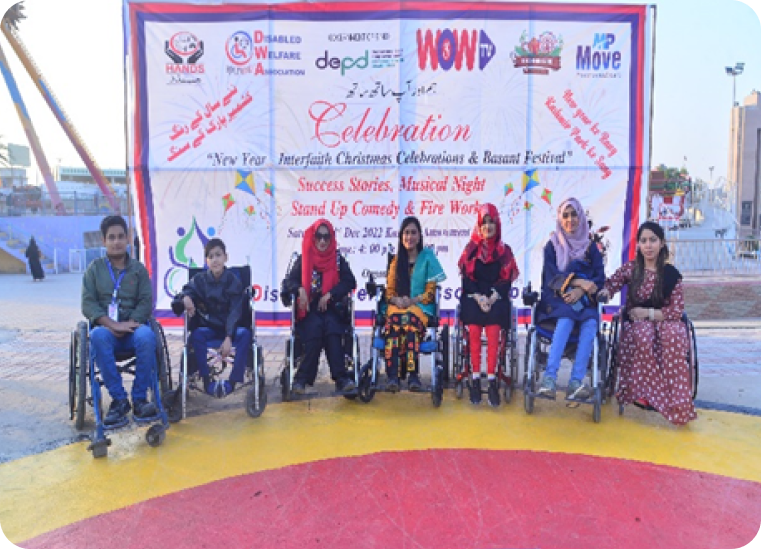
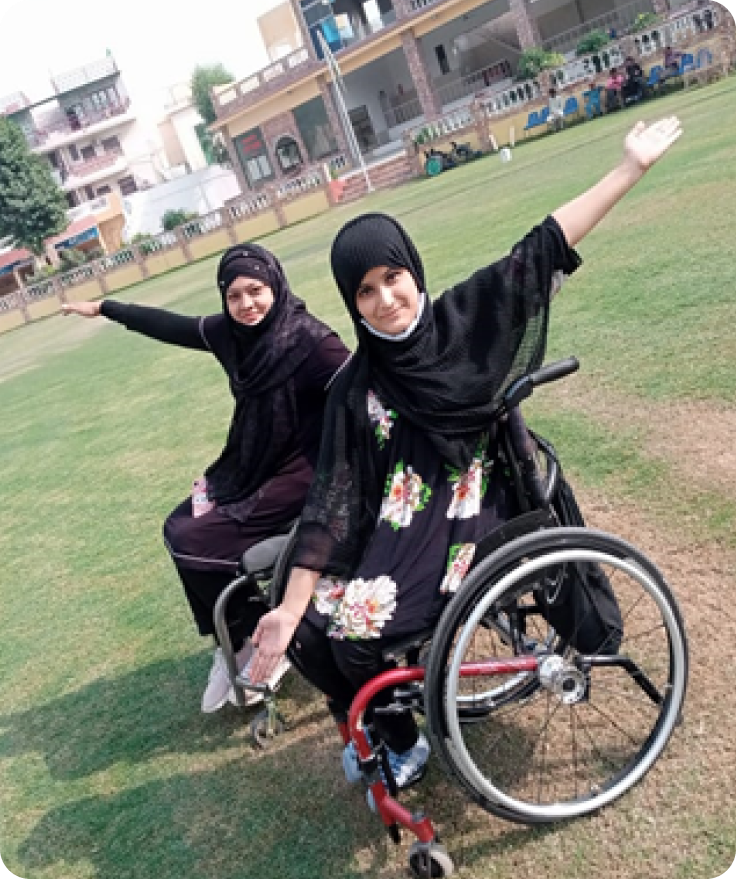
ADVOCACY FOR RIGHTS OF WWDS

DWA has been the strongest voice and advocacy group of persons with disabilities. DWA has been demanding disability rights since its inception. At DWA, women with disabilities are given awareness about their disability rights. DWA frequently conducts awareness sessions on the disability rights for women with disabilities and their families. Such sessions are also conducted frequently for academic institutions and for corporate sector as well. 
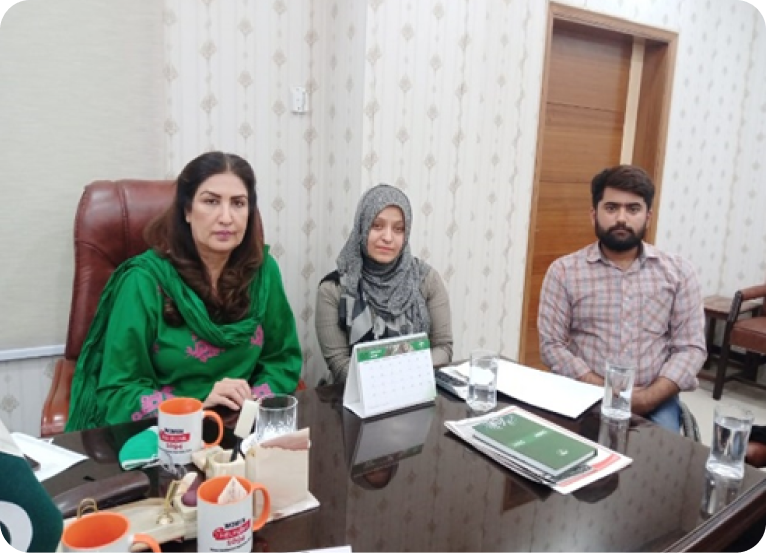
SUPPORT SERVICE FOR WWD SURVIVORS

Maintaining the strong connection with the legal advisors and women activists groups, DWA has always provided timely support to the female victims of GBV and harassment. DWA connects these survivors to the concerned legal authorities and DWA also conducts meetings between these survivors and their culprits to resolve discriminatory or family issues with mutual understanding.