Welfare Sector Overview
Pakistan has a strong tradition of community support and charitable work. Over the years, the country’s welfare sector has expanded significantly, addressing social challenges such as poverty, education gaps, healthcare accessibility, and disability inclusion. Many Top 10 Social Welfare Organizations are actively working to improve the lives of vulnerable communities, especially persons with disabilities.
For people with disabilities, access to education and employment is often limited due to social barriers, lack of accessible infrastructure, and limited professional opportunities. This is where welfare organizations play a crucial role. They provide rehabilitation services, vocational training, financial support, and career development opportunities to help individuals build independent and productive lives.
One of the key areas where these organizations make a difference is employment support. They help create pathways for jobs for disabled persons in Pakistan by connecting individuals with inclusive employers and offering skill-based training programs.
The combined efforts of welfare institutions, NGOs, and government initiatives are gradually improving employment opportunities for persons with disabilities. Through awareness campaigns and inclusive policies, the welfare sector is helping create a society where disability does not limit professional potential.
List of Top 10 Organizations
Several welfare organizations across Pakistan have earned recognition for their dedication to disability support, rehabilitation, and employment initiatives. These institutions are often regarded among the Top 10 social welfare organizations due to their impactful programs and commitment to social inclusion.
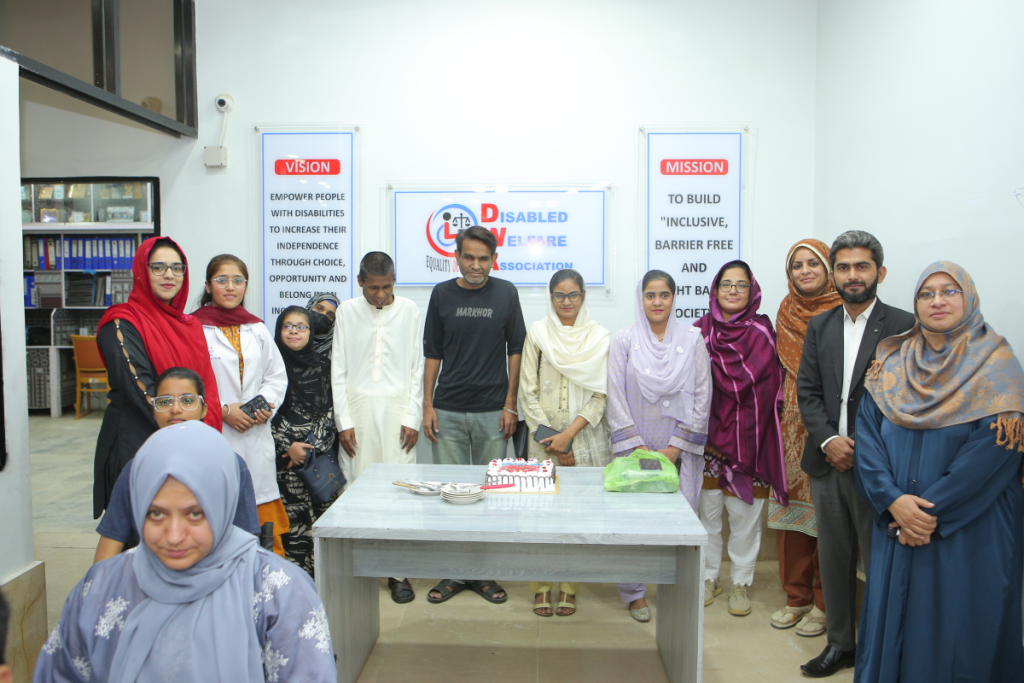
1. Disabled Welfare Association (DWA)
The Disabled Welfare Association is widely known for its work in disability advocacy, rehabilitation services, and independent living programs. The organization actively promotes accessibility, skill development, and employment support for persons with disabilities.
2. Pakistan Independent Living Centre
Pakistan Independent Living Centre (PILC) promotes disability rights, independent living, and accessibility advocacy by empowering persons with disabilities to participate fully in society. The organization works to strengthen self-reliance, raise awareness about inclusion, and encourage equal opportunities in education, employment, and community life.
3. NOWPDP (Network of Organizations Working for People with Disabilities)
NOWPDP supports disability empowerment through vocational training, workplace inclusion programs, and corporate partnerships.
4. Milestone Society for Special Persons
Milestone Society provides rehabilitation services and vocational training that help individuals gain independence and employment opportunities.
5. Rising Sun Institute for Special Children
This organization focuses on education and therapy services for children and young adults with disabilities.
6. Pakistan Foundation Fighting Blindness
This organization works to support visually impaired individuals through education programs and community support initiatives.
7. Layton Rahmatulla Benevolent Trust (LRBT)
LRBT provides eye care services across Pakistan and has helped thousands regain vision and independence.
8. Al-Shifa Trust Eye Hospital
This organization offers medical treatment and vision care services, supporting individuals with visual impairments.
9. Pakistan Society for the Rehabilitation of the Disabled (PSRD)
PSRD focuses on education and rehabilitation programs for individuals with disabilities.
10. Akhuwat Foundation
Although primarily known for microfinance, Akhuwat also runs several welfare initiatives that support disadvantaged communities, including people with disabilities.
These institutions are widely recognized among the Top 10 Social Welfare Organizations for their contribution to disability support and social empowerment.
Jobs for Disabled Persons in Pakistan
Employment is one of the most important factors in empowering individuals with disabilities. Having access to meaningful work not only improves financial independence but also enhances confidence and social participation.
However, securing jobs for disabled persons in Pakistan can be challenging due to limited accessibility, lack of employer awareness, and insufficient training opportunities. Welfare organizations play a critical role in addressing these challenges.
Many NGOs collaborate with businesses and government departments to promote inclusive hiring practices. They encourage companies to create accessible workplaces and provide equal employment opportunities.
Organizations that rank among the Top 10 Social Welfare Organizations also conduct career counseling sessions and job placement programs. These initiatives help individuals identify their strengths, develop professional skills, and connect with employers who value diversity.
Additionally, online work opportunities and remote jobs are becoming more accessible for persons with disabilities. NGOs often provide digital skills training that allows individuals to explore freelancing, remote employment, and entrepreneurship.
Government Job Quota & NGO Support
The Government of Pakistan has introduced employment quotas to promote inclusion in public sector jobs. According to government policies, a certain percentage of positions in government departments are reserved for persons with disabilities.
Despite these initiatives, many individuals remain unaware of how to access these opportunities. Welfare organizations help bridge this gap by guiding applicants through the process of applying for jobs for disabled persons in Pakistan.
NGOs provide support in preparing documentation, submitting applications, and preparing for interviews. They also collaborate with government agencies to ensure that the employment quota system is effectively implemented.
Many institutions among the Top 10 Social Welfare Organizations also advocate for stronger disability inclusion policies. Their advocacy efforts encourage companies and government departments to adopt more inclusive hiring practices.
By combining government support with NGO initiatives, more individuals with disabilities are able to access meaningful employment opportunities.
Skills & Vocational Training
Vocational training programs are essential for preparing individuals with disabilities for the workforce. These programs focus on practical skills that align with market demands and career opportunities.
Organizations recognized among the Top 10 Social Welfare Organizations often provide training in areas such as computer skills, graphic design, tailoring, handicrafts, digital marketing, and office administration.
Such programs help individuals develop confidence and professional abilities. They also improve the chances of securing jobs for disabled persons in Pakistan by equipping participants with relevant skills.
In addition to technical training, many NGOs offer soft skills development programs. These include communication skills, teamwork, and workplace etiquette.
Entrepreneurship training is another growing area of support. Some organizations encourage individuals with disabilities to start small businesses by providing mentorship and financial guidance.
By investing in skill development, welfare organizations empower individuals with disabilities to become independent and productive members of society.
Conclusion
Social welfare organizations play a critical role in supporting persons with disabilities across Pakistan. Through rehabilitation programs, vocational training, advocacy efforts, and employment initiatives, these institutions are helping create a more inclusive society.
The institutions recognized among the Top 10 Social Welfare Organizations continue to lead efforts in empowering individuals with disabilities and expanding opportunities for social participation.
Their work has significantly improved access to jobs for disabled persons in Pakistan, enabling individuals to achieve financial independence and personal growth.
With continued collaboration between government agencies, NGOs, and private sector employers, the future of disability inclusion in Pakistan looks increasingly promising. By supporting these initiatives, communities can help ensure that every individual, regardless of ability, has the opportunity to thrive.