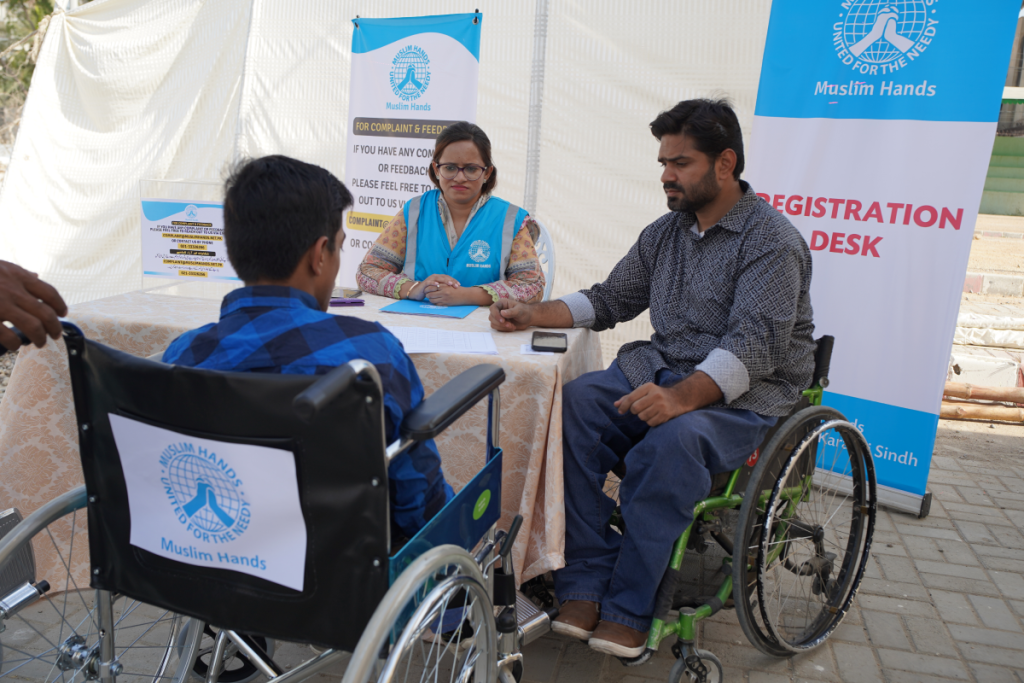
Importance of Rehabilitation for Youth
Young people with disabilities often face unique physical, educational, and social challenges. Without the right support systems, these challenges can limit their ability to participate fully in society. This is where rehabilitation services for disabled youth become extremely important. These services focus on improving mobility, communication, independence, and overall quality of life.
Rehabilitation is not just about medical treatment. It also includes emotional support, education, and skill development that help individuals build confidence and independence. Early rehabilitation can significantly improve the long-term outcomes for young persons with disabilities.
Across Pakistan, many nonprofit organizations and community initiatives are working to provide accessible support programs. Top 10 organizations helping disabled youth develop practical life skills, gain education, and access employment opportunities. Through structured programs, young individuals can learn to manage daily activities and become active members of society.
In many cases, rehabilitation also helps families better understand how to support their children. Parents and caregivers receive guidance on therapy routines, communication strategies, and emotional encouragement. This collaborative approach ensures that the progress made in therapy continues at home and within the community.
Today, rehabilitation services for disabled individuals are becoming more advanced and community-focused. NGOs and welfare organizations are expanding their programs to reach underserved populations and ensure that youth with disabilities receive the care they deserve.
Top 10 Organizations Helping Disabled Youth
Several organizations across Pakistan are actively working to empower young individuals with disabilities. These institutions provide healthcare services, rehabilitation therapy, education programs, and career guidance.
Here are the Top 10 Organizations Helping Disabled Youth in Pakistan That Are Making a Meaningful Difference:
1. Disabled Welfare Association (DWA)
The Disabled Welfare Association is one of the most active organizations supporting disability inclusion in Pakistan. DWA offers rehabilitation services for disabled individuals along with training programs, advocacy initiatives, and independent living support.
Their programs focus on empowering disabled youth by providing therapy services, education opportunities, and life skills training.
2. Pakistan Independent Living Center
Pakistan Independent Living Center (PILC) works to empower disabled youth through independent living programs, skills training, counseling, and community participation initiatives, helping young individuals build confidence, develop abilities, and pursue education and employment opportunities.
3. NOWPDP (Network of Organizations Working for People with Disabilities)
NOWPDP works to improve accessibility and employment opportunities for individuals with disabilities. Their vocational training programs help young individuals develop skills required in modern workplaces.
4. Milestone Society for Special Persons
Milestone Society provides educational and rehabilitation programs for children and youth with disabilities. Their programs focus on skill development and independent living.
5. Rising Sun Institute for Special Children
This organization offers therapy services and special education programs that support children and youth with various disabilities.
6. Family Educational Services Foundation
This foundation provides therapy, education, and community outreach programs designed to support young people with disabilities.
7. Pakistan Association of the Deaf
This organization focuses on supporting individuals with hearing impairments by providing education, communication training, and employment support.
8. Layton Rahmatulla Benevolent Trust (LRBT)
Although primarily focused on eye care, LRBT also contributes to rehabilitation and medical services that benefit many individuals with disabilities.
9. Al-Shifa Trust Eye Hospital
Al-Shifa Trust offers healthcare services that help prevent and treat visual disabilities, improving independence and quality of life.
10. Dar-ul-Sukun
Dar-ul-Sukun provides rehabilitation and residential support for individuals with intellectual and physical disabilities.
These institutions collectively represent the Top 10 Organizations Helping Disabled Youth by providing essential support systems and opportunities for growth.
Types of Rehabilitation Services for Disabled
Rehabilitation programs usually include multiple therapy approaches designed to address different types of disabilities. These therapies help individuals improve mobility, communication, and independence.
Physical Therapy
Physical therapy focuses on improving movement, strength, balance, and coordination. Many young individuals with disabilities experience mobility challenges due to conditions such as cerebral palsy, muscular disorders, or spinal injuries.
Physical therapists use structured exercises and therapeutic techniques to help individuals improve their physical abilities. These treatments may include:
- Muscle strengthening exercises
- Balance and posture training
- Mobility support with assistive devices
- Pain management techniques
Through consistent therapy sessions, many youth experience improvements in physical independence and overall health.
Physical therapy is a key component of rehabilitation services for disabled individuals because it helps restore mobility and prevent further physical complications.
Occupational Therapy
Occupational therapy focuses on helping individuals perform everyday tasks independently. These tasks may include dressing, eating, writing, or using technology.
Therapists assess the individual’s abilities and design customized training programs to help them manage daily activities. Occupational therapy often includes:
- Fine motor skill development
- Hand-eye coordination exercises
- Adaptive equipment training
- Personal care skill development
For disabled youth, occupational therapy plays a crucial role in building confidence and independence.
Speech Therapy
Speech therapy helps individuals who have communication difficulties. Some disabilities affect speech clarity, language development, or swallowing abilities.
Speech therapists work with individuals to improve communication skills through exercises, language development techniques, and assistive communication tools.
Speech therapy programs often include:
- Pronunciation and articulation training
- Language development exercises
- Voice strengthening techniques
- Alternative communication methods
These services are an essential part of comprehensive rehabilitation services for disabled individuals because communication is a vital component of social interaction and personal independence.
Education & Career Support
Rehabilitation is most effective when combined with education and career opportunities. Many organizations in Pakistan recognize that disabled youth need both therapy and professional development to build successful futures.
Organizations listed among the Top 10 Organizations Helping Disabled Youth often provide educational programs and career support initiatives.
Inclusive Education Programs
Many NGOs collaborate with schools and universities to ensure that students with disabilities have equal access to education. These programs may include:
- Accessible classrooms
- Assistive learning technologies
- Special education support
- Scholarship opportunities
Inclusive education helps disabled youth develop academic skills and pursue higher education.
Vocational Training
Vocational training programs teach practical skills that prepare individuals for employment. Training may include:
- Computer literacy
- Graphic design
- Digital marketing
- Handicraft production
- Technical skills development
These programs help youth gain financial independence and confidence.
Job Placement Support
Some organizations also assist individuals in finding employment. Career counselors help candidates prepare resumes, develop interview skills, and connect with inclusive employers.
These initiatives ensure that rehabilitation is not limited to therapy but also includes economic empowerment and long-term independence.
Conclusion
Rehabilitation plays a vital role in improving the lives of young individuals with disabilities. By combining medical care, therapy, education, and career development, rehabilitation programs help individuals overcome challenges and achieve independence.
Across Pakistan, several NGOs are working tirelessly to provide essential rehabilitation services for disabled youth. Their efforts ensure that individuals receive the support they need to develop life skills, pursue education, and build meaningful careers.
Organizations such as Disabled Welfare Association (DWA) and others listed among the Top 10 organizations helping disabled youth continue to create opportunities that empower young people with disabilities.
With continued support from communities, donors, and policymakers, rehabilitation programs can expand further and ensure that every disabled youth has the opportunity to live a dignified, independent, and fulfilling life.