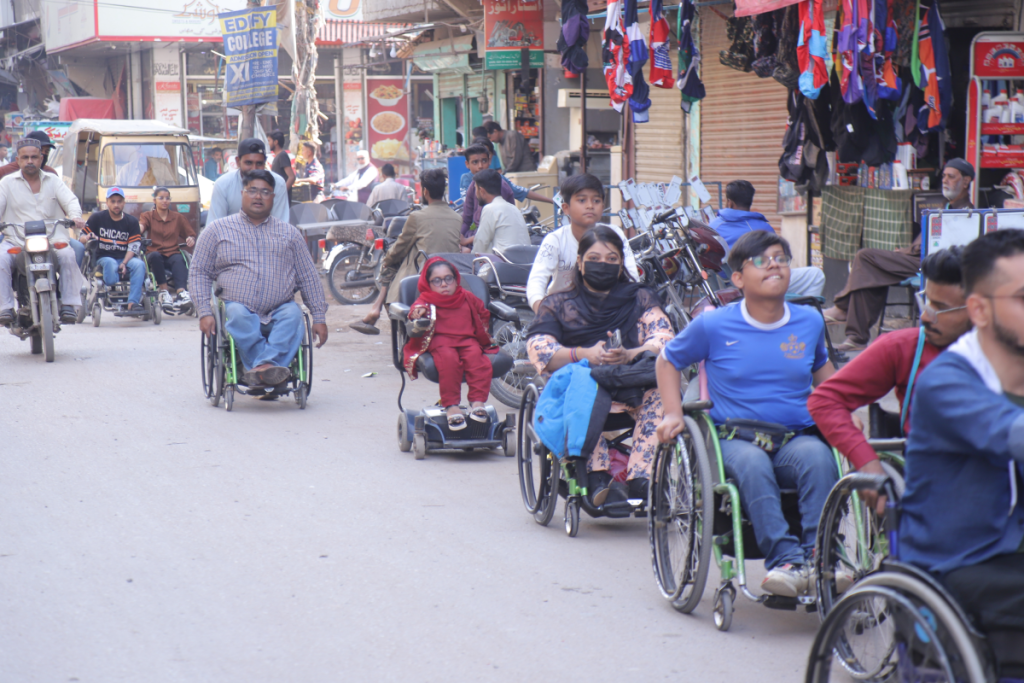
Mobility is a basic human need. The ability to travel safely to school, hospitals, workplaces, and community centers determines whether individuals can fully participate in society. For many persons with disabilities (PWDs), transportation remains one of the most significant barriers to independence. A humanitarian NGO in Pakistan plays a critical role in addressing this challenge by providing free transport for disabled individuals, ensuring they can access essential services without financial or physical obstacles.
Accessible transportation is not merely a convenience; it is a gateway to healthcare, education, employment, and social inclusion. By removing mobility barriers, NGOs create pathways toward dignity, opportunity, and equal participation.
Transportation Barriers for Persons with Disabilities
Persons with disabilities in Pakistan often face multiple transportation challenges that restrict their daily lives.
1. Lack of Accessible Public Transport
Most public buses and vans are not designed with ramps, wheelchair spaces, or safety restraints. This makes it difficult or impossible for wheelchair users to travel independently.
2. High Transportation Costs
Private transportation options can be expensive, particularly for families already facing financial strain due to medical or caregiving expenses.
3. Safety Concerns
Untrained drivers and overcrowded vehicles can pose safety risks. Individuals with mobility or visual impairments may require assistance that standard services do not provide.
4. Rural Accessibility Issues
In rural or remote areas, transport services may be limited or irregular, further isolating individuals with disabilities.
A humanitarian NGO in Pakistan recognizes these barriers and develops targeted programs to address them directly through organized free transport for disabled services.
NGO Transport Initiatives
Non-governmental organizations implement structured transport programs to ensure safe, reliable, and accessible mobility for PWDs.
Specialized Vehicles
NGOs often operate vans or minibuses equipped with:
- Wheelchair ramps or lifts
- Secure seating arrangements
- Safety belts and restraints
- Space for mobility aids
These modifications ensure comfort and safety during travel.
Trained Drivers and Staff
Drivers are trained in disability awareness, safe handling techniques, and respectful communication. Support staff may assist passengers during boarding and disembarking.
Scheduled Routes
Regular pick-and-drop services are arranged for:
- Therapy sessions
- Hospital appointments
- Schools and educational centers
- Vocational training programs
Through these initiatives, a humanitarian NGO in Pakistan ensures that free transport for disabled individuals is consistent and dependable.
Access to Healthcare Services
Healthcare access is one of the most critical reasons for providing transport support. Many persons with disabilities require:
- Routine medical checkups
- Physiotherapy sessions
- Rehabilitation programs
- Specialist consultations
Missed appointments due to transport issues can delay recovery and worsen medical conditions. By offering free transport for the disabled, NGOs help individuals attend regular therapy sessions and maintain continuity of care.
Accessible transportation directly contributes to improved treatment outcomes. When patients can travel safely and comfortably, they are more likely to follow prescribed therapy plans.
A humanitarian NGO in Pakistan often coordinates transport schedules with healthcare providers to minimize waiting times and maximize efficiency.
Access to Education Opportunities
Education is a fundamental right, yet transportation barriers frequently prevent children with disabilities from attending school.
School Transportation Support
NGO-operated vehicles transport children safely to inclusive schools or special education centers.
Higher Education Access
Students with mobility challenges can attend colleges and universities when reliable transport is available.
Reduced Dropout Rates
Consistent transport services significantly reduce absenteeism and dropout rates among students with disabilities.
By providing free transport for disabled students, a humanitarian NGO in Pakistan ensures equal access to education and long-term career opportunities.
Supporting Employment and Vocational Training
Transportation plays a crucial role in economic participation.
Workplace Access
Adults with disabilities can commute to offices, factories, or remote work centers with NGO support.
Vocational Training Centers
Skill development programs become accessible when transport barriers are removed.
Financial Independence
Regular attendance at workplaces or training institutes increases income stability and self-reliance.
A humanitarian NGO in Pakistan strengthens economic empowerment by ensuring mobility solutions align with employment goals.
Social Mobility and Inclusion Benefits
Beyond healthcare and education, mobility fosters broader social inclusion.
Community Participation
Individuals can attend social events, religious gatherings, and recreational activities.
Reduced Isolation
Accessible transport reduces social isolation and improves mental well-being.
Increased Confidence
When individuals can travel independently, their confidence and self-esteem grow.
Strengthened Family Support
Families experience reduced stress when safe transportation is readily available.
Through structured Free Transport for Disabled programs, NGOs promote active community engagement and inclusive participation.
Building Sustainable Transport Systems
To ensure long-term impact, NGOs implement sustainability strategies.
Donor and Community Support
Transport programs are often funded through donations, grants, or partnerships.
Fleet Maintenance
Regular vehicle inspections and maintenance ensure safety and reliability.
Data Monitoring
Trip records, passenger feedback, and performance evaluations help improve service delivery.
Collaboration with Local Authorities
Partnerships with government departments enhance route planning and service expansion.
A humanitarian NGO in Pakistan prioritizes accountability and transparency to maintain trust and operational efficiency.
Addressing Rural and Underserved Areas
Transport challenges are particularly severe in rural regions. NGOs address this by:
- Expanding mobile transport units
- Partnering with local community leaders
- Establishing decentralized pickup points
- Coordinating with rural healthcare providers
By extending free transport for disabled services to remote areas, NGOs reduce regional inequalities and expand access to essential services.
Challenges in Implementing Transport Programs
Despite the positive impact, NGOs face certain challenges:
- Rising fuel and maintenance costs
- Limited funding for fleet expansion
- Road infrastructure limitations
- Growing demand for services
A humanitarian NGO in Pakistan continuously seeks innovative funding solutions and community partnerships to overcome these barriers.
Long-Term Impact on Society
Accessible transportation generates ripple effects across society:
- Higher school enrollment among children with disabilities
- Improved health outcomes due to consistent medical visits
- Increased workforce participation
- Greater public awareness of disability rights
When mobility becomes accessible, individuals with disabilities transition from isolation to active contribution within their communities.
Conclusion
Transportation is more than movement, it is access, opportunity, and empowerment. A humanitarian NGO in Pakistan plays an essential role in breaking mobility barriers through organized and reliable free transport for disabled programs.
By ensuring safe access to healthcare, education, employment, and social activities, NGOs create inclusive pathways that promote dignity and independence. These initiatives not only improve individual lives but also strengthen families and communities.
As transport programs expand and partnerships grow, accessible mobility will continue to transform the lives of persons with disabilities across Pakistan, ensuring that no individual is left behind due to transportation barriers.