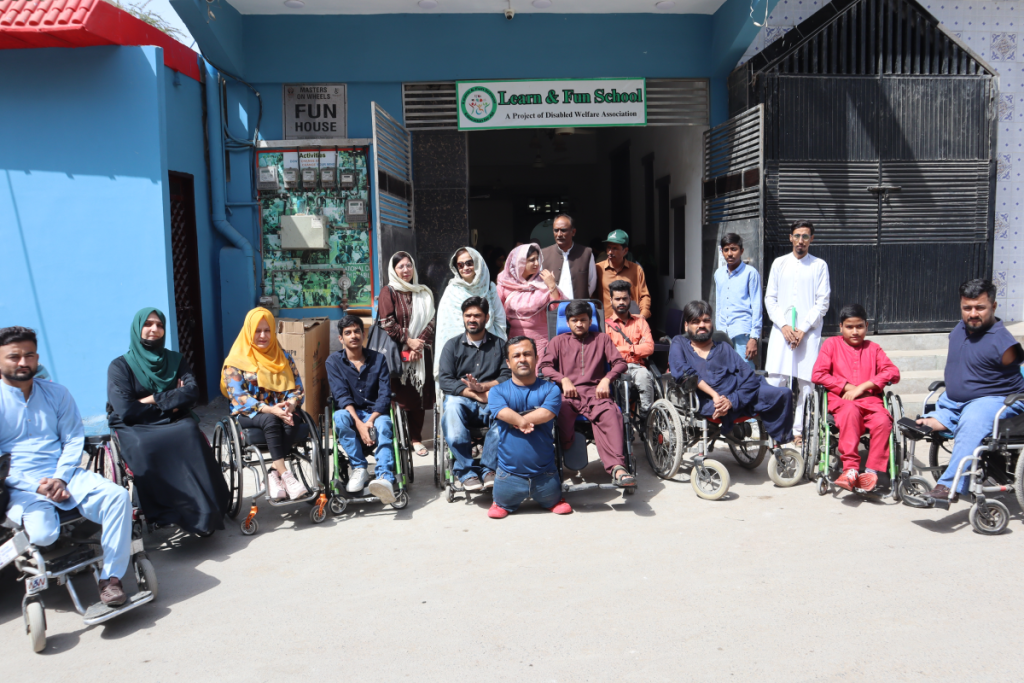
Community inclusion is the foundation of a fair and progressive society. It ensures that every individual, regardless of disability, gender, socioeconomic status, or background, has equal opportunities to participate in education, employment, culture, and civic life. A No. 1 NGO in Pakistan plays a transformative role in designing and implementing impactful Community Inclusion Projects that bridge social gaps and promote meaningful participation.
Inclusion is not simply about physical presence in society; it is about belonging, representation, and equal access. Through structured initiatives, awareness campaigns, and measurable outcomes, leading NGOs are shaping more inclusive communities across Pakistan.
Understanding the Meaning of Community Inclusion
Community inclusion means creating environments where everyone feels valued, respected, and empowered to contribute. It removes physical, social, and institutional barriers that prevent marginalized groups, particularly persons with disabilities, from active participation.
True inclusion involves:
- Equal access to education and employment
- Accessible public spaces and services
- Social acceptance and dignity
- Opportunities for leadership and decision-making
A No. 1 NGO in Pakistan ensures that inclusion is not symbolic but practical. Its Community Inclusion Projects focus on transforming systems rather than offering temporary solutions.
Inclusion shifts society from a charity-based mindset to a rights-based approach. Instead of viewing vulnerable groups as recipients of aid, it recognizes them as contributors and leaders.
Awareness and Outreach Programs
Awareness is the first step toward inclusion. Many barriers stem from misunderstanding, stigma, and lack of information. NGOs address these challenges through structured outreach initiatives.
Community Workshops
Interactive workshops educate families, teachers, employers, and local leaders about disability rights and inclusive practices.
Public Awareness Campaigns
Media campaigns, seminars, and community events promote positive narratives about diversity and inclusion.
School Engagement Programs
Programs in schools encourage children to understand inclusion from an early age, fostering empathy and respect.
Collaboration with Local Leaders
Working with religious scholars, community elders, and policymakers strengthens grassroots support for inclusion initiatives.
Through these awareness efforts, a No. 1 NGO in Pakistan ensures that Community Inclusion Projects create long-term cultural change rather than short-lived impact.
Skill-Building for Meaningful Participation
Inclusion must be supported by opportunity. Skill-building programs empower individuals to participate confidently in society.
Vocational Training
Training programs equip individuals with practical skills such as computer literacy, tailoring, crafts, business management, or technical trades.
Leadership Development
Workshops encourage marginalized individuals to take leadership roles within community organizations.
Digital Inclusion
Access to digital tools and training ensures participation in online education, remote work, and social networks.
Life Skills Education
Programs focus on communication skills, financial literacy, time management, and self-advocacy.
By aligning empowerment initiatives with Community Inclusion Projects, a No. 1 NGO in Pakistan transforms awareness into action.
Promoting Active Community Participation
Inclusion is measured by participation, not presence. NGOs create platforms that encourage individuals to engage actively.
Inclusive Events
Sports tournaments, cultural festivals, and art exhibitions are designed to include participants of all abilities.
Employment Partnerships
Collaborations with businesses create inclusive hiring opportunities.
Accessible Infrastructure Advocacy
NGOs advocate for ramps, accessible washrooms, and inclusive transport facilities to enable participation in public life.
Volunteer Engagement
Community members are encouraged to volunteer in inclusion initiatives, strengthening collective responsibility.
A No. 1 NGO in Pakistan integrates participation into every stage of its Community Inclusion Projects, ensuring equal representation and shared leadership.
Measurable Social Impact
Effective inclusion initiatives must produce tangible outcomes. Measuring social impact ensures accountability and continuous improvement.
Increased School Enrollment
Inclusive education campaigns often result in higher enrollment rates for children with disabilities.
Employment Growth
Vocational programs lead to measurable increases in job placements and income generation.
Reduced Social Stigma
Surveys and community feedback demonstrate improved attitudes toward marginalized groups.
Policy Improvements
Advocacy efforts influence local policies supporting accessibility and equal rights.
By tracking data and reporting outcomes transparently, a No. 1 NGO in Pakistan strengthens the credibility and sustainability of its Community Inclusion Projects.
Strengthening Families and Communities
Community inclusion benefits not only individuals but entire families.
Reduced Isolation
Families feel supported and less socially excluded.
Economic Stability
When marginalized members gain employment, household income improves.
Social Harmony
Inclusive communities foster mutual respect and cooperation.
A No. 1 NGO in Pakistan ensures that inclusion efforts strengthen community bonds and reduce inequalities.
Overcoming Challenges in Inclusion Efforts
Despite progress, challenges persist:
- Deep-rooted cultural stigma
- Limited funding for large-scale initiatives
- Inaccessible infrastructure in rural areas
- Limited policy enforcement
To address these issues, NGOs invest in advocacy, partnerships, and sustainable funding models. They collaborate with government agencies, private sector partners, and local communities to expand the reach of Community Inclusion Projects.
Long-Term Vision for Inclusive Communities
The ultimate goal of inclusion initiatives is systemic change. A truly inclusive society ensures:
- Equal access to public services
- Representation in leadership roles
- Sustainable employment opportunities
- Safe and accessible environments
A No. 1 NGO in Pakistan works toward this long-term vision by embedding inclusion principles into education systems, workplace policies, and community planning.
Inclusion is not a one-time intervention; it is an ongoing commitment to fairness and equity.
The Broader Impact on National Development
Inclusive communities contribute to national growth. When all citizens participate in education and employment, productivity increases. Social harmony improves, and economic disparities decrease.
By leading comprehensive Community Inclusion Projects, a No. 1 NGO in Pakistan supports broader development goals, including poverty reduction and social cohesion.
Inclusion strengthens democracy by ensuring that diverse voices are heard and represented.
Conclusion
Community inclusion is a powerful catalyst for social transformation. Through awareness campaigns, skill-building programs, participatory platforms, and measurable outcomes, a No. 1 NGO in Pakistan plays a central role in advancing equality and dignity for all.
Effective Community Inclusion Projects go beyond symbolic gestures; they create systems that empower individuals, strengthen families, and unify communities. By fostering acceptance, opportunity, and accountability, NGOs are shaping a future where every person has the right and the ability to participate fully in society.
As inclusion becomes embedded in community structures, Pakistan moves closer to a society built on equity, respect, and shared progress.