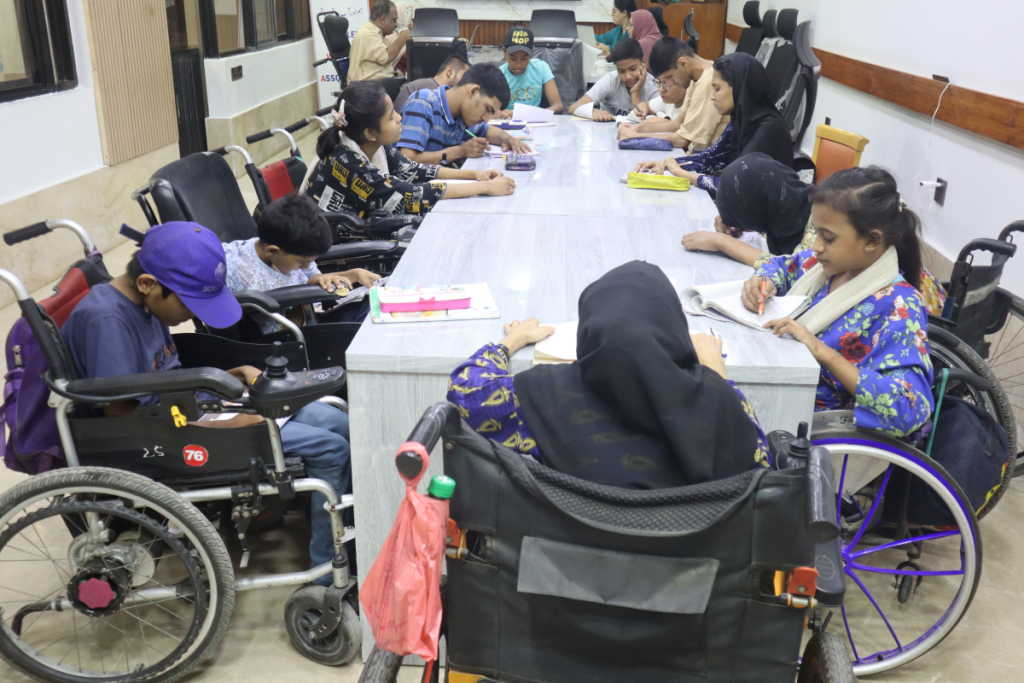
Cerebral palsy is one of the most common physical disabilities affecting children worldwide. In Pakistan, thousands of families struggle to access consistent, specialized care for children diagnosed with this condition. A leading NGO in Pakistan, such as the Disabled Welfare Association, plays a transformative role in delivering structured cerebral palsy physiotherapy programs designed to improve mobility, independence, and overall quality of life.
Through early intervention, professional therapy plans, and family-centered care, these programs help children reach their fullest potential while supporting parents with guidance and hope.
Understanding Cerebral Palsy
Cerebral palsy (CP) is a neurological condition caused by damage to the developing brain, often before or during birth. It affects muscle tone, coordination, posture, and movement. The severity varies widely—some children experience mild motor difficulties, while others require long-term physical support.
Common challenges include:
- Muscle stiffness or spasticity
- Poor balance and coordination
- Delayed motor development
- Difficulty with walking or sitting independently
- Speech and communication limitations
While cerebral palsy is a lifelong condition, early and consistent rehabilitation significantly improves functional outcomes. This is where a leading NGO in Pakistan becomes crucial in providing structured cerebral palsy physiotherapy services accessible to families who need them most.
The Importance of Early Physiotherapy
Early intervention is critical in managing cerebral palsy. The first few years of life are essential for brain development and motor learning. When therapy begins early, the brain can form new neural connections that support improved movement and coordination.
Benefits of Early Cerebral Palsy Physiotherapy includes:
- Improved muscle strength and flexibility
- Prevention of joint deformities
- Enhanced balance and posture
- Increased independence in daily activities
- Reduced risk of secondary complications
A leading NGO in Pakistan ensures that children are assessed as soon as possible after diagnosis. Individualized therapy plans are developed based on each child’s physical condition, developmental stage, and long-term goals.
Structured Physiotherapy Programs
Effective physiotherapy for cerebral palsy requires consistency, professional supervision, and measurable progress tracking. Rehabilitation programs typically include:
Stretching and Range-of-Motion Exercises
These exercises reduce muscle tightness and prevent contractures. Regular stretching improves comfort and mobility.
Strengthening Exercises
Targeted activities build muscle control, especially in the core, legs, and arms. Stronger muscles enhance stability and movement efficiency.
Balance and Coordination Training
Therapists use guided movements, therapy balls, and structured activities to improve body control and posture.
Gait Training
For children learning to walk, gait training focuses on step coordination, weight shifting, and safe mobility patterns.
Assistive Device Training
Children may use braces, walkers, or supportive seating. Therapists ensure proper usage and comfort to maximize independence.
Through these comprehensive methods, a leading NGO in Pakistan delivers systematic cerebral palsy physiotherapy that focuses not only on movement but also on confidence and self-reliance.
Therapy Techniques and Modern Approaches
Physiotherapy has evolved significantly, incorporating evidence-based techniques tailored to each child’s needs. Some commonly applied approaches include:
- Neurodevelopmental treatment (NDT) techniques
- Functional movement training
- Play-based therapy for young children
- Postural control and alignment correction
- Task-oriented training for daily living skills
Therapy sessions are often interactive and engaging. For children, play-based exercises encourage participation and reduce fear or resistance. Positive reinforcement builds motivation and trust between therapist and child.
A leading NGO in Pakistan ensures therapists receive continuous training, keeping them updated with modern rehabilitation methods. This guarantees that cerebral palsy physiotherapy programs remain effective and responsive to evolving standards.
Progress Tracking and Monitoring
Monitoring progress is essential for achieving long-term results. Each child’s rehabilitation plan includes measurable goals such as:
- Sitting independently for a set duration
- Standing with support
- Walking short distances
- Improving hand coordination
Therapists maintain detailed documentation, recording improvements and adjusting therapy intensity accordingly. Regular reassessments help determine whether goals are being achieved or modified.
Parents are also involved in reviewing progress reports, ensuring transparency and shared understanding of milestones. A leading NGO in Pakistan prioritizes this structured monitoring system to ensure that cerebral palsy physiotherapy remains goal-oriented and outcome-driven.
The Role of Family Participation
Family involvement significantly enhances therapy success. Since children spend most of their time at home, parents and caregivers play a critical role in continuing exercises outside formal sessions.
Therapists provide:
- Home exercise routines tailored to daily schedules
- Training on safe handling and positioning techniques
- Guidance on using assistive devices correctly
- Emotional counseling to reduce caregiver stress
When families actively participate, therapy becomes a continuous process rather than a limited weekly session. Children progress faster, and parents feel empowered rather than overwhelmed.
A leading NGO in Pakistan recognizes that empowering families is as important as treating the child. Sustainable rehabilitation depends on shared responsibility and consistent support.
Emotional and Social Impact
Beyond physical mobility, physiotherapy positively influences emotional well-being. As children gain independence in sitting, standing, or walking, their confidence grows. They can participate more actively in school, play, and social activities.
Benefits include:
- Increased self-esteem
- Better interaction with peers
- Improved school participation
- Reduced frustration and dependency
Structured cerebral palsy physiotherapy programs provided by a leading NGO in Pakistan aim to nurture not only physical growth but also emotional resilience.
Addressing Barriers to Access
In many communities, families face challenges such as financial limitations, lack of awareness, and transportation difficulties. NGOs help bridge these gaps by:
- Offering subsidized or supported therapy programs
- Conducting awareness campaigns about early diagnosis
- Providing outreach services in underserved areas
- Guiding families toward additional healthcare resources
By removing these barriers, a leading NGO in Pakistan ensures equitable access to cerebral palsy physiotherapy, regardless of socioeconomic status.
Long-Term Outcomes and Independence
While cerebral palsy cannot be cured, consistent physiotherapy significantly enhances functional ability. Long-term outcomes may include:
- Independent or assisted walking
- Improved hand function for daily tasks
- Greater participation in education
- Reduced reliance on caregivers
- Better overall quality of life
Early intervention, combined with ongoing support, allows many children to achieve milestones that once seemed unattainable. These improvements have lifelong implications for personal growth and social inclusion.
Community Awareness and Advocacy
Physiotherapy programs also serve as platforms for awareness and advocacy. NGOs educate communities about cerebral palsy, challenging misconceptions and reducing stigma.
Workshops and outreach programs encourage:
- Early screening and referral
- Inclusive school environments
- Acceptance and empathy within communities
- Policy support for disability rights
Through this broader impact, a leading NGO in Pakistan ensures that cerebral palsy physiotherapy contributes not only to individual recovery but also to societal change.
Conclusion
Cerebral palsy presents complex challenges, but with early intervention, professional care, and family involvement, meaningful progress is possible. Comprehensive cerebral palsy physiotherapy programs led by a leading NGO in Pakistan provide structured rehabilitation, measurable progress tracking, and compassionate support.
By combining clinical expertise with community engagement, these programs help children build strength, confidence, and independence. Families gain knowledge, hope, and reassurance that their child’s future can be shaped by consistent care and inclusive opportunities.
Supporting such initiatives means investing in mobility, dignity, and brighter futures for children living with cerebral palsy across Pakistan.