Introduction
When people search for the best NGO in Pakistan, they are often looking for more than popularity or size. They want an organization that truly understands human needs and delivers practical solutions with dignity and care. One of the most overlooked yet essential needs for persons with disabilities is transportation. Without safe and affordable mobility, access to education, healthcare, and employment becomes extremely difficult. This is where NGOs that offer free transport for disabled individuals create life-changing impact, turning access into opportunity.
What Does “Best NGO” Really Mean?
The term “best” should never be about awards alone. Ethically, the best NGO in Pakistan is one that places people before publicity and impact before numbers. It listens to communities, designs inclusive services, and ensures that no one is left behind due to financial or physical barriers.
A truly responsible NGO demonstrates:
- Transparency in operations
- Consistent community engagement
- Services designed around real needs
- Long-term commitment rather than short-term aid
Transportation support reflects these values because mobility is a basic right, not a luxury.
Transportation Challenges Faced by Persons With Disabilities
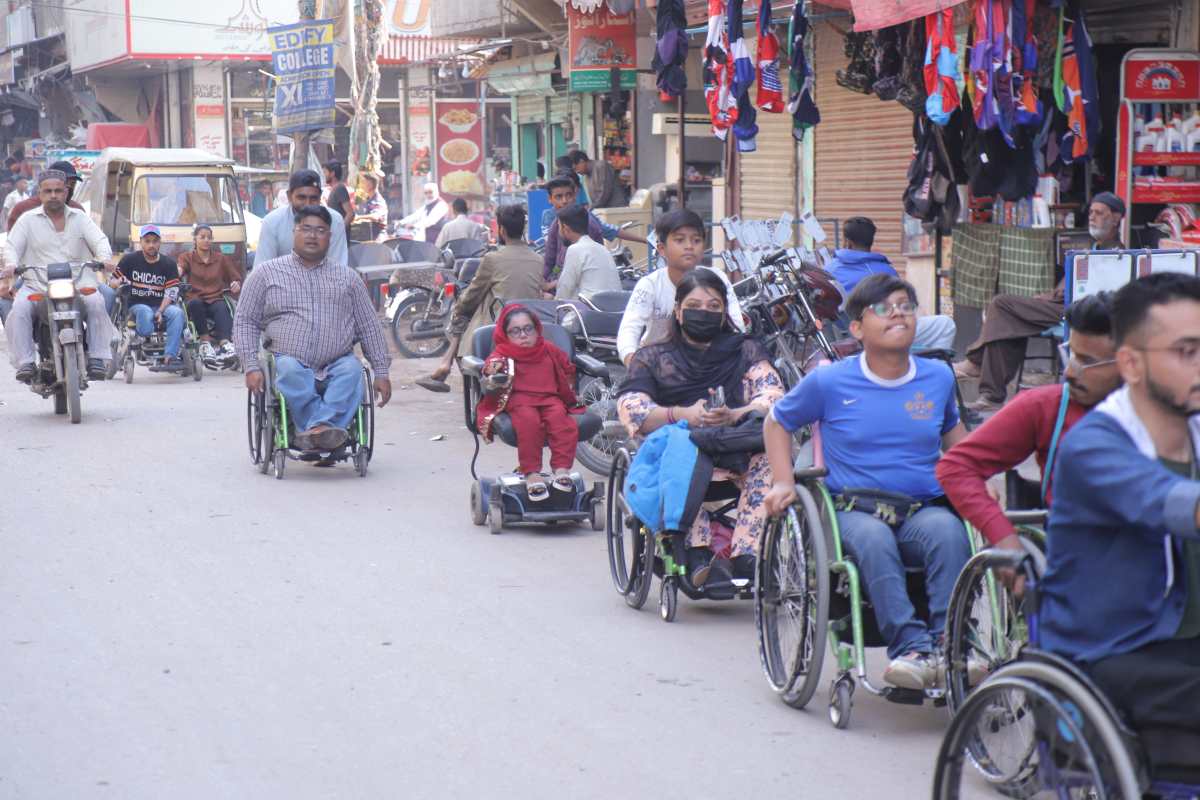
For many persons with disabilities in Pakistan, daily travel is one of the biggest obstacles to independence. Public transport systems are often inaccessible, overcrowded, or unsafe. Private transport, on the other hand, is expensive and unaffordable for many families.
Common challenges include:
- Lack of wheelchair-accessible vehicles
- High transport costs
- Dependence on family members
- Missed medical appointments or classes
- Limited job opportunities due to travel barriers
These challenges often force individuals to stay home, increasing isolation and limiting growth.
Why Accessible and Free Transport Is Essential
Mobility is directly linked to dignity, independence, and social participation. Free transport for disabled persons allows individuals to move freely without fear of cost, discrimination, or physical barriers.
Accessible transport enables:
- Regular attendance at schools and training centers
- Timely access to hospitals and rehabilitation services
- Participation in employment and income-generating activities
- Social inclusion and community engagement
Without mobility, even the best education or healthcare services remain out of reach.
Role of NGOs in Transport Accessibility
Government systems alone cannot meet the transport needs of every person with a disability. This gap is often filled by NGOs that understand local realities and respond with flexible solutions.
The best NGO in Pakistan recognizes transport as a foundational service and integrates it into broader support programs. NGO-led transport initiatives are usually designed to be inclusive, safe, and respectful.
These organizations ensure that transport is not charity-based but rights-based, allowing individuals to travel without stigma.
NGO-Provided Transport Support Programs
NGOs across Pakistan have introduced transport services specifically designed for persons with disabilities. These programs are often free or heavily subsidized to ensure accessibility for low-income families.
Common features of NGO transport programs include:
- Wheelchair-accessible vans and vehicles
- Scheduled routes for schools, hospitals, and workplaces
- Trained drivers sensitive to disability needs
- Door-to-door pick-up and drop-off services
- Priority transport for women and children with disabilities
Such programs remove one of the biggest barriers to participation and independence.
Impact on Education Access
Education is often the first area affected when transport is unavailable. Many students with disabilities are forced to drop out simply because they cannot reach their schools or training centers.
Free and accessible transport helps:
- Increase school attendance
- Reduce dropout rates
- Support inclusive education models
- Encourage parents to send children to school
By ensuring safe travel, NGOs help students focus on learning rather than logistics.
Improving Access to Healthcare Services
Healthcare requires regular visits, follow-ups, and emergency access. Without reliable transport, many persons with disabilities delay or completely avoid medical care.
Transport support provided by NGOs ensures:
- Timely physiotherapy and rehabilitation sessions
- Access to specialist doctors
- Reduced health complications due to missed care
- Emotional relief for families and caregivers
This support directly improves health outcomes and quality of life.
Supporting Employment and Economic Independence
Employment opportunities often exist, but transportation barriers prevent persons with disabilities from accessing them. Many employers hesitate to hire when attendance is uncertain.
NGO transport programs help individuals:
- Reach workplaces consistently
- Attend interviews and skill training programs
- Build confidence and professional reliability
- Maintain long-term employment
Mobility transforms employment from a dream into a reality.
Social Inclusion and Community Participation
Transport access is not only about work or school. It also affects social life, mental health, and self-worth. Being able to attend events, meet friends, or participate in community activities fosters belonging.
With free transport for disabled individuals, NGOs help reduce isolation and encourage active citizenship. People feel seen, valued, and included.
Why Transport Services Reflect an NGO’s True Commitment
Any organization can claim impact, but providing transport support requires long-term planning, funding, and accountability. That is why mobility programs are a strong indicator of ethical leadership.
The best NGO in Pakistan understands that empowerment starts with access. Transport services show that the organization is committed to removing real-world barriers, not just offering symbolic support.
Long-Term Impact on Society
When persons with disabilities can move freely, society benefits as a whole. Communities become more inclusive, workplaces more diverse, and public spaces more accessible.
Long-term outcomes include:
- Increased participation of persons with disabilities in public life
- Reduced dependency and poverty
- Greater awareness of accessibility needs
- Stronger, more inclusive communities
Transport accessibility creates ripple effects that uplift everyone.
Conclusion
The best NGO in Pakistan is defined not by its claims but by its actions. Providing free transport for disabled persons is one of the most powerful ways an NGO can promote equality, dignity, and independence. By addressing transportation barriers, NGOs open doors to education, healthcare, employment, and social inclusion.
Mobility is freedom. And when NGOs invest in accessible transport, they invest in a future where no one is left behind.