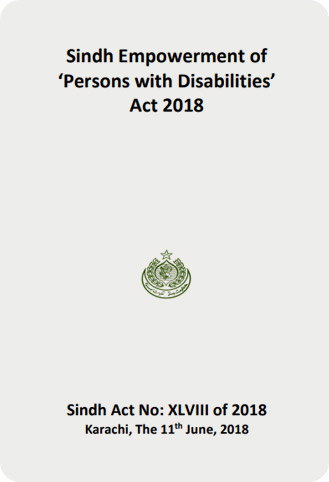
Sindh Empowerment of Persons with Disabilities Act 2018
Introduction
The Sindh Empowerment of Persons with Disabilities Act 2018 stands as a significant step toward safeguarding the rights of persons with disabilities across Sindh, Pakistan. This legislation establishes a detailed framework aimed at protecting fundamental rights while encouraging inclusion, participation, and equal opportunities within society.
For organizations like the Disabled Welfare Association (DWA), this act serves as a guiding foundation to strengthen advocacy efforts and ensure that individuals with disabilities are supported through structured policies and accessible services.
Objectives
The Act is designed with clear and purposeful objectives, including:
- A formal declaration to protect the rights of people with disabilities throughout Sindh.
- By encouraging their involvement and active engagement in all facets of social life.
- For offering equal access to jobs, healthcare, education, and other necessities.
- To motivate settings devoid of social and physical constraints.
- That gives resources for support and financial aid as needed.
- To promote knowledge, study, and awareness of disability.
- For the efficient implementation and defense of fundamental rights.
Key Provisions:
Recognition of Rights
The Act affirms that persons with disabilities have the right to live with dignity and enjoy freedoms equal to all citizens. It supports their active involvement in social, economic, cultural, and political life within the province.
Protection from Discrimination
It clearly outlines protection against discrimination, exploitation, neglect, and abuse, ensuring that individuals are treated with fairness, respect, and care in all environments.
Accessibility
All public and private institutions are required to provide reasonable accommodations and maintain inclusive policies. Public spaces, transportation, and infrastructure must be accessible, ensuring no individual is denied access due to disability. An Accessibility Commission has been formed to oversee and guide these measures.
Education
The Act promotes inclusive education systems alongside specialized learning opportunities. It ensures access to training programs, learning support, and resources that help individuals develop skills and knowledge according to their needs.
Employment
Government and private sectors are required to allocate at least 5% of job opportunities for persons with disabilities. Employers must provide necessary adjustments and facilities to create fair working conditions. Additionally, training and capacity-building programs are encouraged to prepare individuals for meaningful employment.
Social Security
Provisions include access to social protection measures such as pensions, healthcare support, vocational training, and other essential services that contribute to stability and well-being.
Healthcare Access
The Act ensures availability of both physical and mental health services, supporting individuals in maintaining overall well-being and improving quality of life.
Access to Justice
A Disability Rights Commission has been established to ensure legal protection and equal access to justice. A legal aid center also provides guidance and assistance to individuals seeking legal support.
Information and Communication
Access to communication services, including digital platforms and the internet, is emphasized to ensure that individuals remain informed, connected, and engaged in modern society.
Recreation and Leisure
The Act supports participation in recreational and leisure activities, recognizing their importance in promoting mental well-being and social inclusion.
Public Services
It ensures equal access to transportation systems and other public services, allowing individuals with disabilities to engage independently in daily life.
Monitoring and Implementation
To ensure proper execution, a Sindh Disabilities Commission has been established to monitor progress and evaluate implementation. A Disability Fund has also been introduced to provide financial assistance, alongside a Provincial Disabilities Advisory Council that offers guidance on policy matters.
Penalties and Accountability
The Act includes clear consequences for violations, including fines, imprisonment, or community service. A complaint mechanism has also been introduced, allowing individuals to report any violation of their rights and seek justice.
Conclusion
The Sindh Empowerment of Persons with Disabilities Act 2018 provides a strong legal structure that supports equal rights, accessibility, and inclusion for persons with disabilities. It not only protects individuals but also enables organizations like the Disabled Welfare Association (DWA) to extend meaningful support, advocacy, and services.
Through effective implementation of this act, a more inclusive society can be built, one where persons with disabilities are respected, supported, and given equal opportunities to lead independent and fulfilling lives.