
Introduction
For persons with disabilities, daily life can become challenging without the right support systems. Tasks that many people take for granted, such as getting dressed, bathing, traveling to work, or visiting a doctor, may require extra assistance. This is where personal care assistance becomes a lifeline. It helps individuals manage daily activities with dignity, safety, and confidence.
Alongside personal support, mobility is another major concern. Many persons with disabilities struggle to travel due to inaccessible public transport or financial limitations. Free transport for disabled individuals helps remove this barrier and allows people to access healthcare, education, employment, and social activities.
When personal care assistance and free transport for disabled individuals are available together, they significantly improve independence and quality of life. This article explains these services, their importance, and how they support persons with disabilities in leading fuller and more active lives.
Understanding Personal Care Assistance Services
Personal care assistance refers to support provided to persons with disabilities to help them manage everyday personal tasks. These services are designed to promote independence while ensuring comfort, privacy, and respect. Personal care assistance may include help with bathing, dressing, grooming, eating, and using the restroom. For individuals with mobility limitations, caregivers may assist with moving safely from bed to wheelchair or supporting posture during daily activities.
In many cases, personal care assistance also includes support with medication reminders, basic health monitoring, and daily routines. This kind of assistance is especially important for individuals with physical disabilities, chronic illnesses, or age-related conditions. The goal of personal care assistance is not to create dependency but to support independence. With the right level of help, individuals can live at home, participate in community life, and make their own choices.
Who Provides Personal Care Assistance
Personal care assistance is often provided by trained caregivers, healthcare aides, or support workers. These professionals are trained to understand disability needs and provide assistance in a respectful and safe manner. In many communities, personal care assistance is offered through NGOs, disability support organizations, welfare programs, or government-funded initiatives. Some families also arrange personal care assistance privately, depending on resources and needs. A key part of quality personal care assistance is trust. Caregivers build relationships with individuals and their families, ensuring comfort and consistency. This emotional support is just as important as physical help.
Importance of Free Transport for Disabled Individuals
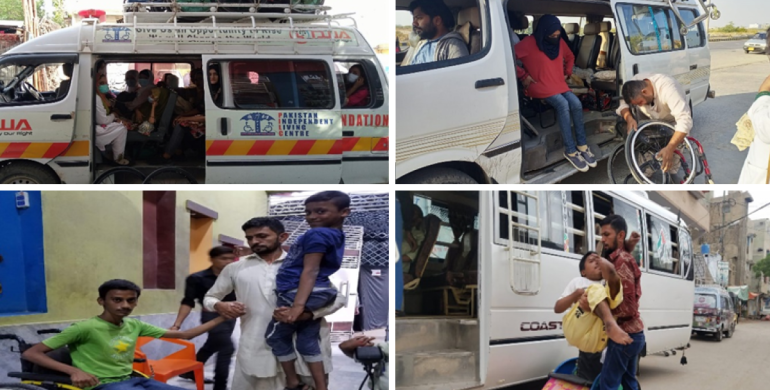
Mobility is essential for independence. Without reliable transportation, persons with disabilities may miss medical appointments, educational opportunities, or work. Free transport for disabled individuals helps remove this major barrier. Free transport for disabled individuals includes services such as accessible buses, vans, or community transport programs that provide safe and affordable travel. These services are designed to accommodate wheelchairs, mobility aids, and other special needs.
Many persons with disabilities cannot use regular public transport due to physical barriers, lack of ramps, or overcrowding. Free transport programs ensure that individuals can travel safely and comfortably. By providing free transport for disabled individuals, communities promote equal access and participation.
Types of Free Transport Programs
Free transport for disabled individuals can take different forms depending on local resources and needs. Some programs provide door-to-door transport for medical visits, therapy sessions, or work. Other programs offer subsidized or free passes for accessible public transport. These passes allow individuals to travel independently without worrying about cost.
Community-based transport services are also common. NGOs or local welfare groups operate vehicles that pick up and drop off persons with disabilities for specific purposes such as education, rehabilitation, or social events. In rural areas, free transport for disabled individuals is especially important, as distances are longer and public transport options are limited.
How Personal Care Assistance and Transport Work Together
Personal care assistance and free transport for disabled individuals are most effective when provided together. Personal care assistance ensures that individuals are physically prepared and supported for daily activities, while transport services ensure they can reach destinations safely.
For example, a person may receive personal care assistance in the morning to get ready for the day. Free transport for disabled individuals then allows them to travel to work, school, or a healthcare facility.
This combination reduces dependence on family members and improves self-confidence. Individuals feel more in control of their schedules and choices. Organizations that offer both services often see better outcomes, as barriers are addressed in a coordinated way.
Benefits for Daily Life and Independence
The impact of personal care assistance and free transport for disabled individuals can be life-changing. These services improve physical safety, emotional well-being, and social participation. With personal care assistance, individuals can maintain personal hygiene, health, and comfort. This reduces health risks and increases self-esteem.
Free transport for disabled individuals opens doors to opportunities. People can attend appointments on time, pursue education, engage in employment, and maintain social connections. Families also benefit. When reliable support is available, caregivers experience less stress and can focus on emotional support rather than constant physical assistance. Overall, these services promote independence rather than isolation.
How to Access Personal Care Assistance
Accessing personal care assistance usually begins with an assessment of needs. NGOs, healthcare providers, or social welfare departments evaluate the level of support required. Many organizations require documentation related to disability status, medical condition, or income level. Once approved, a care plan is developed based on individual needs.
Families and individuals are often involved in choosing caregivers and setting schedules. This ensures comfort and cultural sensitivity. Awareness is important, as many people are not aware that personal care assistance programs exist. Community outreach and information sharing play a key role.
How to Access Free Transport for Disabled Individuals
Free transport for disabled individuals is typically provided through NGOs, welfare associations, or government programs. Access may require registration and verification of disability. Some programs operate on fixed routes or schedules, while others offer flexible, on-demand services. Understanding the available options helps individuals plan their daily activities. Coordination between transport providers and care services improves efficiency. For example, transport schedules can align with therapy sessions or work hours. Advocacy by disability organizations helps expand these services and ensure fair access.
Conclusion
Personal care assistance and free transport for disabled individuals are essential services that support independence, dignity, and inclusion. Personal care assistance helps individuals manage daily life safely and confidently, while free transport for disabled individuals ensures access to opportunities and services. Together, these supports remove major barriers faced by persons with disabilities. They enable participation in education, employment, healthcare, and community life. By expanding and strengthening personal care assistance and free transport for disabled individuals, societies move closer to true inclusion where everyone has the chance to live with freedom and respect.


