
Introduction
Persons with disabilities often face challenges that go far beyond health or mobility. One of the most common and overlooked problems is inaccessible buildings. Offices, schools, hospitals, shopping areas, and public spaces are frequently designed without considering the needs of persons with disabilities. Stairs without ramps, narrow doorways, lack of elevators, and inaccessible washrooms can limit independence and participation. In this situation, the role of an NGO for disabled persons becomes extremely important.
An NGO for disabled persons works to improve quality of life by addressing both social and physical barriers. One of their most impactful efforts is conducting a building accessibility assessment. These assessments help identify obstacles within buildings and recommend practical solutions to make spaces safe, usable, and inclusive for everyone. When NGOs combine advocacy with technical assessments, they help create environments where persons with disabilities can move freely and live with dignity.
This article explores the role of NGOs for disabled persons, the importance of building accessibility assessment, and how these efforts contribute to inclusive communities.
Understanding the Role of NGOs for Disabled Persons
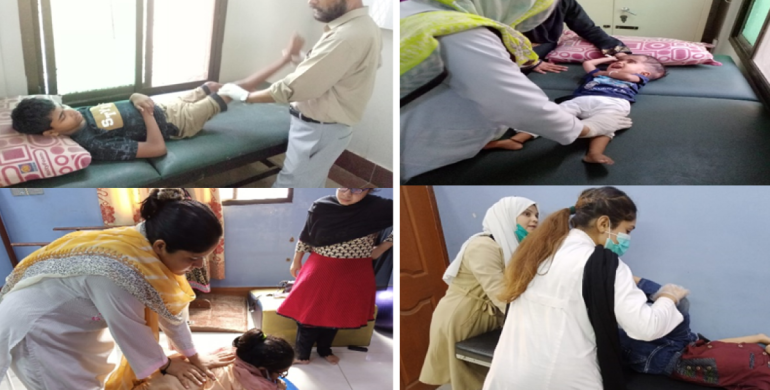
An NGO for disabled persons is an organization dedicated to supporting, empowering, and advocating for persons with disabilities. These organizations focus on long-term solutions rather than temporary assistance. Their goal is to promote independence, inclusion, and equal rights. NGOs for disabled persons provide a wide range of services. These may include healthcare support, rehabilitation, education, skills training, employment assistance, counseling, and legal awareness. Many NGOs also work closely with families to ensure a supportive environment for persons with disabilities.
Beyond direct services, an NGO for disabled persons plays a strong advocacy role. They raise awareness about disability rights, challenge discrimination, and encourage inclusive policies. Accessibility is a major part of this advocacy, as physical barriers are often the first obstacle to participation. By focusing on both individual support and environmental change, NGOs help build inclusive societies where persons with disabilities can participate fully.
Why Accessibility Matters for Persons with Disabilities
Accessibility is not a luxury; it is a basic requirement for equal participation. Without accessible buildings, persons with disabilities may be excluded from education, employment, healthcare, and social life. Even simple tasks such as visiting an office or attending an event can become stressful or impossible. An NGO for disabled persons understands that true inclusion cannot exist without accessible infrastructure. When buildings are designed or modified to meet accessibility needs, persons with disabilities gain independence and confidence. Accessibility also benefits others. Elderly people, pregnant women, parents with strollers, and individuals with temporary injuries all benefit from accessible design. This makes accessibility a shared community benefit rather than a special arrangement.
Importance of Building Accessibility Assessments
Building accessibility assessment is essential because many buildings are constructed without considering diverse needs. Even newer buildings may fail to meet accessibility requirements due to lack of awareness or poor planning. An NGO for disabled persons uses accessibility assessments to highlight these gaps and promote inclusive design. These assessments help prevent discrimination and ensure that persons with disabilities can access services and opportunities.
Accessibility assessments also support compliance with laws and regulations related to disability rights. Many countries have accessibility standards, but enforcement is often weak. NGOs help bridge this gap by providing guidance and monitoring. From a practical perspective, building accessibility assessment improves safety. Proper ramps, handrails, clear signage, and accessible exits reduce the risk of accidents and injuries.
Guidelines and Standards for Accessibility
Building accessibility assessments are usually based on national or international guidelines. An NGO for disabled persons may refer to local building codes, disability laws, and global best practices when conducting assessments. Common standards focus on ramp slopes, door widths, floor surfaces, accessible washrooms, tactile indicators, and visual signage. Emergency preparedness is also an important area, ensuring that persons with disabilities can evacuate safely during emergencies.
While standards provide a framework, NGOs often emphasize user experience. They involve persons with disabilities in assessments to understand real-life challenges. This approach ensures that recommendations are practical and effective. By promoting standards-based assessments, NGOs encourage consistent and sustainable accessibility improvements.
How NGOs Conduct Accessibility Assessments
An NGO for disabled persons usually begins by engaging with building owners or institutions. This may include offices, schools, hospitals, public buildings, or commercial spaces. The assessment process often includes site visits, measurements, observations, and discussions with users. Accessibility experts may use checklists and tools to evaluate different areas of the building.
After the assessment, the NGO prepares a report outlining barriers and recommended improvements. These recommendations may range from simple changes, such as installing handrails, to larger modifications like adding ramps or accessible washrooms. NGOs may also provide follow-up support, helping organizations implement changes and monitor progress.
Examples of Successful NGO Initiatives
Many NGOs for disabled persons have successfully improved accessibility through building accessibility assessment initiatives. For example, an NGO may work with a school to make classrooms, washrooms, and playgrounds accessible for students with disabilities. In another case, an NGO collaborates with a hospital to improve entrance access, patient navigation, and emergency exits. These changes make healthcare services more accessible and reduce stress for patients with disabilities.
Some NGOs partner with local governments to assess public buildings and transport hubs. Their recommendations help shape inclusive urban planning and infrastructure development. These initiatives demonstrate that building accessibility assessment leads to real, visible change when supported by committed NGOs.
Challenges Faced by NGOs
Despite their impact, NGOs for disabled persons face challenges in promoting building accessibility assessment. Limited funding, lack of technical expertise, and resistance from building owners can slow progress. Awareness is another challenge. Some stakeholders view accessibility as an extra cost rather than a necessary investment. NGOs work continuously to change this mindset through education and advocacy. Policy gaps and weak enforcement can also limit impact. NGOs often advocate for stronger laws and better implementation to ensure accessibility becomes standard practice.
Conclusion
An NGO for disabled persons plays a vital role in creating inclusive environments by addressing physical barriers and advocating for accessibility. Through building accessibility assessment, these organizations identify obstacles and promote practical solutions that improve safety, independence, and dignity. Accessible buildings enable persons with disabilities to participate fully in education, employment, healthcare, and community life. When NGOs lead accessibility initiatives, they create change that benefits everyone. Building accessibility assessment is not just a technical process; it is a step toward equality and inclusion. By supporting the work of NGOs for disabled persons, societies move closer to a future where all spaces are designed for everyone.


