
Introduction
Persons with disabilities often face challenges that go beyond physical limitations. Health concerns, communication barriers, and limited access to education can make everyday life more difficult. In many cases, these challenges are not caused by disability itself but by the lack of proper support systems. This is where medical support for PWDs becomes extremely important. Access to timely healthcare, rehabilitation, and ongoing medical guidance helps individuals manage their conditions and live healthier lives.
Alongside healthcare, communication and education play a major role in independence. English courses for disabled individuals help improve language skills, confidence, and access to better opportunities. English is widely used in education, employment, and digital platforms, making it a valuable skill for personal and professional growth. When medical support for PWDs is combined with English courses for disabled individuals, it creates a strong foundation for inclusion, independence, and empowerment. This article explores how these two areas work together to improve quality of life for persons with disabilities.
Importance of Medical Support for PWDs
Medical support for PWDs is essential for maintaining physical health, managing disabilities, and preventing complications. Many persons with disabilities require regular medical care, including check-ups, therapy, medication management, and rehabilitation services. Without proper medical support, minor health issues can turn into serious problems. Pain, infections, mobility limitations, and fatigue can increase when healthcare is delayed or unavailable. Medical support for PWDs helps address these issues early and ensures long-term well-being.
Medical care also supports mental and emotional health. Living with a disability can sometimes lead to stress, anxiety, or low confidence. Access to supportive healthcare professionals helps individuals feel understood, respected, and cared for. For children, youth, and adults with disabilities, consistent medical support for PWDs improves daily functioning and allows them to focus on education, skills, and social participation rather than health struggles.
Types of Medical Support Services
Medical support for PWDs includes a wide range of services designed to meet different needs. Primary healthcare services provide routine check-ups, diagnosis, and treatment of common illnesses. These services help monitor overall health and manage chronic conditions. Rehabilitation services are another key part of medical support for PWDs. Physiotherapy, occupational therapy, and speech therapy help improve movement, coordination, communication, and daily living skills. These services are especially important for individuals with physical or neurological disabilities.
Specialist care is often required for complex conditions. Medical support for PWDs may include access to neurologists, orthopedic specialists, mental health professionals, or rehabilitation doctors depending on the individual’s needs. Many support programs also provide assistive devices such as wheelchairs, hearing aids, braces, or mobility aids as part of medical care. These tools help individuals move safely and perform daily tasks more independently.
Health Programs Designed for PWDs
Health programs focused on medical support for PWDs are often provided by non-profit organizations, NGOs, hospitals, and community health centers. These programs aim to make healthcare accessible, affordable, and respectful. Some programs offer free or low-cost medical consultations and therapy sessions for persons with disabilities who cannot afford private care. Others provide mobile clinics or home-based medical services for individuals with limited mobility.
Preventive healthcare is an important part of these programs. Regular screenings, vaccinations, and health education help prevent secondary conditions and improve long-term outcomes. Medical support for PWDs also includes caregiver training. Families and caregivers learn how to provide basic medical care, manage medications, and support rehabilitation at home. This shared responsibility improves recovery and reduces hospital visits.
Importance of Education and Communication Skills
Health alone is not enough for a fulfilling life. Communication, education, and confidence are equally important. Many persons with disabilities face barriers in communication, especially when they lack access to language education. English courses for disabled individuals help bridge this gap. English is commonly used in education systems, workplaces, online platforms, and official communication. Learning English improves access to information and opportunities.
English courses for disabled individuals are designed to be inclusive and supportive. They focus on simple language, practical usage, and confidence building rather than complex grammar rules. When combined with medical support for PWDs, education programs ensure that individuals are healthy enough to learn and confident enough to participate.
English Courses for Disabled Individuals
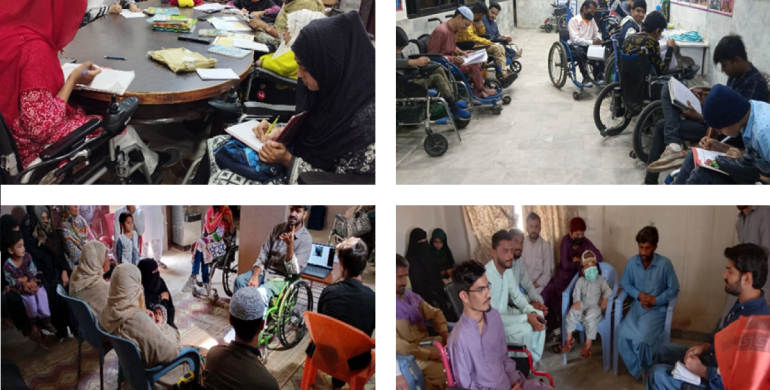
English courses for disabled individuals are structured to meet different learning needs and abilities. These courses may include spoken English, basic reading and writing, and communication skills for daily life. Classes are often adapted for different disabilities. For individuals with hearing impairments, visual aids and written materials are used. For those with mobility challenges, online or home-based English courses for disabled individuals may be offered.
The goal of these courses is not only language learning but also confidence building. Many participants gain the courage to speak, ask questions, and express themselves clearly after completing English training. English courses for disabled individuals also support independence. Improved communication skills help individuals manage healthcare appointments, understand medical instructions, and interact with service providers more effectively.
Link Between Medical Support and English Learning
Medical support for PWDs and English courses for disabled individuals support each other in many ways. Good health enables better learning, while education improves understanding of healthcare needs. When individuals can communicate in English, they are better able to explain symptoms, understand treatment plans, and follow medical advice. This improves the effectiveness of medical support for PWDs.
Healthcare professionals also find it easier to provide care when patients can communicate their needs clearly. English learning reduces misunderstandings and increases patient involvement in healthcare decisions. At the same time, medical support for PWDs ensures that health conditions do not interrupt learning. Pain management, therapy, and regular check-ups help individuals attend classes and focus on skill development.
Case Studies and Real-Life Impact
Many success stories highlight the combined impact of medical support for PWDs and English courses for disabled individuals. For example, individuals who received regular physiotherapy and medical care were able to attend language classes consistently and improve their communication skills. Some participants used their English skills to find employment, enroll in further education, or work as peer trainers. Others became more confident in managing their healthcare and daily interactions.
Families also noticed positive changes. Improved health reduced dependency, while English learning increased confidence and social engagement. These outcomes show that holistic support creates lasting change. Organizations that provide both medical and educational services often report better overall results than those offering only one type of support.
Conclusion
Medical support for PWDs is a foundation for health, dignity, and independence. It ensures that persons with disabilities receive the care they need to manage their conditions and live healthier lives. English courses for disabled individuals complement medical care by improving communication, confidence, and access to opportunities. Together, these services empower individuals to take control of their health, education, and future. By investing in both healthcare and education, communities create inclusive systems where persons with disabilities can grow, participate, and succeed. Medical support for PWDs and English courses for disabled individuals are not just services; they are pathways to empowerment and inclusion.


