
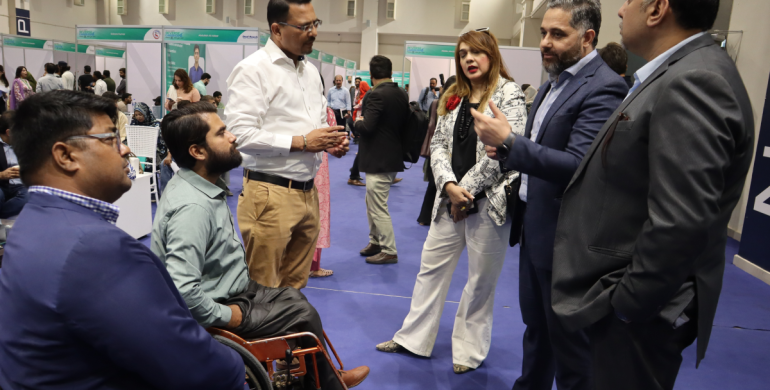
Across Pakistan, persons with disabilities continue to face social, physical, and economic barriers that limit their independence. While medical care and rehabilitation are essential, true inclusion goes beyond treatment. It involves choice, control, and the ability to live life on one’s own terms. This is where an Independent Living Center (ILC) plays a critical role. Managed by a leading NGO in Pakistan, these centers create environments where disabled individuals learn practical skills, build confidence, and take charge of their daily lives.
An Independent Living Center is not a shelter or a care home. It is a space where independence is practiced, supported, and respected.
Understanding Independent Living Centers
An independent living center is a community-based facility designed to help persons with disabilities develop the skills required for self-directed living. The core philosophy is simple: disabled individuals are the best decision-makers for their own lives when given the right tools and support.
A leading NGO in Pakistan establishes such centers to move beyond charity-based models and promote dignity, autonomy, and participation. These centers are typically run by and for persons with disabilities, ensuring lived experience guides every service.
Independent living does not mean living alone. It means having control over choices of where to live, how to work, and how to participate in society.
Why Independent Living Matters in Pakistan
In Pakistan, family dependency is often intensified for persons with disabilities due to limited accessibility, social attitudes, and lack of support systems. Many disabled adults are capable of independent decision-making but lack opportunities to practice life skills outside the home.
Independent Living Centers address this gap by:
- Reducing over-dependence on family members
- Encouraging personal responsibility
- Improving social confidence
- Preparing individuals for employment and community life
When supported by a leading NGO in Pakistan, these centers also challenge outdated perceptions that disability automatically means lifelong dependency.
Services Offered at Independent Living Centers
Independent Living Centers provide structured, practical support rather than institutional care. Programs are designed around real-life needs and daily routines.
Common services include:
- Daily living skills training (cooking, cleaning, budgeting)
- Mobility and orientation guidance
- Assistive device usage training
- Rights awareness and self-advocacy education
- Employment readiness preparation
Each participant follows a personalized plan based on their goals, abilities, and living circumstances. The approach remains flexible, respectful, and participant-led.
Skills Training for Real-Life Independence
Skill development is the foundation of every Independent Living Center. Participants are guided through everyday tasks that many people take for granted.
Training often covers:
- Personal hygiene and self-care routines
- Meal planning and safe cooking practices
- Money management and basic financial literacy
- Time management and daily scheduling
- Communication and problem-solving skills
A leading NGO in Pakistan ensures that training methods remain inclusive, practical, and culturally relevant, allowing participants to apply these skills directly in their homes and communities.
The Peer Support Model: Learning From Experience
One of the defining features of an Independent Living Center is its peer support structure. Peer trainers individuals with disabilities who have achieved independent living play a central role in mentoring participants.
Peer support offers:
- Relatable guidance based on lived experience
- Emotional reassurance and motivation
- Honest conversations about challenges
- Practical solutions rooted in reality
This model builds trust and removes the power imbalance often seen in traditional care settings. Under the guidance of a leading NGO in Pakistan, peer support becomes a tool for shared growth rather than instruction.
Building Confidence and Self-Reliance
Confidence does not develop overnight. Independent Living Centers create safe spaces where participants can try, fail, learn, and succeed without judgment.
Over time, participants often show:
- Improved decision-making ability
- Stronger self-expression
- Reduced fear of social interaction
- Greater belief in personal capability
These outcomes extend beyond the center, influencing how individuals navigate family relationships, workplaces, and public spaces.
Community Inclusion and Social Participation
Independent living is incomplete without community participation. Independent Living Centers actively support integration into broader society.
This includes:
- Training on using public transport
- Guidance on accessing public services
- Support for community involvement
- Preparation for employment or education
A leading NGO in Pakistan often collaborates with employers, institutions, and local authorities to create pathways for inclusion, ensuring that skills gained inside the center translate into real-world opportunities.
Role of Families in Independent Living
Families remain important partners in the independent living process. Centers engage caregivers through counseling sessions and awareness workshops to address concerns and shift mindsets.
Family involvement focuses on:
- Encouraging independence without withdrawal of support
- Understanding disability rights
- Respecting personal choices
- Redefining care as empowerment
This balanced approach strengthens family relationships while supporting individual autonomy.
Long-Term Outcomes of Independent Living Centers
The impact of Independent Living Centers extends far beyond short-term training. Participants often experience long-lasting changes in their personal and social lives.
Long-term outcomes include:
- Increased employment participation
- Reduced reliance on family members
- Stronger social networks
- Improved mental well-being
- Greater community engagement
By supporting these centers, a leading NGO in Pakistan contributes to a broader culture shift, one that values ability, choice, and equal participation.
Challenges and Commitment
Running an independent living center requires consistent resources, trained staff, and community support. Challenges such as funding limitations, accessibility gaps, and social stigma remain present.
Despite this, committed NGOs continue their work because independent living is not a privilege; it is a right.
Conclusion
Independent Living Centers represent a powerful step toward dignity and self-determination for persons with disabilities. By focusing on skills, peer support, and community participation, these centers offer more than training; they offer possibility.
Through the efforts of a leading NGO in Pakistan, Independent Living Centers are reshaping how disability is understood, lived, and respected. They prove that with the right support, independence is not an exception but an achievable reality.


