
Introduction
In Pakistan, millions of people rely on the support of humanitarian organizations for basic needs, dignity, and opportunity. A humanitarian NGO in Pakistan plays a critical role in reaching the most vulnerable communities, especially women with disabilities who often face layered challenges of poverty, discrimination, and social exclusion. For these women, access to education, healthcare, and economic opportunities is not just limited; it is often out of reach.
This is where structured women with disabilities training programs become life-changing. Through skills development, confidence-building, and community inclusion, humanitarian NGOs are transforming lives, enabling women with disabilities to move from dependency to independence and from isolation to participation in society.
Humanitarian NGO Work in Pakistan
Humanitarian NGOs in Pakistan operate in diverse areas, including healthcare, education, disaster relief, disability support, poverty alleviation, and community development. Their mission goes beyond charity; it focuses on long-term empowerment, sustainability, and social justice.
A humanitarian NGO in Pakistan typically works to:
- Support marginalized communities with access to essential services
- Promote inclusion for persons with disabilities
- Strengthen community systems through education and training
- Advocate for equal rights and social protection
- Build local capacity instead of long-term dependency
For women with disabilities, humanitarian NGOs provide not only services but also platforms for voice, dignity, and participation in social and economic life.
Challenges Faced by Women with Disabilities
Women with disabilities in Pakistan experience multiple layers of hardship that go far beyond physical limitations. These challenges include:
Social Barriers
Cultural stigma often isolates women with disabilities, limiting their mobility, education, and participation in community life. Many are hidden from public spaces and denied opportunities for growth.
Economic Exclusion
Limited access to employment, vocational training, and income-generating opportunities leads to financial dependence on families or carers.
Educational Gaps
Girls with disabilities are less likely to attend school due to accessibility issues, lack of inclusive learning environments, and family constraints.
Lack of Representation
Women with disabilities are rarely included in leadership roles, decision-making spaces, or community planning processes.
These barriers create a cycle of exclusion that can only be broken through structured empowerment programs and inclusive policies.
Importance of Skills and Capacity-Building Training
Skills and capacity-building training is not just about employment it is about dignity, independence, and self-worth. Women with disabilities training programs help individuals:
- Build confidence and self-esteem
- Develop practical skills for daily life and work
- Gain financial independence
- Strengthen communication and leadership abilities
- Participate actively in family and community decisions
Through training, women with disabilities move from being seen as dependents to contributors, leaders, and role models within their communities.
Types of Training Programs for Women with Disabilities
Humanitarian organizations design training programs that are inclusive, accessible, and practical. These programs are tailored to different abilities and social contexts:
Life Skills Training
Life skills programs focus on:
- Personal care and self-management
- Communication and social interaction
- Financial literacy
- Health awareness and self-advocacy
These skills support independence and daily living confidence.
Vocational Training
Vocational programs prepare women for income generation through:
- Handicrafts and home-based businesses
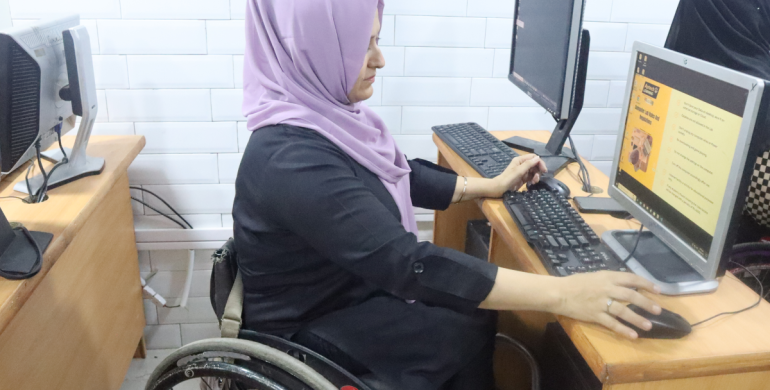
- Digital skills and computer literacy
- Sewing, tailoring, and design
- Small enterprise development
Vocational training creates sustainable livelihood opportunities.
Leadership Training
Leadership development focuses on:
- Public speaking and communication
- Decision-making skills
- Community engagement
- Rights awareness and advocacy
Leadership programs help women with disabilities become voices for change in their communities.
NGO Initiatives Supporting Women with Disabilities
A humanitarian NGO in Pakistan plays a vital role in implementing inclusive training initiatives through:
- Community-based training centres
- Home-based learning models for women with mobility challenges
- Mobile training units for remote areas
- Peer mentoring programs
- Women-focused empowerment projects
- Family inclusion programs to build support systems
These initiatives ensure that training reaches women where they are, rather than expecting them to overcome inaccessible systems alone.
Empowerment Through Training and Inclusion
Empowerment is not just about skills it is about identity, respect, and belonging. Through women with disabilities training, women begin to:
- See themselves as capable individuals
- Participate in economic activities
- Take part in community discussions
- Influence family decisions
- Advocate for their rights
- Support other women in similar situations
This transformation changes not only individual lives but also community attitudes toward disability and gender inclusion.
Social Inclusion Outcomes
When women with disabilities are empowered, entire communities benefit:
- Families become economically stronger
- Children grow up seeing inclusion as normal
- Communities become more compassionate and inclusive
- Local economies benefit from new skills and services
- Social stigma begins to decline
A humanitarian NGO in Pakistan that invests in women’s empowerment contributes directly to long-term social stability, equality, and sustainable development.
Long-Term Impact on Society
The long-term outcomes of inclusive training programs are profound:
- Reduced dependency and poverty
- Increased employment and self-employment
- Stronger community leadership
- Improved gender equality
- Greater participation of women with disabilities in public life
- Sustainable community development models
Empowered women become educators, entrepreneurs, carers, leaders, and advocates creating generational impact across society.
Conclusion
A humanitarian NGO in Pakistan plays a powerful role in building a more just and inclusive society by empowering women with disabilities through education, skills development, and community inclusion. Through structured women with disabilities training, these organizations transform barriers into opportunities and exclusion into empowerment.
When women with disabilities are given access to skills, leadership opportunities, and supportive environments, they do not just survive; they thrive, lead, and inspire change across communities.


