
Introduction
For many persons with disabilities, the biggest challenge is not the disability itself but the lack of income opportunities. Without stable work or skills, individuals often depend on family members or charity for survival. This dependency can affect confidence, dignity, and long-term well-being. Disability livelihood projects are designed to change this reality by creating income-generating opportunities that support independence and self-respect.
Across many communities, a disabled people welfare association plays a vital role in designing and implementing these projects. These associations focus on empowering persons with disabilities through skills training, employment support, and small business opportunities. By combining guidance, resources, and long-term support, disability livelihood projects help individuals become financially independent and socially included.
Need for Livelihood Projects for Persons with Disabilities
Employment is a key factor in leading an independent and dignified life. However, many persons with disabilities face barriers such as limited education, lack of training, inaccessible workplaces, and social stigma. As a result, unemployment rates among persons with disabilities remain high.
Disability livelihood projects address these challenges by focusing on ability rather than limitation. These projects provide skills that match individual strengths and local market needs. Instead of offering short-term financial aid, disability livelihood projects aim to create long-term income sources.
A disabled people welfare association understands that financial independence improves overall quality of life. When individuals earn their own income, they gain confidence, decision-making power, and respect within their families and communities. Livelihood projects also reduce poverty and dependence, creating a more inclusive society.
Role of Disabled People Welfare Associations
A disabled people welfare association acts as a bridge between persons with disabilities and livelihood opportunities. These associations identify individuals who need support and assess their skills, interests, and challenges. Based on this assessment, they design suitable disability livelihood projects.
Welfare associations also provide training, tools, and mentorship. They help individuals learn new skills, improve existing abilities, and understand basic business or employment practices. Many disabled people welfare associations partner with local businesses, donors, and training institutions to expand opportunities.
In addition, these associations advocate for the rights of persons with disabilities. They work to reduce discrimination, promote inclusive policies, and create awareness about the abilities of disabled individuals. Through this combined approach, disabled people welfare associations ensure that livelihood projects are sustainable and impactful.
Planning and Implementation of Livelihood Projects
Successful disability livelihood projects require careful planning and ongoing support. A disabled people welfare association usually begins by conducting community assessments to understand local economic conditions and market demands. Training programs are then designed to match these demands. For example, in urban areas, projects may focus on computer skills, office work, or small online businesses. In rural settings, agriculture, handicrafts, livestock care, or home-based enterprises may be more suitable.
The association also provides startup support. This may include tools, equipment, raw materials, or small grants. Ongoing mentorship helps participants manage challenges, improve productivity, and grow their income over time. Monitoring and evaluation are important parts of disability livelihood projects. Welfare associations track progress, identify gaps, and adjust programs to ensure long-term success.
Types of Disability Livelihood Projects
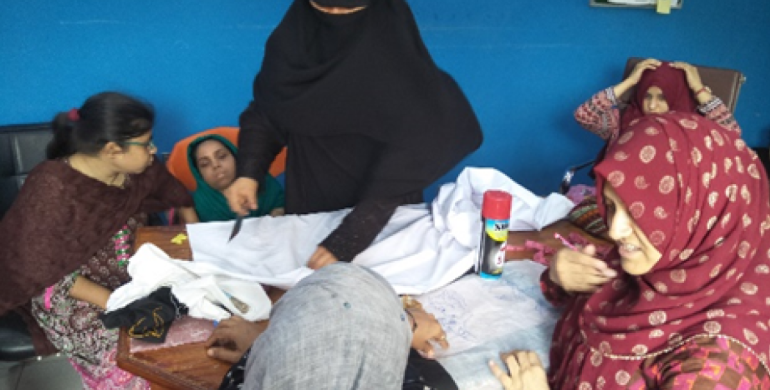
Disability livelihood projects come in many forms, depending on individual abilities and local opportunities. Skill-based projects are among the most common. These include tailoring, embroidery, handicrafts, carpentry, and mobile repair work. Digital and technology-based projects are growing in importance. Many disabled people welfare associations now offer training in computer skills, graphic design, data entry, and online freelancing. These projects allow individuals to work from home and earn income without facing physical accessibility barriers.
Small business projects are another popular option. Participants receive training in basic entrepreneurship, budgeting, and customer service. With support from the association, they may start small shops, food businesses, or service-based enterprises. Some disability livelihood projects focus on cooperative models. Groups of persons with disabilities work together to produce and sell goods, sharing resources and profits. This approach builds teamwork and mutual support.
Support Beyond Income Generation
A disabled people welfare association understands that income generation alone is not enough. Disability livelihood projects often include additional support services to ensure overall well-being. These may include counseling, health referrals, and life skills training. Financial literacy is also important, as individuals learn how to manage income, save money, and plan for the future.
Social support is another key element. Many persons with disabilities experience isolation. Livelihood projects create opportunities for social interaction, teamwork, and community engagement. This improves mental health and builds a sense of belonging. By addressing both economic and social needs, disability livelihood projects create holistic empowerment.
Success Stories and Real-Life Impact
The true value of disability livelihood projects can be seen in the lives they transform. Many individuals who once depended entirely on others are now earning stable incomes and supporting their families.
For example, a disabled people welfare association may support a woman with a physical disability to learn tailoring skills. With training and a sewing machine, she starts working from home and gradually builds a customer base. Over time, she becomes financially independent and gains respect within her community.
In another case, a young man with a mobility impairment receives computer training and starts freelance work online. Through disability livelihood projects, he earns income without facing physical barriers and builds a professional identity.
Families also benefit from these changes. Increased income improves living conditions, access to education, and healthcare. Communities benefit as well, as empowered individuals contribute economically and socially.
Economic and Social Benefits
Disability livelihood projects have wide-reaching benefits beyond individual participants. Economically, they reduce poverty and dependence on aid. When persons with disabilities earn income, they contribute to local economies and reduce the burden on families and social services. Socially, these projects challenge stereotypes about disability. Seeing persons with disabilities working, running businesses, and supporting families changes community attitudes. A disabled people welfare association plays a key role in promoting this positive image. Inclusive economic participation also strengthens social cohesion. Communities become more accepting and supportive when everyone has the opportunity to contribute.
Conclusion
Disability livelihood projects are powerful tools for empowerment and independence. They provide persons with disabilities with the skills, resources, and confidence needed to earn a living and participate fully in society. A disabled people welfare association plays a central role in making these projects successful. Through training, mentorship, advocacy, and long-term support, welfare associations transform lives and communities. When persons with disabilities are given the opportunity to work and earn with dignity, everyone benefits. Disability livelihood projects are not just economic initiatives; they are pathways to inclusion, equality, and lasting change.


