
Introduction
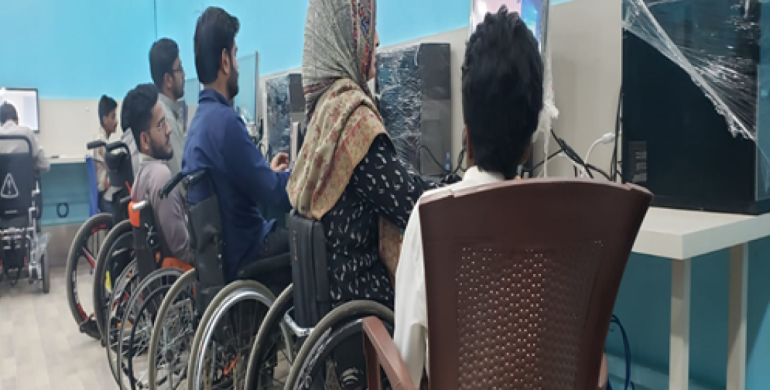
In today’s digital world, computer skills are no longer optional. They are essential for education, employment, communication, and independence. For persons with disabilities, access to digital skills can be life-changing. Computer courses for disabled individuals help bridge the gap between ability and opportunity by providing practical knowledge that supports self-reliance and confidence.
Alongside technical training, disability empowerment projects play a vital role in ensuring that people with disabilities are not left behind. These projects focus on skill development, inclusion, employment readiness, and social participation. When computer education is combined with empowerment initiatives, individuals gain not only technical skills but also the confidence and support needed to apply them in real life. This article explores the importance of digital skills, different types of computer courses for disabled individuals, the role of disability empowerment projects, and real-world success stories that show how technology can transform lives.
Importance of Digital Skills for Persons with Disabilities
Digital skills open doors to education, employment, and social connection. For persons with disabilities, these skills are especially important because technology can remove many physical and social barriers. Computer skills allow individuals to work remotely, access online education, communicate independently, and manage daily tasks. Many jobs today require basic computer knowledge, such as using email, documents, spreadsheets, or online platforms. Without these skills, people with disabilities may face exclusion from the job market.
Computer courses for disabled individuals help reduce dependency on others. Learning how to use assistive software, smartphones, and online tools enables greater independence in daily life. Simple tasks like paying bills online, attending virtual meetings, or applying for jobs become achievable. Digital literacy also promotes social inclusion. Social media, video calls, and online communities help people with disabilities stay connected, express themselves, and participate in society. This sense of belonging improves mental well-being and self-esteem.
Types of Computer Courses for Disabled Individuals
There are many types of computer courses for disabled individuals, designed to match different abilities, interests, and career goals. These courses are often flexible, inclusive, and practical. Basic computer literacy courses focus on fundamental skills such as using a computer, typing, managing files, and navigating the internet. These courses are ideal for beginners and build a strong foundation. Office productivity courses teach skills such as word processing, spreadsheets, and presentations. These skills are essential for office jobs, administrative roles, and freelance work.
Graphic design and creative courses introduce tools for designing posters, logos, and digital content. Many persons with disabilities find creative digital work to be a flexible and fulfilling career option. Programming and web development courses teach coding, website creation, and software development. These advanced skills open doors to high-demand careers in the technology sector. Digital marketing courses focus on social media management, content creation, and online advertising. These skills are useful for remote work and small business opportunities. Computer courses for disabled individuals are often adapted to different learning speeds and communication needs, ensuring that everyone can learn comfortably.
Understanding Disability Empowerment Projects
Disability empowerment projects go beyond training. They aim to create long-term change by addressing social, economic, and educational barriers. These projects focus on building skills, confidence, and leadership among persons with disabilities. They promote the idea that disability is not inability but a different way of functioning. Many disability empowerment projects include computer training as a core component. Digital skills are seen as a pathway to employment, entrepreneurship, and independence.
Empowerment projects often involve partnerships with NGOs, educational institutions, and private companies. These partnerships create opportunities for internships, job placements, and mentorship. By combining skills training with advocacy and awareness, disability empowerment projects help change attitudes and reduce stigma.
Employment and Economic Empowerment Through Technology
One of the main goals of computer courses for disabled individuals is economic empowerment. Digital skills create access to income-generating opportunities. Remote work has become more common, allowing persons with disabilities to work from home. Jobs such as data entry, content writing, graphic design, and customer support are now accessible through online platforms. Freelancing and online businesses provide flexible work options. With the right computer skills, individuals can offer services globally without facing physical barriers.
Disability empowerment projects often support entrepreneurship by providing business training, digital tools, and mentorship. This helps individuals turn skills into sustainable livelihoods. Economic independence improves self-confidence and reduces reliance on family or charity. It also changes how society views persons with disabilities, recognizing them as contributors rather than dependents.
Case Studies and Success Stories
Real-life examples show the powerful impact of computer courses for disabled individuals combined with empowerment projects. One success story involves a young person with a mobility impairment who joined a basic computer training program. Through consistent learning and support, they gained office skills and later secured a remote administrative job.
Another example is a visually impaired individual who learned graphic design using assistive software. With guidance from a disability empowerment project, they started freelancing and now support their family through digital work.
A group-based empowerment project trained women with disabilities in digital marketing. Along with technical skills, the program provided confidence-building sessions and job placement support. Many participants now manage social media accounts for small businesses. These stories highlight that when skills, support, and opportunity come together, transformation is possible.
Social Impact of Empowerment Projects
Beyond individual success, disability empowerment projects create broader social change. They challenge stereotypes and promote inclusion. When people with disabilities are seen using technology confidently, it changes public perception. It shows that accessibility and opportunity make a real difference. Empowerment projects also encourage peer support. Participants learn from each other, share experiences, and build networks. This sense of community reduces isolation. Communities benefit when all members can contribute. Inclusive digital training strengthens the workforce and promotes economic growth.
Challenges and the Way Forward
Despite progress, challenges remain. Many persons with disabilities still lack access to computers, internet, and training facilities. Financial barriers, lack of awareness, and limited inclusive programs restrict opportunities. Rural areas often have fewer resources and training options. To address these challenges, more investment is needed in computer courses for disabled individuals and disability empowerment projects. Governments, NGOs, and the private sector must work together to expand access. Awareness campaigns can help families and individuals understand the importance of digital skills. Inclusive policies and funding can ensure sustainability.
Conclusion
Computer courses for disabled individuals are powerful tools for inclusion, independence, and economic empowerment. When combined with disability empowerment projects, they create lasting change that goes beyond technical skills. Digital education helps persons with disabilities overcome barriers, access opportunities, and participate fully in society. Empowerment projects ensure that this education leads to real-world outcomes such as employment, confidence, and social inclusion. By investing in inclusive computer training and empowerment initiatives, we move closer to a world where everyone has the chance to learn, work, and thrive with dignity.


