Top 10 Social Welfare Organizations
Pakistan’s social welfare system relies on a combination of government initiatives and nonprofit organizations to support vulnerable communities. From healthcare and education to disability inclusion and poverty relief, social welfare organizations play a central role in improving quality of life.
This article highlights the Top 10 Social Welfare Organizations in Pakistan and explains key disabled person benefits in Pakistan, including government schemes and financial assistance programs.
Welfare System in Pakistan
Pakistan’s welfare system operates through federal and provincial departments, zakat committees, and nonprofit organizations. While the government provides policy frameworks and financial schemes, NGOs and welfare trusts often handle on-the-ground service delivery.
The welfare system focuses on:
- Poverty alleviation
- Healthcare access
- Education support
- Disability inclusion
- Orphan care and women’s empowerment
- Emergency and disaster relief
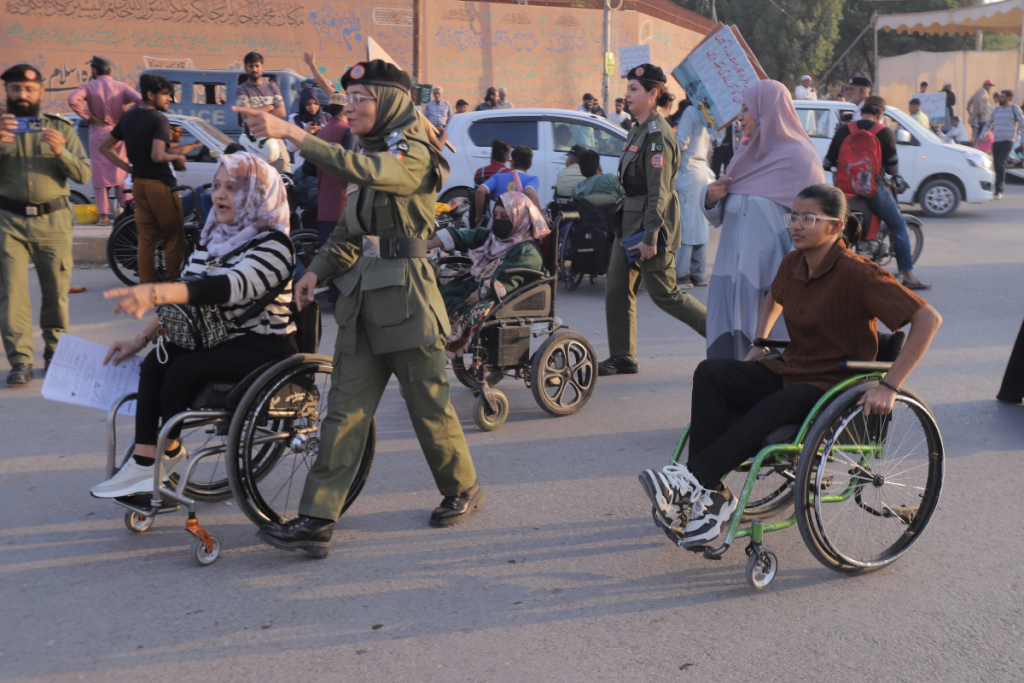
For persons with disabilities (PWDs), welfare support includes rehabilitation services, employment quotas, financial aid, assistive devices, and legal protections. NGOs frequently collaborate with government departments to ensure benefits reach eligible individuals.
List of Top 10 Organizations
Below are some of the Top 10 social welfare organizations in Pakistan known for their national impact and structured welfare programs:
1. Disabled Welfare Association
Dedicated institutions across Pakistan are working consistently to support vulnerable communities through structured welfare initiatives and inclusive programs.
2. Pakistan Independent Living Centre
Promotes disability rights, independent living, and accessibility advocacy.
3. Edhi Foundation
One of the largest welfare networks in the country, providing ambulance services, shelters, orphanages, and emergency relief nationwide.
4. Shaukat Khanum Memorial Cancer Hospital & Research Centre
Provides cancer treatment and financial assistance to patients regardless of their ability to pay.
5. The Citizens Foundation
Focuses on quality education for underprivileged communities through an extensive school network.
6. Layton Rahmatulla Benevolent Trust
Delivers free eye care services and surgeries, benefiting thousands of visually impaired individuals.
7. Alkhidmat Foundation Pakistan
Engaged in disaster response, healthcare services, clean water projects, and orphan support initiatives.
8. NOWPDP
Works on inclusive employment initiatives and corporate disability awareness programs.
9. Indus Hospital & Health Network
Provides free healthcare services through a growing network of hospitals and clinics.
10. Aga Khan Foundation Pakistan
Implements development programs in health, education, and rural economic growth.
These organizations collectively strengthen Pakistan’s welfare ecosystem and extend support to marginalized groups, including persons with disabilities.
Disabled Person Benefits in Pakistan
Persons with disabilities in Pakistan are entitled to various benefits under federal and provincial policies. These benefits aim to promote inclusion, reduce financial burden, and ensure equal opportunities.
1. Employment Quota
Government departments and many public institutions reserve a percentage of jobs for persons with disabilities. This quota system encourages workforce inclusion and economic empowerment.
2. Disability Certificate & CNIC Marking
Individuals can obtain a disability certificate through medical evaluation and registration with the National Database and Registration Authority. Certification enables access to official benefits and schemes.
3. Financial Assistance
Eligible individuals may receive:
- Monthly disability stipends
- Zakat-based financial aid
- Provincial social protection grants
- Emergency medical assistance
These payments help families manage disability-related expenses.
4. Education Support
Students with disabilities may receive:
- Fee concessions
- Scholarships
- Assistive learning devices
- Examination accommodations
Inclusive education policies aim to ensure that children with disabilities remain enrolled in schools.
5. Travel Concessions
Some provinces provide discounted or free public transport services for certified persons with disabilities.
6. Healthcare & Rehabilitation Services
Access to subsidized therapy services, assistive devices, and medical treatment is available through welfare departments and NGOs.
Government Schemes & Financial Aid
The government of Pakistan, in collaboration with provincial authorities, operates several welfare schemes that benefit persons with disabilities.
Social Welfare Departments
Provincial Social Welfare Departments manage disability registration, certification, and stipend distribution. They also coordinate rehabilitation centers and training institutes.
Zakat & Bait-ul-Mal Programs
Public funds such as Bait-ul-Mal and Zakat committees provide financial aid to low-income individuals, including persons with disabilities. Assistance may cover medical treatment, educational expenses, or monthly subsistence.
Skills Development Programs
Government-backed vocational training programs help persons with disabilities develop employable skills. Training fields may include IT, tailoring, crafts, and small business management.
Microfinance & Small Business Support
Some welfare schemes provide small loans or grants to encourage entrepreneurship among persons with disabilities, promoting long-term financial independence.
Assistive Device Distribution
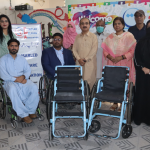
Wheelchairs, hearing aids, prosthetics, and mobility tools are distributed through government and NGO partnerships, improving accessibility and independence.
Together, these schemes aim to strengthen social protection systems and enhance quality of life.
Role of NGOs in Expanding Benefits
While government schemes provide formal benefits, NGOs play a crucial role in:
- Raising awareness about eligibility criteria
- Assisting with documentation processes
- Referring individuals to relevant departments
- Providing supplementary services not covered by public programs
- Advocating for stronger disability rights policies
Through outreach campaigns and community engagement, NGOs ensure that benefits reach remote and underserved populations.
Conclusion
Pakistan’s welfare framework is supported by both government institutions and nonprofit organizations. The Top 10 Social Welfare Organizations highlighted above demonstrate the strength and diversity of the country’s humanitarian sector.
Understanding disabled person benefits in Pakistan, including employment quotas, financial assistance, education support, and healthcare access, is essential for promoting inclusion and equality. When combined with NGO advocacy and structured government schemes, these benefits create meaningful opportunities for persons with disabilities. As awareness grows and collaboration improves, Pakistan’s welfare system can continue evolving toward a more inclusive society where every individual, regardless of ability, has access to dignity, opportunity, and support.