Across Pakistan, nonprofit organizations play an essential role in addressing social challenges, supporting vulnerable communities, and strengthening access to basic services. Among the many areas where NGOs contribute meaningfully, disability support remains one of the most important. From rehabilitation services to education and employment assistance, NGOs often become the bridge connecting people with opportunities and rights.
In this article, we explore the Top 10 NGOs in Pakistan and explain important disabled person benefits in Pakistan that help individuals with disabilities live with dignity, independence, and social participation.
Overview of NGO Sector in Pakistan
Pakistan has a vibrant and active nonprofit sector working across healthcare, education, disaster response, and social welfare. Thousands of organizations operate at national and community levels, providing support where public resources may not always reach quickly.
Many of the Top 10 NGOs in Pakistan focus on addressing poverty, improving healthcare access, and ensuring that marginalized groups are not left behind. Persons with disabilities (PWDs) are among the communities that benefit significantly from these efforts.
NGOs help in several ways:
- Rehabilitation and therapy services
- Education and vocational training
- Awareness about disability rights
- Access to government assistance programs
- Community integration and social inclusion
In recent years, organizations have also begun advocating for improved policies and stronger implementation of disabled person benefits in Pakistan, ensuring that legal protections translate into practical support.
List of Top 10 NGOs
Below is a list of NGOs often recognized among the Top 10 NGOs in Pakistan due to their long-standing service, community outreach, and dedication to humanitarian work.
1. Disabled Welfare Association (DWA)
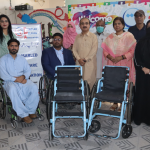
A dedicated organization focused on rehabilitation services, accessibility advocacy, and empowerment programs for persons with disabilities across Pakistan.
2. Pakistan Independent Living Centre
Advocates for accessibility, disability rights, and independent living opportunities.
3. Edhi Foundation
One of the most respected charitable organizations in Pakistan, known for ambulance services, shelters, orphan care, and emergency response.
4. The Citizens Foundation
Works extensively in the education sector, operating schools in underprivileged communities.
5. Layton Rahmatulla Benevolent Trust
Provides free eye treatment, surgeries, and vision rehabilitation services.
6. Alkhidmat Foundation Pakistan
Focused on disaster relief, orphan care, healthcare services, and social welfare programs.
7. NOWPDP
Supports employment inclusion for persons with disabilities through corporate partnerships and training.
8. Indus Hospital & Health Network
Offers free healthcare services across multiple cities in Pakistan.
9. Aga Khan Foundation Pakistan
Works on education, rural development, and healthcare initiatives.
10. Saylani Welfare International Trust
Provides food distribution, medical aid, education support, and skill development initiatives.
These organizations collectively form a large part of the Top 10 NGOs in Pakistan, helping millions of individuals access services that improve their quality of life.
Disabled Person Benefits in Pakistan
Understanding disabled person benefits in Pakistan is essential for ensuring that individuals with disabilities can access the assistance available to them. Various policies and programs aim to support PWDs in areas such as employment, education, healthcare, and financial aid.
Key disabled person benefits in Pakistan include:
Employment Opportunities
Government policies allocate job quotas for persons with disabilities in public sector institutions. Many private organizations are also encouraged to adopt inclusive hiring practices.
Financial Assistance
Provincial social welfare departments and federal programs offer stipends and grants to eligible individuals with disabilities.
Education Support
Students with disabilities may receive scholarships, fee concessions, and specialized educational assistance.
Healthcare Services
Certain hospitals and NGOs provide subsidized or free treatment, therapy, and assistive devices.
These disabled person benefits in Pakistan aim to reduce barriers and promote equal participation in society.
Government Schemes & Financial Support
Government initiatives are an important part of delivering disabled person benefits in Pakistan. Several programs provide financial support, medical assistance, and social welfare services.
Some notable schemes include:
- Disability allowance programs
- Bait-ul-Mal financial assistance
- Zakat-based welfare support
- Employment quota systems
- Educational scholarships
Many of the Top 10 NGOs in Pakistan work alongside government departments to ensure these programs reach the individuals who need them most.
For example, NGOs help applicants complete documentation, understand eligibility criteria, and access social welfare offices.
How NGOs Help in Accessing Benefits
Even though disabled person benefits in Pakistan exist through various policies, accessing them can sometimes be challenging. Documentation requirements, lack of awareness, and administrative procedures may create obstacles for many individuals.
This is where NGOs provide essential support.
Organizations among the Top 10 NGOs in Pakistan assist individuals in multiple ways:
Awareness and Guidance
NGOs conduct awareness sessions to educate communities about available disabled person benefits in Pakistan and the rights of persons with disabilities.
Application Assistance
Staff members help individuals prepare documents, submit applications, and follow up with relevant departments.
Rehabilitation Services
Therapy centers operated by NGOs offer physiotherapy, occupational therapy, and counseling support.
Employment Support
Many NGOs also run vocational training and employment placement programs.
Through these efforts, organizations help ensure that disabled person benefits in Pakistan are not limited to policy documents but become real opportunities for individuals.
Conclusion
The nonprofit sector continues to play a crucial role in improving social welfare across the country. The Top 10 NGOs in Pakistan demonstrate how community-driven initiatives can provide healthcare, education, rehabilitation, and support services to millions of people.
At the same time, understanding disabled person benefits in Pakistan is vital for promoting inclusion and equal participation. When individuals are aware of their rights and supported by dedicated organizations, they are better positioned to access opportunities and build independent lives.
Organizations like the Disabled Welfare Association and many others continue working toward a future where disability does not limit participation, and every individual has the opportunity to contribute meaningfully to society.