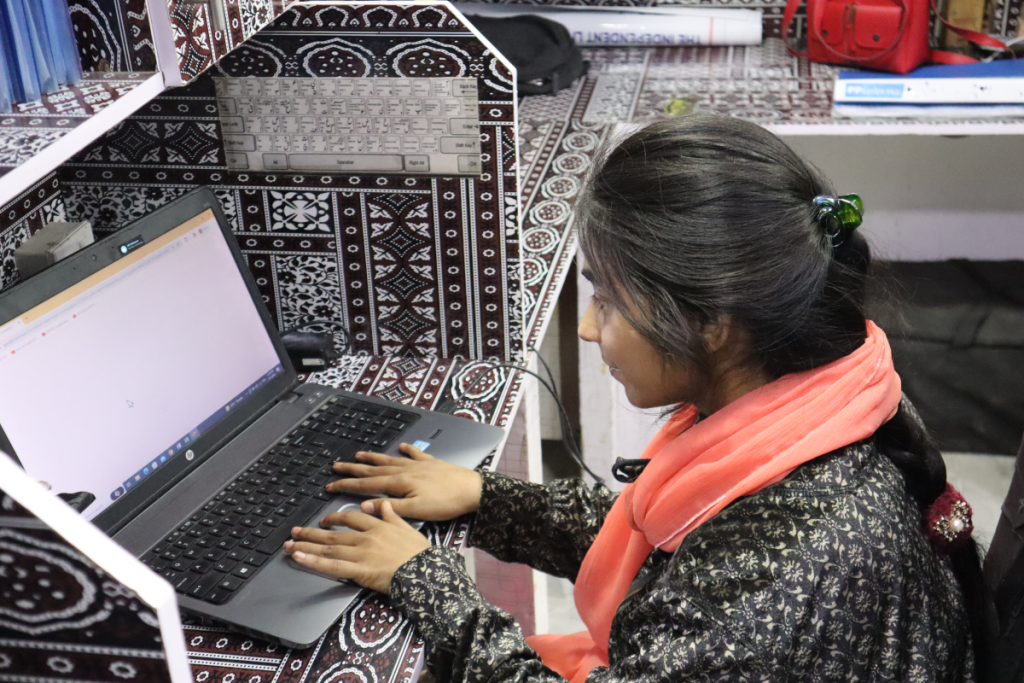
Comprehensive Overview of Rehabilitation Services
Persons with disabilities often face physical, cognitive, and emotional barriers that limit daily independence. Rehabilitation services for disabled individuals aim to restore mobility, enhance life skills, and promote holistic well-being. Through structured therapy, assistive technology, and personalized support, these programs empower participants to regain confidence and engage actively in education, work, and society.
At Disabled Welfare Association (DWA), rehabilitation services for the disabled are designed to be accessible, inclusive, and adaptable. Expert therapists and counselors work collaboratively with each participant to provide tailored solutions that meet specific needs. Beyond physical recovery, these services focus on building self-reliance, communication skills, and social confidence, fostering an environment where disabled youth can thrive.
The Importance of Youth Leadership Training for Disabled Individuals
Youth leadership training empowers young PWDs to become active contributors to society. At DWA, youth leadership training disabled programs equip participants with skills essential for personal and professional success. Leadership development for disabled youth addresses self-advocacy, decision-making, teamwork, and problem-solving, enabling them to navigate challenges with confidence and resilience.
Such programs create a platform where young individuals not only learn but also practice responsibility, collaboration, and initiative. Integrating rehabilitation services for the disabled with leadership development ensures a holistic approach, enhancing both physical ability and social empowerment.
Skills Developed Through Leadership Training
Participation in youth leadership training disabled programs fosters key competencies that benefit both daily life and future careers:
- Confidence: Overcoming social and physical barriers through guided challenges
- Effective Communication: Learning to express ideas clearly and assertively
- Teamwork: Collaborating on group projects, peer mentoring, and community activities
- Decision-Making: Developing problem-solving strategies for real-life scenarios
- Resilience: Building mental and emotional strength to navigate setbacks
These skills, paired with rehabilitation services for the disabled, ensure that participants are prepared not only to lead but also to advocate for themselves and others.
Training Modules: A Structured Approach
DWA’s youth leadership training disabled programs are divided into progressive modules designed to develop skills comprehensively:
- Orientation & Assessment: Understanding each participant’s abilities, interests, and goals
- Self-Advocacy & Personal Development: Workshops on confidence-building, self-expression, and goal-setting
- Communication & Interpersonal Skills: Role-playing, public speaking, and teamwork exercises
- Problem-Solving & Critical Thinking: Real-world scenarios and collaborative projects
- Community Engagement & Social Responsibility: Volunteering, mentorship, and peer guidance programs
In parallel, rehabilitation services for the disabled are integrated into these modules, ensuring participants can access mobility support, physical therapy, and adaptive tools to maximize learning and engagement.
Impact on Future Careers
The combination of rehabilitation services for the disabled and youth leadership training for the disabled equips participants with the tools necessary for successful careers. Graduates of these programs demonstrate enhanced employability, improved interpersonal skills, and the ability to thrive in professional settings.
Career advantages include the following:
- Access to vocational opportunities through skill and confidence development
- Ability to assume leadership roles in community and workplace settings
- Enhanced communication and teamwork skills for collaborative jobs
- Increased self-reliance, allowing for independent work and entrepreneurship
DWA’s programs aim to ensure that every participant can transition smoothly into meaningful employment or further education, turning rehabilitation and training into tangible professional outcomes.
Success Stories and Real-Life Impact
The results of rehabilitation services for the disabled combined with youth leadership training disabled speak volumes:
- Aliya’s Transformation: Initially shy and homebound, Aliya gained confidence through leadership workshops and occupational therapy. She now mentors other PWDs while pursuing vocational opportunities in administrative roles.
- Bilal’s Journey: Through physical rehabilitation and leadership training, Bilal improved mobility and developed strong communication skills. He recently secured a role at a local enterprise, actively contributing to the team.
- Community Outcomes: Families report increased participation in education, community activities, and advocacy, highlighting how DWA programs improve social integration and independence.
Facilities and Expert Staff
DWA provides state-of-the-art facilities to support rehabilitation services for the disabled and youth leadership training disabled initiatives:
- Accessible training centers with ramps, adaptive furniture, and assistive technology
- Qualified therapists for physical, occupational, and speech rehabilitation
- Experienced trainers specialized in leadership development and life skills coaching
- Peer mentors to provide support, guidance, and encouragement
This infrastructure ensures participants receive both professional expertise and empathetic guidance in a safe, inclusive environment.
Community Engagement and Collaboration
DWA collaborates with schools, vocational centers, corporate partners, and government agencies to maximize the reach of youth leadership training disabled programs. Partnerships provide practical learning opportunities, mentorship, and networking that reinforce classroom and therapy lessons.
By integrating rehabilitation services for the disabled with community initiatives, DWA ensures participants develop confidence, resilience, and social skills that directly impact long-term success and inclusion.
Start Your Journey Today
Disabled youth can now take advantage of transformative youth leadership training disabled programs combined with comprehensive rehabilitation services for the disabled at DWA. Enrollment is simple, inclusive, and tailored to individual abilities.
Benefits of joining include:
- Enhanced mobility and physical well-being
- Improved communication and leadership skills
- Increased confidence and independence
- Opportunities for education, employment, and community engagement
Participating in these programs allows young PWDs to realize their potential, embrace opportunities, and emerge as empowered leaders capable of contributing meaningfully to society.