
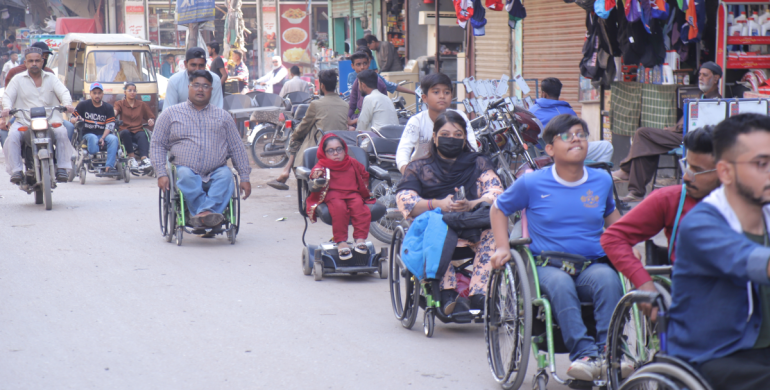
In Pakistan, access to mobility remains one of the most overlooked aspects of disability support. For many persons with disabilities (PWDs), the absence of a wheelchair limits not only movement but also education, healthcare access, employment, and social participation. While several organizations work in the disability sector, the best NGO in Pakistan stands apart through its structured, transparent, and people-centered wheelchair donation free initiatives.
These programs are not driven by numbers alone. They are built on responsibility, trust, and a clear understanding of what mobility means in everyday life.
What Defines the “Best NGO” in Pakistan?
The term “best” is not about visibility or scale alone. In the social sector, it reflects consistency, accountability, and measurable impact. The best NGO in Pakistan demonstrates long-term commitment rather than short-term activity.
Key criteria include:
- Clear mission and ethical governance
- Transparent use of donations
- Strong community presence
- Needs-based program design
- Proven outcomes for beneficiaries
In wheelchair donation initiatives, these qualities become even more important, as mobility aids directly affect health, independence, and dignity.
Understanding the Need for Free Wheelchair Programs
Wheelchairs are essential for individuals with mobility impairments caused by spinal injuries, cerebral palsy, muscular conditions, accidents, or age-related challenges. Despite this need, access remains limited across Pakistan.
Major barriers include:
- High cost of durable wheelchairs
- Lack of locally available options
- Inappropriate or poorly fitted devices
- Limited access in rural and low-income areas
For many families, purchasing a wheelchair is financially impossible. This is why wheelchair donation free programs remain one of the most impactful interventions offered by disability-focused NGOs.
Why the Best NGO Takes the Lead
The best NGO in Pakistan does not treat wheelchair distribution as a one-time charity activity. Instead, it treats mobility as a right that requires planning, follow-up, and responsibility.
Leadership in this area means:
- Investing in quality, long-lasting wheelchairs
- Matching equipment to individual needs
- Ensuring fair and verified distribution
- Providing post-distribution guidance
By maintaining high standards, the NGO ensures that donated wheelchairs genuinely improve daily life rather than creating new challenges.
Structured and Fair Distribution Process
Trust begins with fairness. The best NGO in Pakistan follows a structured system to ensure that wheelchairs reach those who truly need them.
The process usually involves:
- Application or referral submission
- Medical or functional assessment
- Verification of financial need
- Approval through internal review
- Scheduled distribution
This approach prevents favoritism, duplication, and misuse, protecting both beneficiaries and donors.
Wheelchair Donation Impact on Daily Life
The impact of a wheelchair goes far beyond mobility. It changes how individuals experience the world around them.
Beneficiaries often report:
- Greater independence in daily tasks
- Ability to attend school or work
- Increased participation in family life
- Improved mental and emotional well-being
For children, a wheelchair can mean consistent school attendance. For adults, it can open paths to employment or vocational training. For older individuals, it restores comfort and dignity.
Through wheelchair donation free initiatives, the best NGO in Pakistan helps people move from isolation toward participation.
Impact on Families and Caregivers
Wheelchair access also reduces the burden on caregivers. Family members often carry disabled individuals physically, which can lead to exhaustion, injury, and emotional stress.
With proper mobility support:
- Caregivers experience reduced physical strain
- Household routines become more manageable
- Families regain balance and stability
- Emotional stress decreases
The ripple effect of a single wheelchair can improve quality of life for an entire household.
Donor Trust and Accountability
Donor confidence is a defining feature of the best NGO in Pakistan. Without trust, even well-intended programs cannot continue.
Accountability practices often include:
- Clear documentation of donations
- Transparent reporting of distribution activities
- Beneficiary records and follow-ups
- Open communication with supporters
In wheelchair donation free programs, accountability reassures donors that their contributions are creating real, visible impact.
Success Stories That Reflect Real Change
Behind every donated wheelchair is a personal story. These stories reflect progress, not pity.
Examples of real change include:
- A student attending school independently
- A working adult resuming employment
- An older individual moving freely within their home
- A caregiver gaining physical and emotional relief
The best NGO in Pakistan shares these stories responsibly, focusing on resilience and progress rather than sympathy.
Reaching Underserved Communities
Leadership also means reaching those who are often left behind. Many wheelchair beneficiaries live in rural or underserved areas where services are scarce.
To address this, NGOs may:
- Organize outreach distribution camps
- Partner with local health workers
- Coordinate with rehabilitation centers
- Arrange transport support for beneficiaries
These efforts ensure that wheelchair donation free programs are inclusive and accessible across regions.
Challenges and Commitment
Even the strongest NGOs face challenges such as:
- Rising equipment costs
- High demand compared to supply
- Logistical difficulties
- Long-term sustainability concerns
What sets the best NGO in Pakistan apart is its continued commitment despite these challenges, guided by responsibility rather than recognition.
The Role of Community and Supporters
Sustaining wheelchair donation initiatives requires shared effort. Donors, volunteers, medical professionals, and community members all play a role.
Support can include:
- Financial contributions
- Equipment sponsorship
- Medical assessments
- Awareness and outreach
When communities support trusted NGOs, the impact of wheelchair donation free initiatives grows stronger and more sustainable.
Conclusion
Mobility is a foundation of independence and dignity. Through structured, transparent, and ethical wheelchair donation free initiatives, the best NGO in Pakistan demonstrates what responsible leadership in the disability sector looks like.
These programs are not acts of charity alone. They are commitments to inclusion, participation, and human dignity. By supporting such initiatives, donors and communities contribute to lasting change one wheelchair, one life, and one family at a time.


