
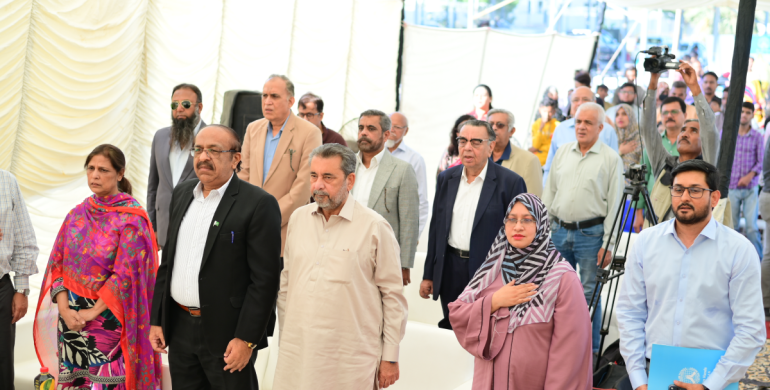
Mobility is closely tied to dignity, independence, and participation in society. For many persons with disabilities (PWDs) in Pakistan, the lack of a wheelchair is not just a physical limitation; it becomes a social and economic barrier that restricts education, healthcare access, and community life. In this context, top NGOs in Pakistan play a vital role by running wheelchair donation programs that restore movement and open doors to opportunity.
These programs are not simply about distributing equipment. They are about restoring autonomy and reducing isolation for individuals who are otherwise confined to their homes.
The Need for Wheelchairs in Pakistan
Pakistan has a large population of individuals living with mobility-related disabilities caused by congenital conditions, accidents, chronic illnesses, and age-related challenges. Despite this, access to affordable mobility aids remains limited.
Key challenges include:
- High cost of quality wheelchairs
- Limited availability in rural areas
- Poorly fitted or unsuitable devices
- Lack of guidance on proper usage
For low-income families, purchasing a wheelchair often means choosing between mobility and other basic needs. This is where top NGOs in Pakistan step in to fill a critical gap through organized donation programs.
Why Free Wheelchair Donation Programs Matter
A wheelchair can transform daily life in immediate and lasting ways. It allows individuals to move independently, attend school, seek employment, and participate in family and community activities.
Through wheelchair donation free initiatives, NGOs help:
- Reduce dependence on caregivers
- Improve physical health and posture
- Increase confidence and self-worth
- Support access to education and healthcare
These programs are especially important for children, older adults, and individuals with severe mobility limitations who face the highest barriers to movement.
How NGOs Identify Eligible Beneficiaries
Responsible NGOs follow clear and ethical criteria to ensure wheelchairs reach those who need them most. Eligibility assessment is a critical step in maintaining fairness and trust.
Common eligibility factors include:
- Type and severity of mobility impairment
- Financial condition of the applicant
- Medical recommendations or assessments
- Age and daily mobility requirements
Top NGOs in Pakistan often work closely with hospitals, rehabilitation centers, and community organizations to identify genuine cases and avoid duplication.
Application and Verification Process
Most NGOs operate a structured application process for wheelchair donations. This ensures transparency and proper allocation of resources.
The process typically involves:
- Submission of an application or referral
- Medical or functional assessment
- Home or community verification, where needed
- Approval and scheduling for distribution
By following these steps, wheelchair donation free programs remain accountable and responsive to real needs rather than informal or uneven distribution.
Distribution Process and Accessibility
Wheelchair distribution is not limited to handing over equipment. NGOs focus on ensuring that each wheelchair suits the user’s physical condition and living environment.
Distribution practices often include:
- On-site fitting and adjustment
- Guidance on safe usage
- Basic maintenance instructions
- Follow-up support when required
Some top NGOs in Pakistan also conduct outreach distribution camps in remote areas, reducing travel barriers for applicants who cannot reach urban centers.
Transparency and Ethical Management
Trust is central to any donation-based initiative. NGOs handling mobility aid distribution are expected to operate with openness and accountability.
Transparency measures include:
- Clear eligibility guidelines
- Public reporting of donation activities
- Donor acknowledgment systems
- Documentation of beneficiary details
A transparent wheelchair donation free program ensures donor confidence and community trust, allowing services to continue and expand.
Life-Changing Impact on Individuals
The impact of receiving a wheelchair extends beyond physical movement. For many beneficiaries, it marks the beginning of a more active and engaged life.
Individuals often report:
- Improved independence at home
- Ability to attend school or training
- Increased social interaction
- Reduced emotional distress
For children, a wheelchair can mean regular school attendance. For adults, it may enable work or vocational activity. For older individuals, it often restores dignity and ease in daily routines.
Impact on Families and Caregivers
Wheelchair donation programs also affect families positively. Caregivers often carry significant physical and emotional responsibilities when supporting a person with mobility challenges.
Benefits for families include:
- Reduced physical strain
- Greater peace of mind
- Improved household mobility routines
- Shared sense of relief and stability
By supporting one individual, top NGOs in Pakistan indirectly improve the well-being of entire households.
Community-Level Benefits
When individuals with disabilities gain mobility, communities benefit as well. Increased participation strengthens social ties and challenges exclusionary attitudes.
Community impact includes:
- Greater visibility of disabled individuals
- Reduced stigma through interaction
- More inclusive local environments
- Stronger social cohesion
A successful wheelchair donation free initiative contributes to broader awareness about accessibility and inclusion.
Challenges Faced by NGOs
Despite their impact, wheelchair donation programs face ongoing challenges:
- Rising costs of quality wheelchairs
- Limited supply compared to demand
- Logistical difficulties in rural areas
- Need for ongoing donor support
Even with these constraints, committed NGOs continue their work, guided by the understanding that mobility is not a luxury; it is a necessity.
The Role of Donors and Community Support
Sustaining free wheelchair programs requires collective effort. Donors, volunteers, medical professionals, and community members all play a role.
Support can come in many forms:
- Financial contributions
- Wheelchair sponsorships
- Medical assessments
- Outreach and awareness support
When communities stand behind top NGOs in Pakistan, the reach and impact of wheelchair donation programs grow significantly.
Conclusion
Access to a wheelchair can change the course of a person’s life. Through structured, transparent, and compassionate wheelchair donation programs, top NGOs in Pakistan are restoring mobility, independence, and dignity to thousands of individuals across the country.
These initiatives remind us that inclusion begins with access. Supporting wheelchair donation programs is not only about providing equipment; it is about enabling participation, restoring confidence, and strengthening communities.


