
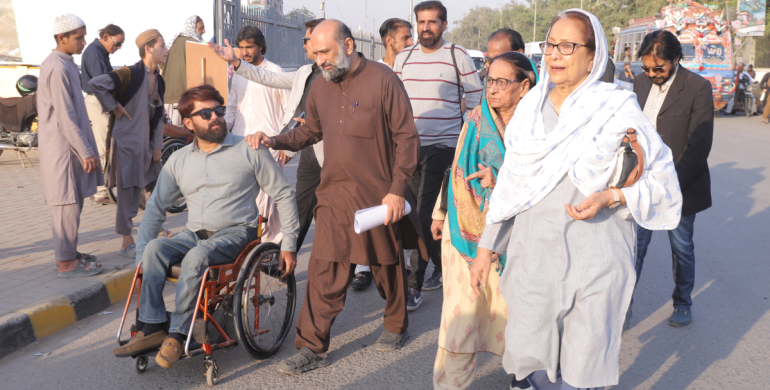
Mobility is a basic human need, yet for thousands of persons with disabilities (PWDs) in Pakistan, transportation remains one of the biggest barriers to independence. Limited infrastructure, inaccessible public transport, and financial constraints often prevent disabled individuals from reaching hospitals, schools, workplaces, and community spaces. In this context, the role of a social welfare NGO in Pakistan becomes critically important, particularly through initiatives that offer free transport for disabled persons.
By addressing mobility challenges directly, NGOs help bridge the gap between disability and opportunity, ensuring that access to essential services is not denied due to transportation barriers.
Transport Barriers Faced by Persons with Disabilities
Transportation challenges for PWDs in Pakistan are multifaceted. Most public transport systems are not designed with accessibility in mind, making travel unsafe or impossible for individuals using wheelchairs, walkers, or other assistive devices.
Common transport barriers include:
- High steps in buses and vans
- Lack of ramps or lifts
- Overcrowded public transport
- Absence of priority seating enforcement
- High cost of private transport options
For individuals with visual, hearing, or intellectual disabilities, additional challenges such as poor signage, lack of staff assistance, and unsafe road crossings further limit mobility. Without accessible transport, even the best healthcare or education facilities remain out of reach.
This is where a social welfare NGO in Pakistan steps in to create practical, inclusive solutions.
The Role of Social Welfare NGOs in Accessible Transport
A social welfare NGO in Pakistan focuses on removing social and physical barriers that prevent disabled persons from participating fully in society. Free transport services are one of the most impactful interventions because they address a root cause of exclusion.
NGOs design transport programs that prioritize:
- Safety and comfort for disabled passengers
- Regular scheduling for medical and educational needs
- Trained drivers and support staff
- Vehicles adapted for wheelchairs and mobility aids
By offering free transport for disabled individuals, NGOs ensure that financial limitations do not become an additional burden on already vulnerable families.
NGO Transport Initiatives Across Pakistan
Many social welfare NGOs operate dedicated transport fleets tailored to the needs of PWDs. These initiatives are often community-based and responsive to local requirements.
Typical NGO transport initiatives include:
- Wheelchair-accessible vans with ramps or lifts
- Scheduled pick-and-drop services for rehabilitation centers
- Emergency medical transport for disabled patients
- School transport for children with disabilities
- Outreach transport for rural and underserved areas
Unlike commercial transport, these services are not profit-driven. Instead, they are designed to support dignity, independence, and consistent access to essential services.
Supporting Access to Medical Services
Healthcare access is one of the primary reasons NGOs provide free transport. Many persons with disabilities require regular physiotherapy, medical checkups, or rehabilitation sessions. Missing appointments due to transport issues can delay recovery and worsen health outcomes.
Through free transport for the disabled, NGOs ensure:
- Timely arrival for therapy and medical appointments
- Reduced physical strain on patients and caregivers
- Continuity of long-term treatment plans
- Safe travel for individuals with complex medical needs
A social welfare NGO in Pakistan often coordinates transport schedules directly with hospitals and rehabilitation centers, minimizing waiting times and improving service efficiency.
Enabling Education Through Accessible Transport
Education is a key pathway to independence, yet many children with disabilities drop out of school due to transportation challenges. Inaccessible buses, long travel distances, and safety concerns discourage families from enrolling in or continuing education.
NGO-led transport programs support education by:
- Providing daily school pick-and-drop services
- Ensuring safe supervision during travel
- Accommodating assistive devices and wheelchairs
- Reducing financial pressure on families
When a social welfare NGO in Pakistan provides reliable transport, attendance improves, learning outcomes increase, and children with disabilities gain confidence and routine in their daily lives.
Impact on Daily Life and Independence
The impact of free transport for disabled persons goes far beyond medical visits or school attendance. Accessible mobility changes daily life in meaningful ways.
Key life improvements include:
- Greater independence in movement
- Increased participation in community activities
- Improved mental health and confidence
- Reduced isolation and dependency
- Enhanced family well-being
For adults with disabilities, transport access can open doors to vocational training, employment opportunities, and social engagement. For families, it reduces caregiving stress and allows caregivers to focus on other responsibilities.
Community Inclusion and Social Participation
Mobility is closely linked to social inclusion. When disabled individuals can travel independently or safely with assistance, they are more likely to participate in social, cultural, and religious activities.
A social welfare NGO in Pakistan uses transport initiatives to:
- Facilitate community events and awareness programs
- Enable participation in skill development workshops
- Support attendance at social and civic gatherings
This inclusion helps change societal perceptions of disability, shifting the focus from limitation to capability.
Sustainability and Partnerships
Operating free transport services requires resources, planning, and partnerships. NGOs often collaborate with donors, corporate partners, and local authorities to sustain these programs.
Sustainable transport models include:
- Shared vehicle usage across multiple programs
- Fuel and maintenance sponsorships
- Volunteer driver initiatives
- Corporate social responsibility (CSR) partnerships
Through transparent operations and community trust, a social welfare NGO in Pakistan ensures that transport services remain reliable and long-lasting.
Challenges Faced by NGOs
Despite their impact, NGOs face challenges in maintaining transport services, such as:
- Rising fuel and maintenance costs
- Limited availability of accessible vehicles
- High demand exceeding capacity
- Road infrastructure issues
Even with these challenges, committed NGOs continue to innovate and adapt, driven by the understanding that mobility is a fundamental enabler of rights and dignity.
Conclusion
Transportation should never be a barrier to healthcare, education, or participation in society. Through targeted initiatives offering free transport for the disabled, a social welfare NGO in Pakistan plays a transformative role in improving quality of life for persons with disabilities.
By addressing mobility challenges head-on, NGOs empower individuals to access services, pursue opportunities, and engage with their communities confidently. Supporting these transport initiatives is not just charity; it is an investment in inclusion, dignity, and equal opportunity for all.


