
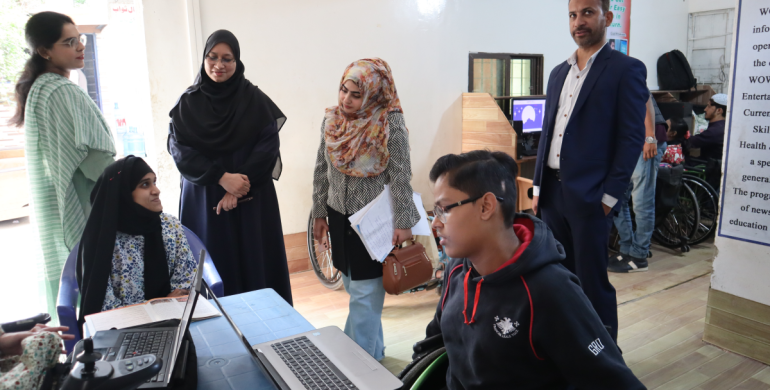
For persons with disabilities, recovery and long-term functional improvement depend on more than medical treatment alone. Rehabilitation therapy requires consistency, ethical practice, professional competence, and above all, trust. In Pakistan, where access to structured rehabilitation services remains uneven, the presence of a trusted NGO in Pakistan plays a defining role in ensuring that rehabilitation therapy is safe, effective, and accessible to those who need it most.
Trust is not built through claims or visibility alone. It is earned through transparency, accountability, and measurable outcomes that improve lives over time.
The Importance of Trust and Transparency in NGOs
Trust is the foundation of any successful rehabilitation program. Families place immense responsibility on NGOs when seeking therapy for children, adults, or elderly persons with disabilities. A trusted NGO in Pakistan maintains credibility by operating with clear processes, open communication, and ethical standards.
Transparency in NGOs includes:
- Clear eligibility and assessment criteria
- Honest communication about services and limitations
- Proper documentation of therapy plans and progress
- Ethical use of donations and funding
- Regular reporting to donors, families, and stakeholders
When families understand how decisions are made and how services are delivered, confidence grows. This trust encourages long-term engagement, which is essential for successful rehabilitation outcomes.
Understanding Rehabilitation Therapy
Rehabilitation therapy is a structured process designed to improve physical, cognitive, and emotional functioning after injury, illness, or congenital conditions. It is not a one-time intervention but a continuous effort that adapts to a person’s changing needs.
Rehabilitation therapy often includes:
- Physiotherapy for mobility, strength, and balance
- Occupational therapy for daily living skills
- Speech and language therapy for communication challenges
- Cognitive and behavioral support when required
A trusted NGO in Pakistan ensures that rehabilitation therapy is personalized rather than generic. Each individual receives care based on thorough assessments, realistic goals, and ongoing review.
Evidence-Based Practices in Rehabilitation Therapy
Quality rehabilitation relies on evidence-based practices rather than assumptions or outdated methods. NGOs that prioritize evidence-based care follow established clinical guidelines and continuously update their approaches based on research and professional training.
Evidence-based rehabilitation therapy includes:
- Individualized treatment plans based on functional assessments
- Measurable goals with defined timelines
- Regular progress evaluations
- Adjustments based on patient response
- Multidisciplinary collaboration among therapists
By using validated techniques, NGOs ensure that therapy sessions are purposeful and outcomes are meaningful. This approach reduces unnecessary interventions and focuses on what genuinely improves functional ability and independence.
Professional Standards and Skilled Therapists
A trusted NGO in Pakistan invests in qualified professionals. Therapists are trained, certified, and experienced in working with diverse disability conditions. Beyond technical skills, they are trained in empathy, communication, and ethical care delivery.
Professional standards include:
- Adherence to clinical protocols
- Respect for patient consent and comfort
- Cultural sensitivity and family engagement
- Clear documentation of therapy sessions
High professional standards ensure that rehabilitation therapy is delivered safely and consistently, protecting both patients and practitioners.
Real-Life Impact Through Patient Success Stories
The true measure of effective rehabilitation lies in real outcomes. Patient success stories reflect how structured therapy can restore function, confidence, and participation in daily life.
One example is Ayesha, a young girl with delayed motor development. Through consistent rehabilitation therapy provided by a trusted NGO in Pakistan, she gradually improved balance and coordination. Today, she attends school independently and participates in classroom activities with confidence.
Another case is Imran, an adult stroke survivor who regained mobility and self-care skills through guided physiotherapy and occupational therapy. His ability to return to work restored not only income but also self-respect and social engagement.
These stories demonstrate that rehabilitation therapy is not just clinical care; it is life rebuilding.
Community Confidence and Long-Term Commitment
Trust grows when NGOs remain committed beyond short-term projects. A trusted NGO in Pakistan focuses on continuity of care, long-term monitoring, and community presence.
Such organizations:
- Maintain long-standing rehabilitation centers
- Offer follow-up services and reassessments
- Provide guidance for home-based exercises
- Support families throughout the rehabilitation journey
This sustained involvement reassures families that they are not alone once therapy begins.
Why Families Choose Trusted NGOs Over Alternatives
Families often face difficult choices when seeking rehabilitation services. Private therapy can be costly, inconsistent, or inaccessible. Public facilities may be overburdened. NGOs bridge this gap by offering reliable, structured, and ethical services.
Families choose a trusted NGO in Pakistan because it offers:
- Affordable or free rehabilitation therapy
- Ethical, patient-focused care
- Transparent processes
- Emotional support alongside clinical services
Trust ensures that families remain engaged, which directly influences therapy success.
Call to Action
Quality rehabilitation therapy requires resources, trained professionals, and community support. A trusted NGO in Pakistan can continue providing life-changing services only with collective participation.
You can support this work by:
- Donating to rehabilitation programs
- Volunteering professional skills or time
- Referring individuals in need
- Sharing awareness within your networks
Every contribution strengthens rehabilitation services and helps individuals with disabilities move toward independence, stability, and dignity.
Conclusion
A trusted NGO in Pakistan is essential for delivering ethical, effective, and consistent rehabilitation therapy. Through transparency, evidence-based practices, professional care, and long-term commitment, such organizations ensure that rehabilitation is not limited to treatment rooms but extends into everyday life.
When trust guides service delivery, rehabilitation becomes more than therapy; it becomes a pathway to restore confidence, participation, and meaningful living for persons with disabilities.


