
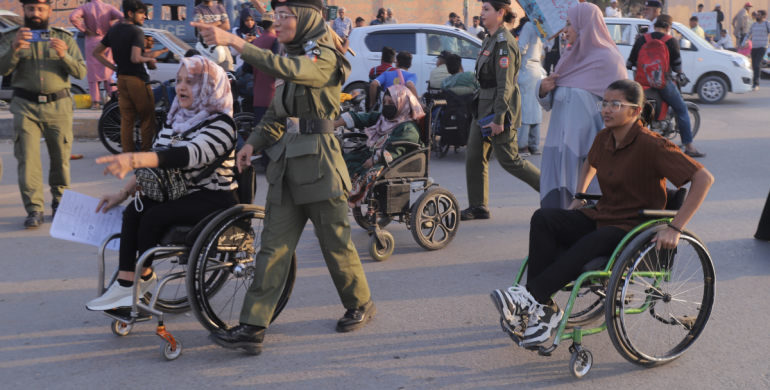
Introduction
Across Pakistan, communities face social, economic, and accessibility challenges that require long-term solutions, not short-term aid. A leading NGO in Pakistan stands out by creating sustainable change, empowering marginalized groups, and building inclusive environments where everyone can participate with dignity. Among the most impactful areas of work is community inclusion, especially for persons with disabilities who often remain excluded from education, employment, and social life.
Through carefully planned community inclusion projects, NGOs help break down barriers, change attitudes, and ensure that persons with disabilities are active contributors to society rather than passive recipients of support.
What Defines a Leading NGO in Pakistan?
Not every organization working for social good becomes a leader. A leading NGO in Pakistan earns that position through trust, results, and consistency. Leadership in the non-profit sector is measured by impact, not popularity.
Key qualities of a leading NGO include:
- A clear mission focused on real community needs
- Transparent governance and responsible use of resources
- Long-term programs with measurable outcomes
- Strong relationships with local communities
- Inclusive planning that involves beneficiaries
Such NGOs do not impose solutions. Instead, they listen, collaborate, and grow alongside the communities they serve.
Why Community Inclusion Matters
Community inclusion means ensuring that every individual regardless of physical, sensory, or intellectual ability can participate fully in social, economic, and civic life. Without inclusion, people with disabilities often face isolation, limited opportunities, and loss of confidence.
Inclusion matters because it:
- Promotes equal access to education and employment
- Reduces social stigma and discrimination
- Strengthens community bonds
- Encourages diversity and shared responsibility
For a leading NGO in Pakistan, inclusion is not an optional activity; it is a core value that guides all programs and policies.
Community Inclusion Projects for Persons With Disabilities
Effective community inclusion projects focus on removing barriers while building skills and confidence. These projects are designed to integrate persons with disabilities into mainstream community life rather than separating them into isolated systems.
Common inclusion-focused initiatives include:
- Accessible community spaces and events
- Disability-friendly schools and learning centres
- Inclusive sports, arts, and cultural programs
- Peer support and mentoring groups
- Community awareness sessions
By creating shared spaces and experiences, NGOs help communities understand that inclusion benefits everyone, not just persons with disabilities.
Education as a Foundation for Inclusion
Education plays a critical role in social inclusion. Many persons with disabilities face barriers such as inaccessible schools, lack of trained teachers, or negative attitudes.
A leading NGO in Pakistan addresses these challenges by:
- Supporting inclusive education models
- Training teachers on disability inclusion
- Providing learning resources and assistive tools
- Encouraging school enrollment and retention
When children with disabilities learn alongside their peers, it builds understanding from an early age and lays the groundwork for a more inclusive society.
Employment and Economic Participation Initiatives
Economic independence is a key aspect of inclusion. Without access to employment, persons with disabilities often remain dependent on family support or charity.
Through community inclusion projects, NGOs promote employment by:
- Offering skill development and vocational training
- Partnering with inclusive employers
- Supporting self-employment and small businesses
- Advocating for workplace accessibility
Employment not only provides income but also restores dignity, confidence, and a sense of purpose.
Social Participation and Community Engagement
Inclusion is not complete without social participation. Persons with disabilities should have opportunities to engage in cultural, recreational, and civic activities.
Leading NGOs encourage participation by:
- Organizing inclusive community events
- Supporting leadership and volunteer roles
- Promoting participation in local decision-making
- Encouraging peer networks and social groups
These activities help individuals feel valued and connected while strengthening overall community cohesion.
NGO Partnerships With Communities
A leading NGO in Pakistan understands that sustainable impact is not possible without partnerships. Collaboration with local communities ensures that programs are culturally appropriate and widely accepted.
Partnerships often involve:
- Community leaders and local councils
- Schools, healthcare providers, and employers
- Faith-based and civic organizations
- Families and carers
By working together, NGOs and communities co-create solutions that are practical, inclusive, and long-lasting.
Measuring Social Impact
Leadership in the NGO sector is reflected through results. A leading NGO in Pakistan regularly measures the impact of its programs to ensure effectiveness and accountability.
Impact measurement includes:
- Tracking participation and outreach numbers
- Monitoring improvements in education and employment
- Collecting feedback from beneficiaries
- Assessing changes in community attitudes
Data-driven evaluation helps NGOs improve programs, demonstrate credibility, and attract further support.
Long-Term Benefits of Community Inclusion
The impact of community inclusion projects extends beyond individuals. Inclusive communities are stronger, more resilient, and better equipped to support diversity.
Long-term benefits include:
- Reduced social inequality
- Increased community cooperation
- Better economic participation
- Improved mental well-being for all members
When persons with disabilities are included, communities become more compassionate, innovative, and united.
Conclusion
A leading NGO in Pakistan is defined by its ability to bring people together and create meaningful, lasting change. Through well-planned community inclusion projects, such organizations ensure that persons with disabilities are not left behind but are active participants in education, employment, and social life.
Inclusion is not just about access; it is about belonging. By supporting inclusive initiatives, communities move closer to a future where everyone has the opportunity to contribute, grow, and thrive.


