
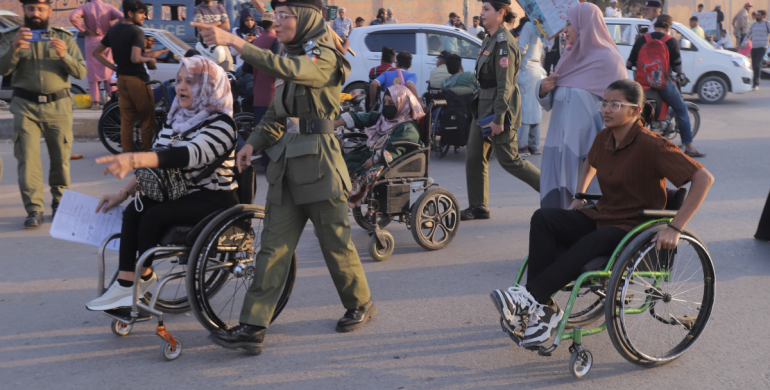
Introduction
In Pakistan, millions of people live with physical disabilities that affect their mobility, independence, and quality of life. For many families, access to basic mobility aids remains a daily struggle due to financial limitations and lack of support systems. A non profit organization in Pakistan plays a critical role in addressing these gaps by providing essential services that empower individuals with disabilities to live with dignity.
One of the most impactful services offered by non-profits is wheelchair donation free programs. These initiatives restore movement, confidence, and independence to individuals who otherwise remain confined to their homes. By focusing on accessibility and inclusion, non-profit organizations are changing lives one wheelchair at a time.
Role of Non-Profit Organizations in Pakistan
Non-profit organizations in Pakistan work at the grassroots level to support communities that are often overlooked. Unlike commercial institutions, their primary goal is social impact rather than profit. A non profit organization in Pakistan typically focuses on:
- Supporting marginalized and vulnerable populations
- Providing healthcare, education, and rehabilitation services
- Promoting disability inclusion and accessibility
- Offering mobility aids and assistive devices
- Advocating for equal rights and social participation
For persons with disabilities, non-profits act as a bridge between need and opportunity. They ensure access to resources that improve daily living and help individuals become active members of society.
Mobility Challenges Faced by Persons with Disabilities
Mobility challenges are among the most significant barriers faced by persons with disabilities in Pakistan. These challenges are often intensified by poverty, lack of infrastructure, and social stigma.
Common mobility-related issues include:
- Limited access to assistive devices
- Inaccessible public spaces and transport
- Dependence on carers for movement
- Social isolation due to restricted mobility
- Physical pain and long-term health complications
Without proper mobility support, individuals struggle to attend school, seek employment, access healthcare, or participate in social life. This leads to emotional stress, financial dependency, and reduced quality of life.
Importance of Wheelchairs for Independence
A wheelchair is more than a mobility aid; it is a gateway to independence. For a person with limited movement, a wheelchair enables freedom, confidence, and control over daily life.
Wheelchairs help individuals:
- Move independently without constant assistance
- Access education, work, and healthcare facilities
- Participate in family and community activities
- Maintain physical health by reducing strain and injury
- Improve mental well-being and self-esteem
For many families, purchasing a wheelchair is financially impossible. This makes wheelchair donation free programs an essential service provided by non-profit organizations.
Free Wheelchair Donation Programs
Free wheelchair donation programs are designed to support individuals who cannot afford mobility aids on their own. A responsible non profit organization in Pakistan ensures that these programs are ethical, transparent, and focused on real needs.
These programs aim to:
- Provide quality wheelchairs at no cost
- Reach low-income families and remote communities
- Match wheelchairs according to individual needs
- Ensure dignity and respect during the distribution process
By removing financial barriers, non-profit organizations give persons with disabilities the opportunity to regain control over their lives.
Eligibility for Free Wheelchair Donation
To ensure fairness and effective use of resources, non-profits follow clear eligibility criteria for wheelchair donation programs. While criteria may vary, common requirements include:
- Proof of disability or medical recommendation
- Low-income or financially vulnerable status
- Inability to afford a wheelchair independently
- Resident of the targeted service area
Priority is often given to children, elderly individuals, women, and those with severe mobility limitations.
Wheelchair Distribution Process
An organized and transparent distribution process ensures that wheelchairs reach the right people. A typical process followed by a non profit organization in Pakistan includes:
- Application Submission
Individuals or families submit a request through the NGO or local partner. - Assessment & Verification
Medical or mobility assessments help determine the type of wheelchair required. - Approval & Allocation
Eligible applicants are approved based on need and availability. - Distribution & Training
Wheelchairs are distributed along with guidance on proper usage and maintenance. - Follow-Up Support
Some organizations provide follow-up visits to ensure comfort and usability.
This structured approach ensures dignity, safety, and long-term benefit for recipients.
Impact on Mobility and Quality of Life
The impact of receiving a wheelchair goes far beyond physical movement. It transforms every aspect of a person’s life.
Positive outcomes include:
- Increased independence in daily activities
- Improved access to education and employment
- Reduced reliance on carers
- Enhanced confidence and self-worth
- Greater participation in social and community life
Families also benefit as caregiving responsibilities reduce, allowing carers to pursue work or education opportunities.
Community-Level Benefits
Free wheelchair donation programs also create positive change at the community level. When mobility barriers are removed:
- Communities become more inclusive
- Awareness about disability rights increases
- Social stigma begins to decrease
- Public participation of persons with disabilities improves
- Inclusive development becomes achievable
A non profit organization in Pakistan that prioritizes mobility support contributes directly to long-term social inclusion.
Sustainability and Ethical Responsibility
Responsible non-profits focus on sustainability rather than one-time aid. Ethical wheelchair donation programs emphasize:
- Quality and durability of wheelchairs
- Proper assessment before distribution
- Training and awareness for users
- Long-term mobility support solutions
This approach ensures that assistance creates lasting impact rather than temporary relief.
Conclusion
A non profit organization in Pakistan plays a vital role in empowering persons with disabilities by addressing one of their most basic needs: mobility. Through wheelchair donation free programs, non-profits restore independence, dignity, and opportunity to individuals who would otherwise remain excluded from society.
Wheelchairs open doors to education, employment, healthcare, and social connection. When mobility is supported, lives are transformed, families are strengthened, and communities move closer to inclusion.


