
Introduction
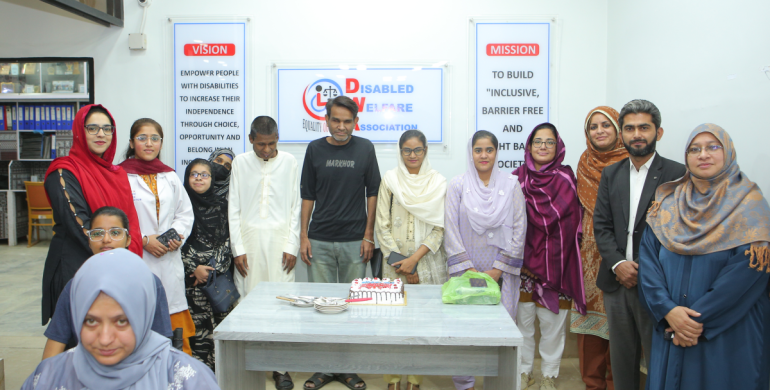
In Pakistan, social challenges such as limited access to education, healthcare, and employment opportunities disproportionately affect persons with disabilities. A social welfare NGO in Pakistan plays a pivotal role in addressing these gaps, providing resources, mentorship, and programs that empower marginalized communities. Among the most transformative initiatives is youth leadership training for the disabled, which aims to equip young individuals with disabilities with the confidence, skills, and guidance needed to become active contributors to society.
By focusing on leadership development, these NGOs not only nurture the potential of disabled youth but also create ripple effects that strengthen communities and promote social inclusion.
Role of Social Welfare NGOs in Pakistan
Social welfare NGOs in Pakistan fill critical gaps that government and private systems sometimes fail to address. They:
- Provide non-profit services Pakistan that promote education, healthcare, and social equity
- Advocate for rights of persons with disabilities, ensuring policy and accessibility reforms
- Organize skill-building programs, vocational training, and empowerment workshops
A social welfare NGO Pakistan is not just a service provider; it is a catalyst for societal change, helping young individuals with disabilities overcome barriers, gain confidence, and contribute meaningfully to their communities.
Importance of Youth Leadership Among Persons with Disabilities
Youth leadership is essential for building a more inclusive society. For disabled youth, leadership programs:
- Develop critical life skills, including communication, problem-solving, and decision-making
- Build confidence to express opinions, advocate for rights, and engage in community initiatives
- Promote independence, self-reliance, and a sense of responsibility
- Inspire peers and younger generations to pursue education and skill development
By nurturing leadership, NGOs ensure that disabled youth are not passive recipients of aid but active participants shaping their futures and driving community progress.
Challenges Faced by Disabled Youth in Leadership Development
Despite their potential, disabled youth face multiple challenges that limit access to leadership opportunities:
- Societal Stigma: Preconceived notions about disabilities can discourage participation and recognition.
- Limited Access to Resources: Educational and training programs often lack accommodations for disabled individuals.
- Communication Barriers: Physical, cognitive, or sensory impairments may restrict interaction and self-expression.
- Economic Constraints: Many families struggle to support leadership training participation due to financial limitations.
Addressing these challenges requires structured programs, mentorship, and inclusive initiatives led by committed organizations.
Youth Leadership Training Programs for Disabled Individuals
To overcome these barriers, youth leadership training and disabled initiatives focus on holistic skill development. Key components of such programs include:
- Workshops and Seminars: Interactive sessions on leadership principles, teamwork, and problem-solving
- Mentorship Programs: Guidance from experienced leaders and peers to nurture personal growth
- Community Projects: Hands-on initiatives to apply leadership skills in real-world settings
- Inclusive Activities: Events designed to ensure participation from individuals with diverse abilities
Through these programs, disabled youth gain practical exposure to leadership roles while learning to navigate societal and personal challenges effectively.
Skills Developed Through Leadership Programs
Participation in youth leadership training equips disabled individuals with a wide range of essential skills:
- Communication: Enhancing verbal, non-verbal, and digital communication for effective interaction.
- Confidence: Building self-esteem to take initiative, speak publicly, and advocate for themselves.
- Decision-Making: Learning to analyze situations, consider alternatives, and make informed choices.
- Teamwork and Collaboration: Working with peers to achieve shared goals and community impact.
- Problem-Solving: Applying creative solutions to overcome challenges in personal and social contexts.
These skills are not only beneficial for personal development but also crucial for leadership roles in community, education, and future employment opportunities.
NGO-Led Leadership Initiatives in Pakistan
Several social welfare NGO Pakistan initiatives have successfully implemented youth leadership programs for disabled individuals:
- Workshops and Training Camps: Focused on practical leadership exercises and confidence-building.
- Peer Mentoring Programs: Pairing young leaders with experienced mentors for guidance and skill refinement.
- Community Engagement Projects: Encouraging participation in local development initiatives to apply leadership skills.
- Recognition and Awards: Celebrating achievements to inspire continued growth and societal participation.
These NGO-led programs foster empowerment, giving disabled youth the tools to challenge stereotypes, take on responsibilities, and inspire others in their communities.
Long-Term Impact on Community and Society
Investing in youth leadership training for disabled individuals produces measurable benefits for both communities and society at large:
- Increased Social Inclusion: Youth leaders advocate for accessibility, equality, and rights awareness.
- Enhanced Economic Participation: Leadership skills translate into employability, entrepreneurship, and vocational engagement.
- Community Role Models: Trained youth inspire peers, promoting a culture of empowerment and advocacy.
- Policy Influence: Empowered individuals can participate in policymaking or advisory roles to benefit marginalized groups.
The long-term impact extends beyond individual growth, fostering inclusive communities where disabled individuals are active, recognized, and respected members of society.
How You Can Support or Join the Program
Everyone can contribute to youth leadership initiatives for disabled individuals:
- Donate: Financial contributions support training programs, workshops, and mentorship opportunities.
- Volunteer: Offer your skills, time, or expertise to guide and mentor participants.
- Spread Awareness: Share program information within your networks to encourage participation and advocacy.
- Collaborate: Partner with NGOs to expand program reach and implement inclusive strategies.
By participating, you help create opportunities for disabled youth to thrive, lead, and transform their communities.
Conclusion
A social welfare NGO in Pakistan plays an instrumental role in empowering disabled youth through youth leadership training and disabled initiatives. By fostering communication, confidence, decision-making, and community engagement, these programs create leaders who can shape their own futures and inspire societal change. Supporting such initiatives ensures that every young individual, regardless of ability, has the chance to contribute meaningfully and build a more inclusive Pakistan.
Call to Action:
Join our mission today, support youth leadership programs and help disabled individuals realise their potential as leaders and changemakers in society.


