
Introduction
Persons with disabilities often face multiple challenges in education, employment, healthcare, and social participation. Limited access to resources, financial constraints, and inaccessible environments can restrict opportunities and independence. In this context, free support for PWDs plays a crucial role in improving quality of life and promoting equal participation in society. These support services aim to remove barriers and provide individuals with the tools they need to thrive.
At the same time, workplaces must evolve to become inclusive and accessible. An accessible workplace assessment helps organizations identify physical, structural, and procedural barriers that may prevent employees with disabilities from performing at their best. When free support for PWDs is combined with accessible workplace assessment practices, the result is a more inclusive, productive, and respectful work environment.
This article explores the importance of free support programs for persons with disabilities, the role of accessible workplace assessment, and how both employees and employers benefit from inclusive practices.
Understanding Free Support Programs for PWDs
Free support for PWDs refers to services and resources provided at no cost to assist persons with disabilities in leading independent and dignified lives. These programs are often offered by non-profit organizations, NGOs, community groups, and sometimes through government or corporate social responsibility initiatives.
The purpose of free support for PWDs is to reduce inequality and ensure that financial limitations do not prevent individuals from accessing essential services. Support may include healthcare assistance, rehabilitation services, counseling, skill development, assistive devices, and employment guidance. Many persons with disabilities are capable and motivated but lack access to resources. Free support programs help bridge this gap by focusing on empowerment rather than dependency. They aim to build confidence, skills, and independence so that individuals can actively participate in society.
Types of Free Support for PWDs
Free support for PWDs covers a wide range of services designed to address different needs. Healthcare support often includes basic medical consultations, physiotherapy, occupational therapy, and mental health counseling. These services help manage physical conditions, improve mobility, and support emotional well-being. Educational support is another important area. Free training programs, literacy classes, and digital skill development initiatives enable persons with disabilities to pursue education and employment opportunities. Some programs also provide career counseling and job placement assistance.
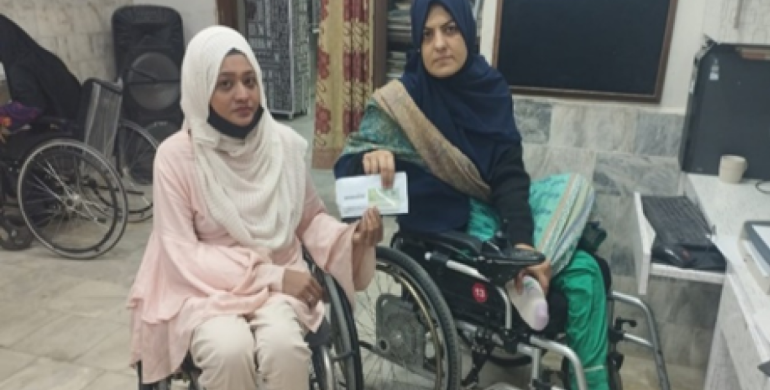
Assistive devices and mobility aids are frequently included in free support for PWDs. Wheelchairs, hearing aids, walking aids, and adaptive tools help individuals perform daily tasks more independently. Social and legal support is also part of many programs. Guidance on disability rights, workplace inclusion, and access to public services empowers individuals to advocate for themselves. When these services are delivered consistently and respectfully, free support for PWDs can create long-term positive outcomes.
What Is an Accessible Workplace Assessment
An accessible workplace assessment examines different aspects of the work environment to ensure it meets the needs of employees with disabilities. This includes physical access, such as entrances, ramps, washrooms, elevators, and workstations. The assessment also considers internal movement, signage, lighting, and emergency procedures. For individuals with sensory or cognitive disabilities, communication methods, visual aids, and noise levels may be evaluated.
Policies and procedures are another key component. An accessible workplace assessment reviews recruitment practices, reasonable accommodations, flexible work arrangements, and support systems within the organization. By identifying gaps and recommending practical solutions, accessible workplace assessment helps organizations build environments where all employees can perform effectively.
Linking Free Support for PWDs with Workplace Accessibility
Free support for PWDs and accessible workplace assessment are closely connected. Many individuals receive training, rehabilitation, or assistive devices through free support programs and then seek employment in inclusive workplaces.
When workplaces conduct accessible workplace assessment, they create opportunities for individuals who have benefited from free support for PWDs to apply their skills and contribute meaningfully.
Organizations that collaborate with NGOs and support programs often see better outcomes. Free support services can prepare individuals for work, while accessible workplace assessment ensures that the work environment supports their needs.
Benefits for Employees with Disabilities
For employees with disabilities, free support for PWDs provides the foundation for personal and professional growth. Access to healthcare, training, and assistive tools improves confidence and capability. When combined with accessible workplace assessment, these benefits multiply. Employees feel valued when their workplace acknowledges their needs and removes barriers.
Accessible environments reduce physical strain, prevent injuries, and improve productivity. Clear communication and supportive policies help employees focus on their work rather than on overcoming obstacles. Inclusive workplaces also support mental well-being. Employees who feel accepted and supported are more engaged, motivated, and loyal to their organizations.
Benefits for Employers and Organizations
Employers also gain significantly from investing in accessibility and supporting free support for PWDs initiatives. An accessible workplace assessment helps organizations identify inefficiencies and improve overall workplace design. Inclusive workplaces attract diverse talent and enhance organizational reputation. Companies that support free support for PWDs and accessibility initiatives are often viewed as socially responsible and forward-thinking.
Productivity improves when employees can work comfortably and safely. Reduced absenteeism, higher morale, and better teamwork are common outcomes of inclusive practices. Accessible workplace assessment also helps organizations comply with legal and ethical standards related to disability inclusion, reducing the risk of discrimination claims.
Implementing Free Support and Accessibility Initiatives
Successful implementation of free support for PWDs and accessible workplace assessment requires planning and commitment. Organizations should start by building awareness and understanding of disability inclusion. Partnering with experienced NGOs or accessibility professionals can provide valuable guidance. These partners often have expertise in assessments, training, and support services.
Regular accessible workplace assessment ensures that improvements are maintained and updated as needs evolve. Accessibility should be seen as an ongoing process rather than a one-time effort. Employers should also encourage feedback from employees with disabilities. Their lived experiences provide insights that assessments alone may not capture.
Conclusion
Free support for PWDs is essential for empowering persons with disabilities and enabling them to lead independent and fulfilling lives. These programs provide critical services that reduce barriers and build capacity. An accessible workplace assessment ensures that employment environments are inclusive, safe, and supportive. When workplaces remove barriers, they unlock the potential of a diverse workforce. Together, free support for PWDs and accessible workplace assessment create pathways to inclusion, productivity, and dignity. By investing in these initiatives, organizations and communities contribute to a more equitable and inclusive society where everyone has the opportunity to succeed.


