
Introduction
Cerebral palsy is a condition that affects movement, posture, and muscle coordination. It can make everyday activities such as walking, sitting, speaking, or using hands more challenging. While cerebral palsy is a lifelong condition, the right support can greatly improve quality of life. One of the most important supports is cerebral palsy physiotherapy, which helps individuals improve mobility, strength, and independence.
Alongside therapy, disability programs play a key role in supporting people with cerebral palsy and their families. These programs provide access to healthcare, education, assistive devices, training, and community inclusion. When cerebral palsy physiotherapy is combined with strong disability programs, individuals receive not only physical support but also social, emotional, and practical assistance. This blog explains cerebral palsy, the role of physiotherapy, how disability programs support individuals, and why a combined approach leads to better outcomes.
Understanding Cerebral Palsy
Cerebral palsy is a neurological condition caused by damage to the developing brain, usually before birth or in early childhood. It affects how the brain controls muscles and movement. Cerebral palsy does not get worse over time, but its effects can change as a person grows. There are different types of cerebral palsy, and each person experiences it differently. Some individuals may have stiff muscles, others may have weak muscle control or involuntary movements. Some may need mobility aids, while others can walk independently with some difficulty.
Because cerebral palsy affects each person differently, treatment and support must be personalized. Cerebral palsy physiotherapy focuses on individual abilities and challenges, while disability programs ensure that long-term support systems are in place. Understanding cerebral palsy is the first step toward providing effective care, inclusion, and empowerment.
Importance of Cerebral Palsy Physiotherapy
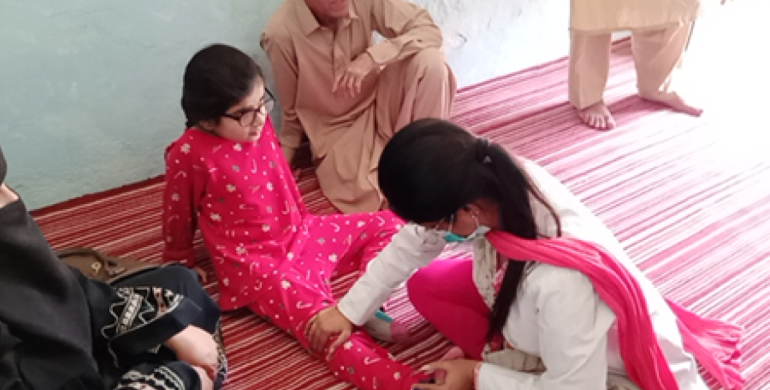
Cerebral palsy physiotherapy is one of the most effective ways to support physical development and independence. Physiotherapy helps individuals improve movement patterns, muscle strength, balance, and coordination. For children with cerebral palsy, early physiotherapy is especially important. It supports proper muscle development, prevents joint problems, and encourages functional movement. Regular therapy helps children learn skills such as sitting, standing, and walking more comfortably.
For adults, cerebral palsy physiotherapy helps manage muscle stiffness, pain, and fatigue. It supports long-term mobility and reduces the risk of secondary complications such as joint damage or poor posture. Cerebral palsy physiotherapy also improves confidence. When individuals gain better control over their bodies, they feel more capable and motivated to participate in school, work, and social activities.
Physiotherapy Techniques Used for Cerebral Palsy
Different techniques are used in cerebral palsy physiotherapy depending on age, ability, and goals. Therapists design personalized plans that focus on long-term progress. Stretching exercises are used to reduce muscle tightness and improve flexibility. These exercises help prevent contractures and joint stiffness, which are common in cerebral palsy. Strengthening exercises help improve muscle control and endurance. Stronger muscles support better posture and movement.
Balance and coordination activities are used to improve stability and reduce the risk of falls. These exercises help individuals feel safer when moving independently. Functional training focuses on everyday activities such as walking, climbing stairs, or reaching for objects. This makes therapy practical and directly useful in daily life. Cerebral palsy physiotherapy may also involve the use of assistive devices such as braces, walkers, or wheelchairs. Proper use of these devices supports independence and comfort.
Role of Disability Programs in Cerebral Palsy Support
While physiotherapy focuses on physical abilities, disability programs provide broader support that addresses education, healthcare, employment, and social inclusion. Disability programs often help families access cerebral palsy physiotherapy services, especially for those who cannot afford private care. These programs may offer free or subsidized therapy sessions, community clinics, or referral services.
Many disability programs also provide assistive devices such as wheelchairs, orthotic supports, or communication aids. These tools work alongside physiotherapy to improve daily functioning. Education is another key area. Disability programs support inclusive education by working with schools to accommodate children with cerebral palsy. This ensures that therapy goals align with learning and participation.
For adults, disability programs may include vocational training, employment support, and independent living services. These programs help individuals use the physical gains from cerebral palsy physiotherapy in real-life settings.
Community and Family Support Through Disability Programs
Disability programs also focus on supporting families and caregivers. Caring for a person with cerebral palsy can be physically and emotionally demanding. Many disability programs offer caregiver training, counseling, and peer support groups. These services help families understand therapy goals, manage daily challenges, and reduce stress. Community-based disability programs create opportunities for social interaction and inclusion. Group activities, awareness campaigns, and inclusive events reduce isolation and build confidence. When families and communities are involved, cerebral palsy physiotherapy becomes more effective. Consistent support at home and in society reinforces therapy progress.
Success Stories of Combined Support
The impact of cerebral palsy physiotherapy and disability programs is best seen in real-life success stories. One example is a child with mobility challenges who received regular physiotherapy through a local disability program. Along with therapy, the program provided assistive devices and school support. Over time, the child improved balance, gained confidence, and actively participated in classroom activities.
Another story involves a young adult with cerebral palsy who benefited from physiotherapy and vocational training through disability programs. Improved mobility helped them travel independently, while job training led to meaningful employment. These stories show that therapy alone is not enough. Disability programs create pathways for long-term inclusion and independence.
Tips for Caregivers Supporting Physiotherapy
Caregivers play a vital role in the success of cerebral palsy physiotherapy. Consistency and encouragement make a big difference. Following the therapist’s guidance at home helps maintain progress. Simple daily exercises can support strength and flexibility. Creating a positive environment is important. Celebrating small improvements keeps individuals motivated and confident. Caregivers should also connect with disability programs for additional support. These programs can provide resources, training, and emotional assistance. Taking care of personal well-being is equally important. Caregivers who feel supported are better able to support others.
Challenges and the Need for Awareness
Despite the benefits, access to cerebral palsy physiotherapy and disability programs remains limited in many areas. Financial constraints, lack of trained professionals, and limited awareness are common challenges. Some families are not aware of available disability programs or how to access therapy services. Awareness campaigns and community outreach can help bridge this gap.
Governments, NGOs, and healthcare providers must work together to expand services and ensure affordability. Early intervention and continuous support should be priorities. Raising awareness about cerebral palsy physiotherapy and disability programs helps reduce stigma and encourages inclusion.
Conclusion
Cerebral palsy physiotherapy and disability programs are both essential for supporting individuals with cerebral palsy. Physiotherapy improves movement, strength, and independence, while disability programs provide the social, educational, and practical support needed for long-term inclusion. Together, they create opportunities for individuals to live fuller, more independent lives. With the right therapy, supportive programs, and community understanding, people with cerebral palsy can thrive with dignity and confidence. Investing in cerebral palsy physiotherapy and disability programs is an investment in inclusion, empowerment, and a more equal society.


